The Urgent Call for Biodiversity Conservation in Jandía Peninsula
The Asociación para la Conservación de la Biodiversidad Canaria (ACBC) has recently raised alarms regarding the state of conservation in the Jandía Peninsula on Fuerteventura Island. This region, known for its unique natural features, is in dire need of enhanced protective measures to safeguard its rich plant biodiversity. The ACBC has reached out to the Cabildo, emphasizing the urgent necessity for action.
A Threatened Natural Paradise
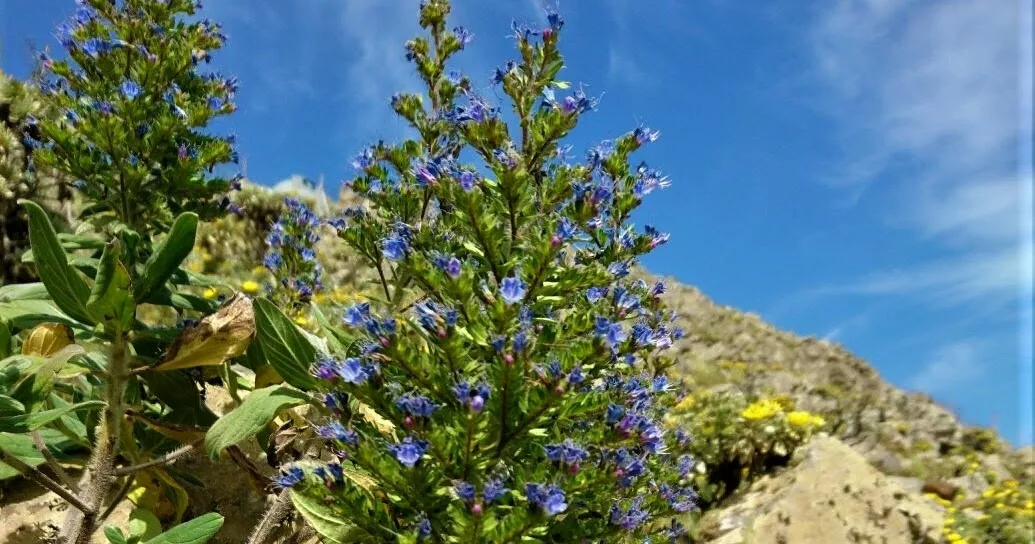
Jandía, located at the southernmost tip of Fuerteventura, is a captivating landscape characterized by arid desert scenery, pristine beaches, vast dune fields, and rugged cliffs. These striking features provide a habitat for a variety of plant species, many of which are exclusive to this area and cannot be found elsewhere. Among these are the rare cardón, margarita, tajinaste, cañaheja, bientequiero, and tabaira. However, the survival of these plants is increasingly at risk due to several threats.
Pressures from Wildlife and Tourism
The ACBC highlights that the primary threats to the Jandía ecosystem come from free-roaming livestock, burgeoning tourism, and the impacts of climate change. The historical degradation of local vegetation is largely attributed to feral goats and rabbits, which have devastated the native flora. These animals have access to large swaths of land, significantly hindering the natural regeneration processes of many endangered species.
The Role of Natural Barriers
In the past, efforts such as fencing were instituted to protect vulnerable zones within Jandía. However, these measures have fallen short due to a lack of ongoing maintenance. Consequently, livestock can now easily penetrate sensitive areas, further complicating recovery efforts for the native vegetation. The ACBC argues that a renewed focus on maintenance and protection is vital to rehabilitating these ecosystems.
A Strategic Approach to Restoration
In their statement, the ACBC urges the need for a comprehensive and intelligent conservation strategy that harnesses available resources effectively. They emphasize that viable measures can be implemented without necessitating large financial investments. What is required instead is meticulous planning, collaborative efforts, and increased human resources dedicated to conservation.
Prioritized Actions for Biodiversity
Among the crucial steps proposed by the ACBC is the bolstering of populations for the most threatened plant species. This involves cultivating and reintroducing plants that are on the brink of extinction. The association suggests commencing efforts to propagate all endangered taxa endemic to this region, aiming to prepare healthy specimens for future planting in their natural environments.
A Call for Collective Action
The ACBC’s call to action resonates with the collective responsibility of individuals, organizations, and local authorities to protect the Jandía Peninsula. The protection of its biodiversity is not just an ecological concern; it reflects a commitment to preserve the cultural and natural heritage that holds intrinsic value for both locals and visitors alike. Embracing a proactive stance towards restoration and conservation is imperative for ensuring the longevity of this unique environment.
By highlighting the dire state of biodiversity in the Jandía Peninsula, the ACBC has opened up a dialogue around conservation efforts that are sorely needed. Now, it falls on various stakeholders to heed this warning and act decisively.