Fuerteventura Celebrates Día de Canarias: A Festive Extravaganza
On May 30th, Fuerteventura comes alive in celebration of Día de Canarias, showcasing a vibrant tapestry of cultural activities, festive events, and traditional customs. The festivities span several days and encompass the entire island, reflecting a rich heritage that unites locals and visitors alike.
Traditional Dance and Music
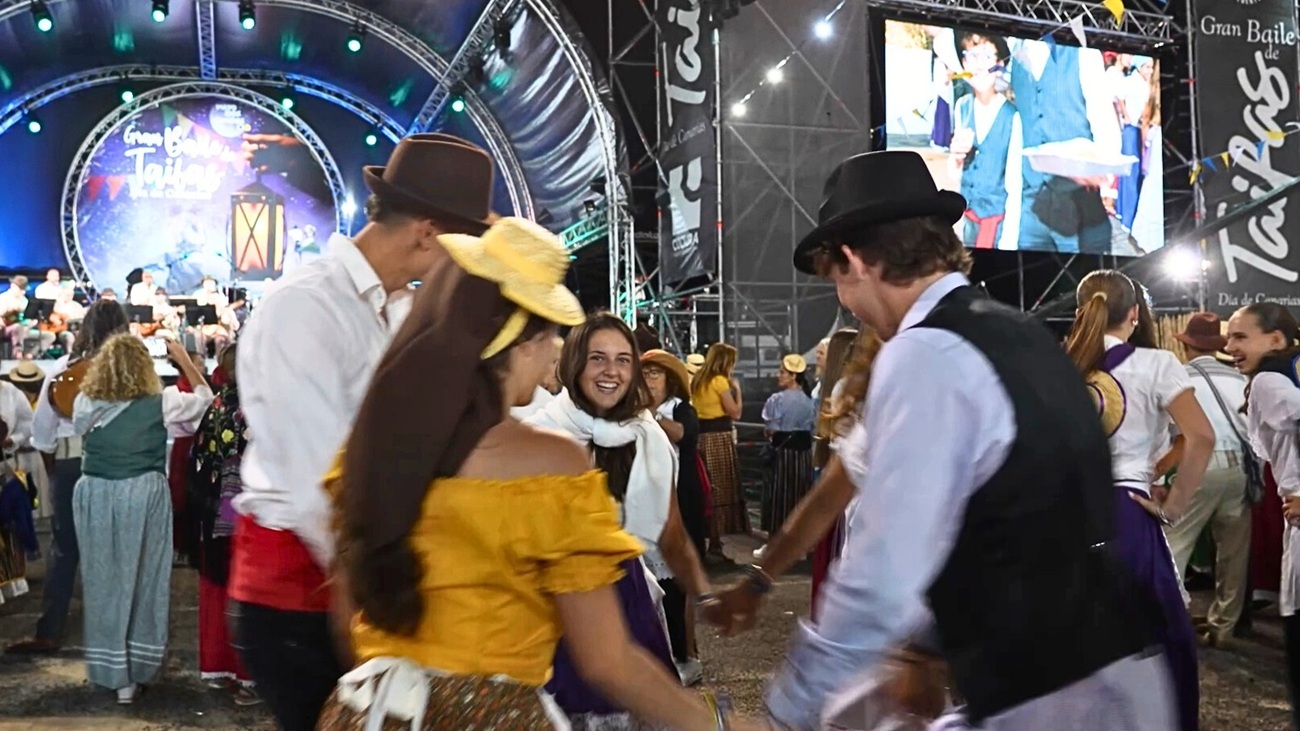
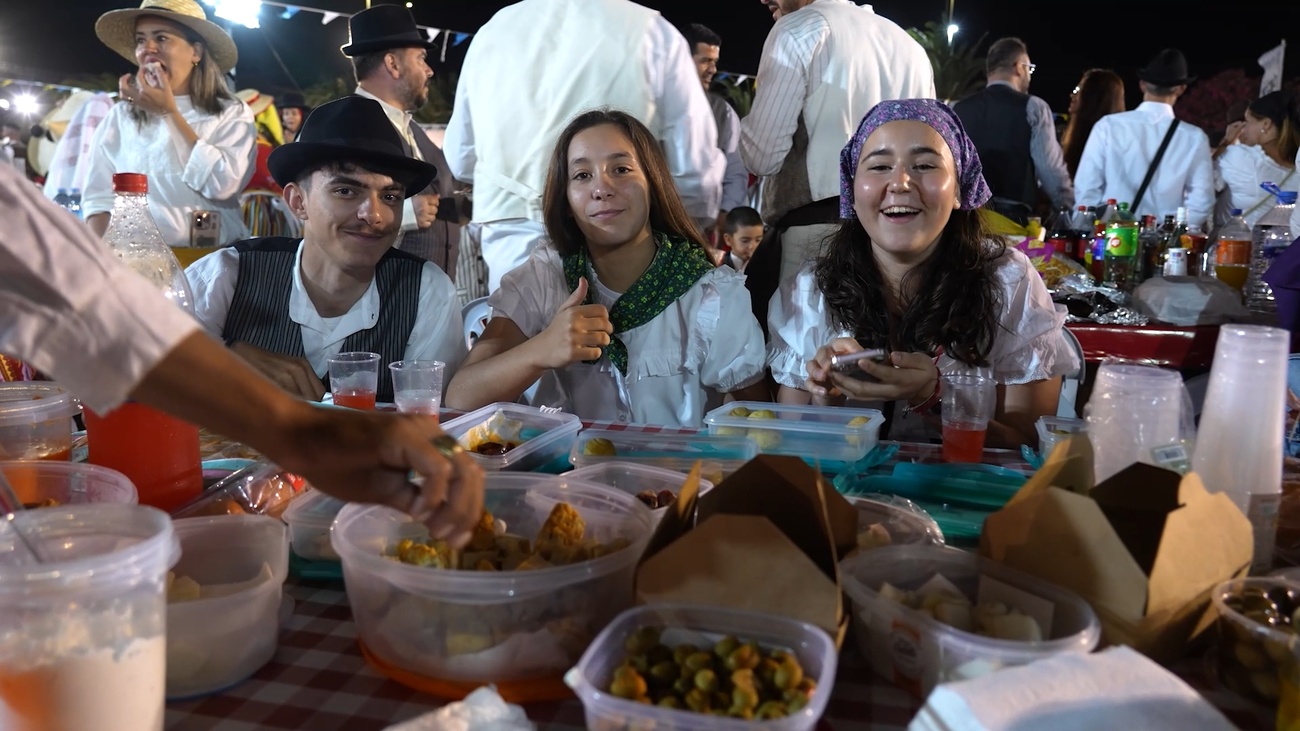
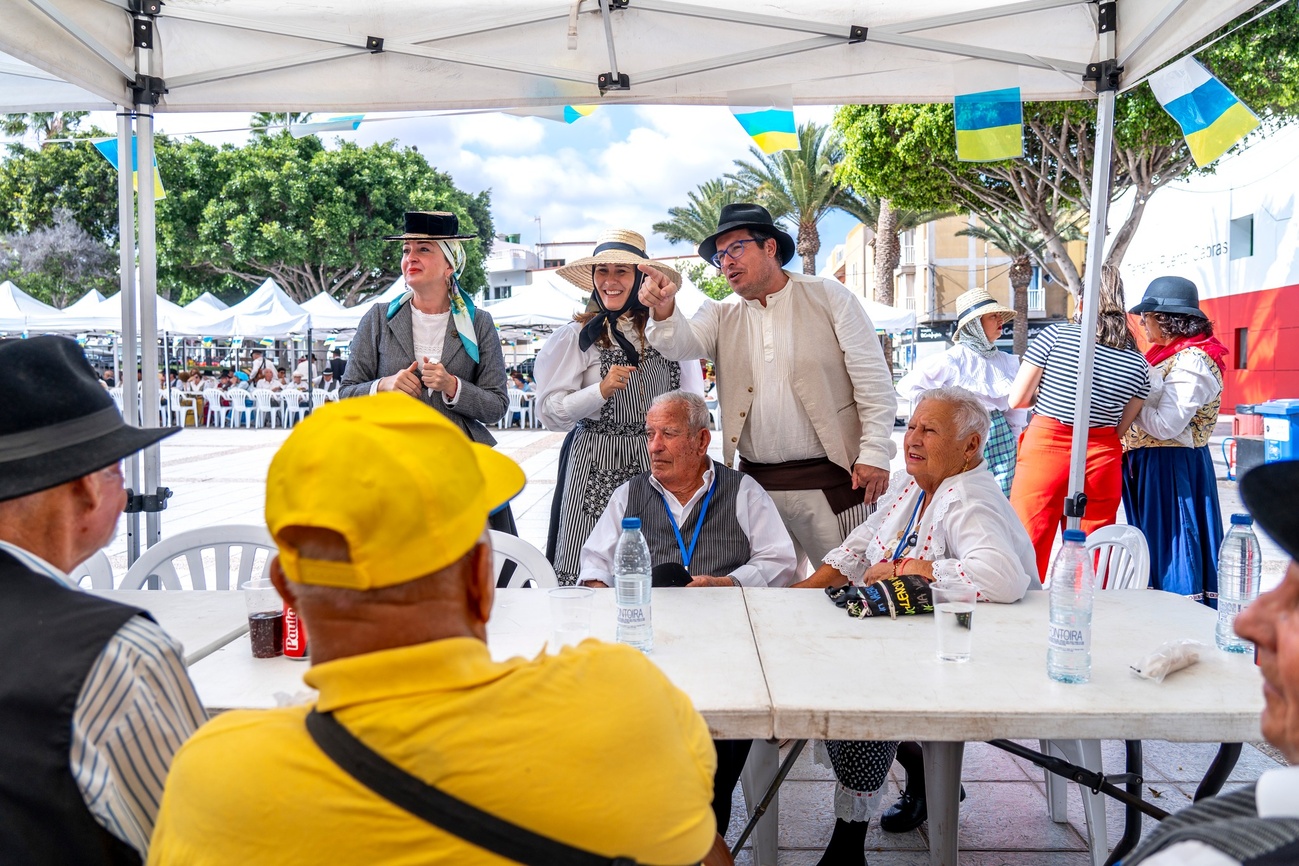
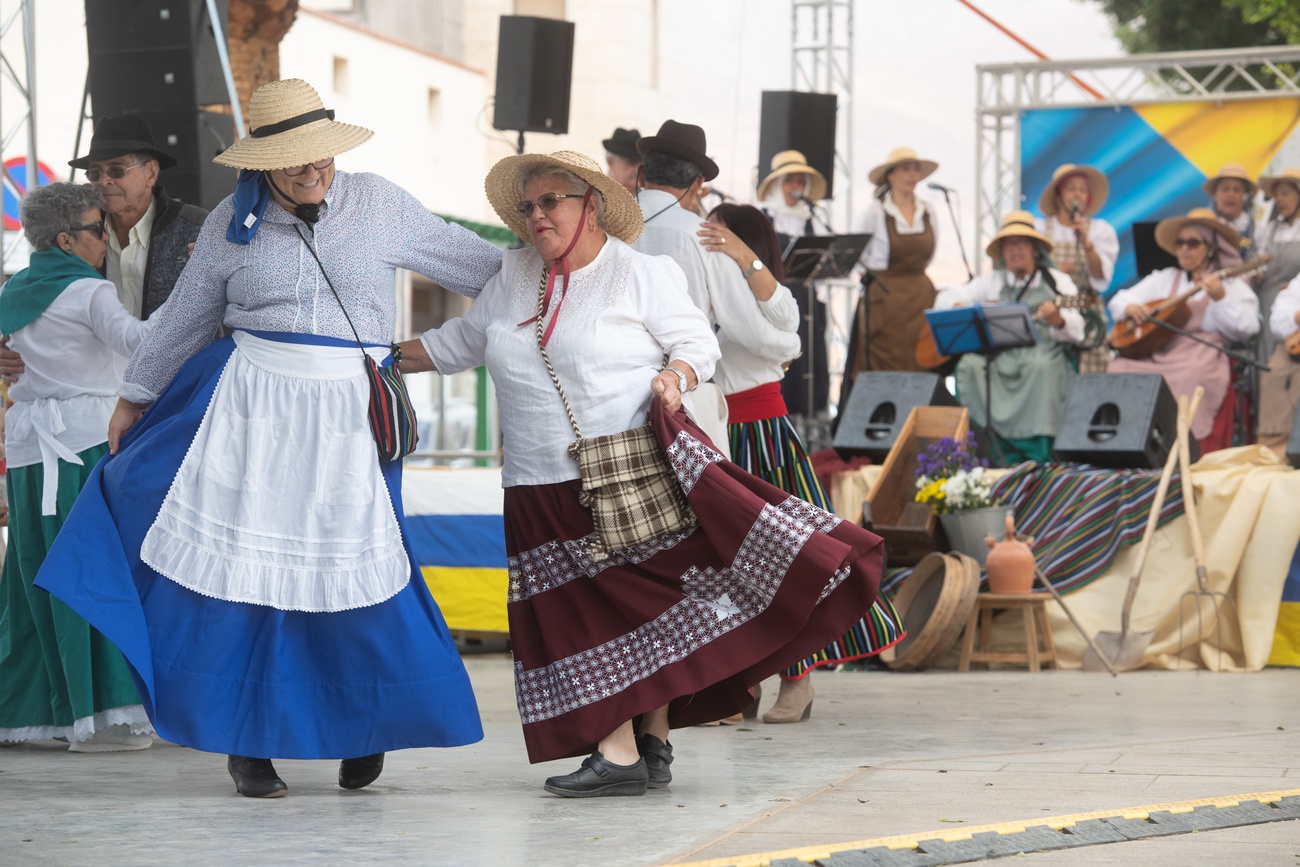
One of the highlights of the celebration is the Gran Baile de Taifas, which takes place in the fairgrounds of Puerto del Rosario. This year’s event saw thousands dressed in traditional attire, filling the venue with lively energy. Over 400 tables set the scene, complemented by expansive dance areas and a delectable offering of Canarian cuisine. The event featured performances from various folk groups, including El Pavón from Lanzarote and La Trova from Gran Canaria. A panel of experts even awarded prizes for the best traditional costumes, adding an element of competition to the festivities.
La Oliva’s Cultural Hub
In La Oliva, the Semana de Canarias garnered attention with numerous activities at cultural centers and bustling markets. The Enyesque Commercial in Corralejo transformed the Avenida Nuestra Señora del Carmen into a vibrant hub of music, flavors, and culture. From cooking demonstrations to sports tournaments, the events were designed to engage the community, creating a true festival atmosphere.
Friday culminated in an exciting finale, featuring performances, traditional food tastings, and even a sailing regatta in the harbor, exemplifying the spirit of community that characterizes the celebrations.
Pájara’s Doubling of Tradition
Pájara opted for a two-day celebration, kicking off with festive music and folk group performances on May 29th. The Plaza de los Pescadores became a focal point, drawing crowds who donned traditional outfits to enjoy the lively atmosphere. On May 30th, the celebrations continued at Plaza de Nuestra Señora de Regla, featuring local musical acts such as El Golpito and La Cebada, fostering a sense of community spirit through shared meals and cultural activities.
Puerto del Rosario: A Cultural Journey
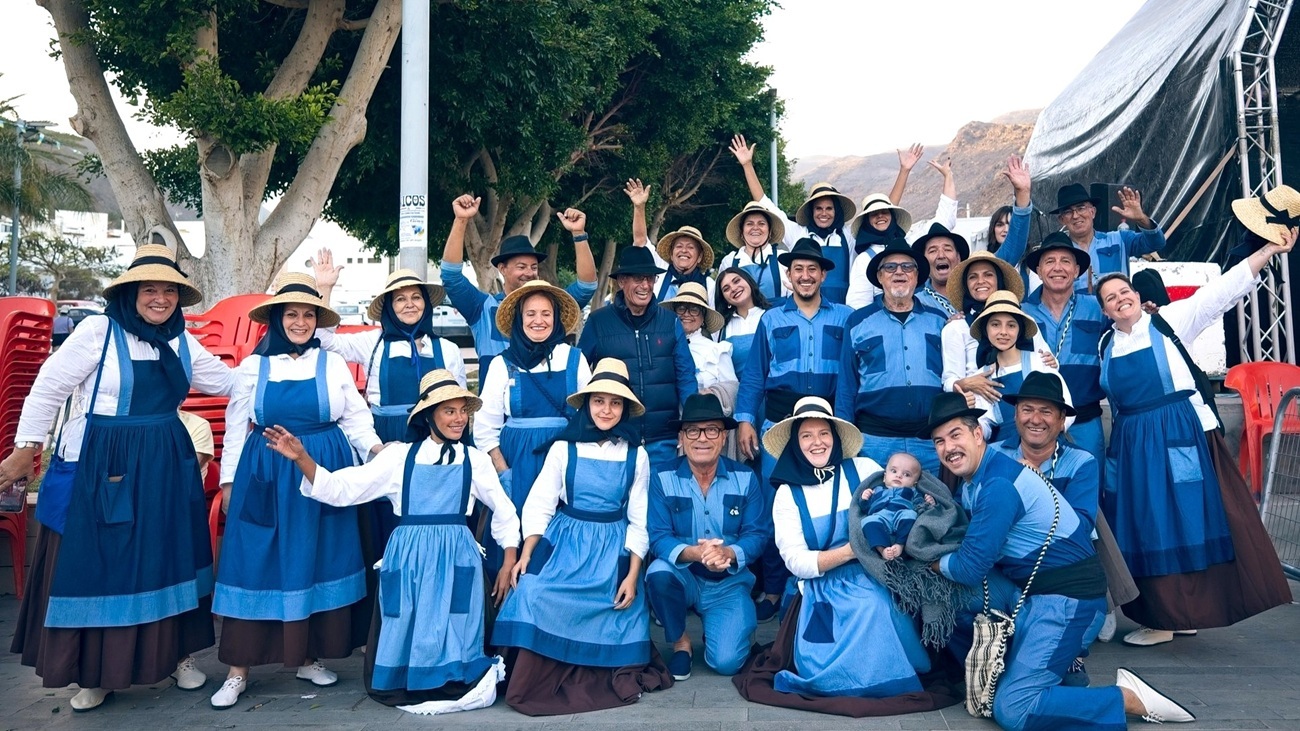
The capital municipality has crafted a program that penetrates various neighborhoods, bringing Canarian traditions to the forefront. The Encuentro de Mayores on May 27th gathered seniors from across the island in the Plaza de la Paz, offering a day of music and shared remembrances. Other events, like the Saborea Puerto del Rosario culinary showcase, spotlighted local products and promoted a sustainable economy while encouraging community bonding through shared meals.
Tuineje: Celebrating Local Heroes
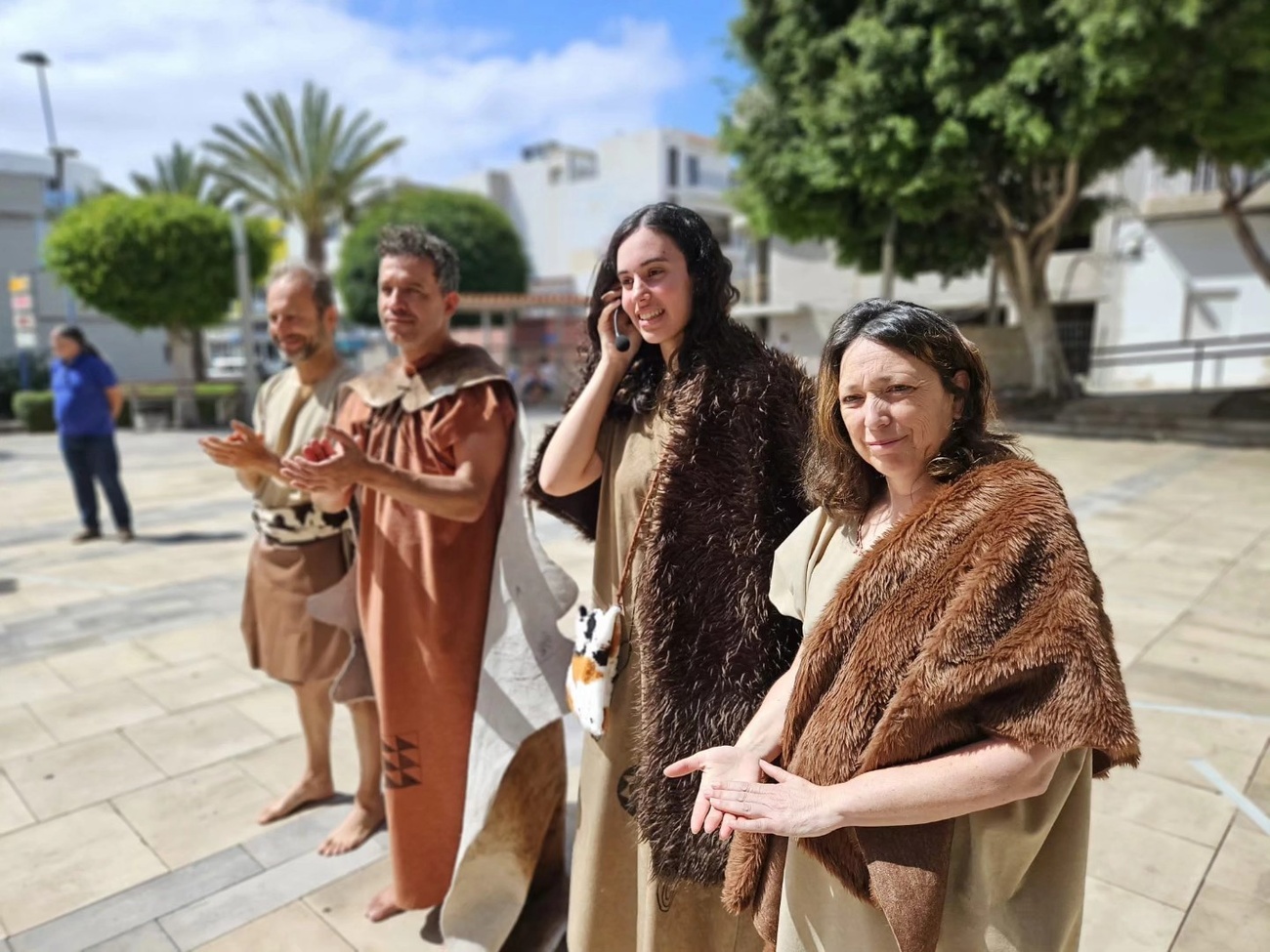
In Gran Tarajal, the celebrations blend nostalgia and fun with a dual program. The morning began with “Pequeña Canarias,” hosting children’s workshops, storytelling, traditional music, and local wrestling. As the evening approached, visitors enjoyed performances from groups like Parranda del Muelle Nuevo and El Son de Antaño, culminating in a live award ceremony for the esteemed collective, “Más Ruines que Caín.”
Antigua: From Tourist Spots to Village Squares
Antigua’s celebration takes place in the village square, where a Baile de Taifas unfolds, featuring performances by local artists. This event brings families and community members together to enjoy typical dishes and traditional music. Earlier in the week, Caleta de Fuste hosted a successful showcase of Canarian customs, including traditional food and folklore demonstrations, ensuring the island’s culture remains alive and well.
Betancuria: A Festive Gathering
Today, the plaza de Santa María de Betancuria hosts a festive event featuring performances from the folkloric group Morro de la Cruz and Parranda La Serena, along with a casual enyesque (a shared meal) that encourages communal dining and cultural discovery. Workshops on palm weaving have also enriched the cultural landscape, engaging students and locals alike throughout the week.
In sum, Fuerteventura’s Día de Canarias is a multifaceted celebration that brings communities together to honor their heritage through dance, music, gastronomy, and connection. Each municipality showcases its unique contributions to this vibrant festival, making the celebration a true spectacle of Canarian pride and identity.