Ecotax Implementation in Fuerteventura: A New Approach to Sustainable Tourism
Fuerteventura, one of the picturesque Canary Islands, has recently taken significant steps towards managing its natural resources and promoting sustainable tourism. As summer 2026 approaches, locals and visitors alike will need to prepare for an ecotax that will be applied to peaceful spots like Playa de la Concha on Isla de Lobos, the stunning beaches of Cofete, and the intriguing Ajuy Caves.
The Announcement
Lola García, the president of the Cabildo (Island Council) of Fuerteventura, delivered the news during the ‘Islas con futuro’ forum held at the Canarias7 offices. This announcement marks a pivotal shift in how the island intends to handle tourism, emphasizing the importance of conservation and the protection of natural landscapes. “It’s the time to stop, reflect, and establish the exact lines towards how we want to grow in tourism,” said García. The sentiment captured a growing concern about the unchecked expansion of tourism and its potential threats to natural beauty.
Understanding the Ecotax
The ecotax will serve as an access fee to Fuerteventura’s network of protected natural spaces. Details regarding the fee structure are currently being elaborated into specific management plans, notably the Use and Management Plans (Planes Rectores de Uso y Gestión – PRUG) and the Land Use Plan for Natural Spaces (Plan de Ordenación de los Espacios Naturales – PORN). These documents are vital for guiding future conservation efforts and ensuring the sustainability of these areas.
Reflecting on Tourism Growth
The conversation around the ecotax is not merely about raising funds but is rooted in a deeper desire to reshape tourism on the island. Since June, after public protests against the prevailing growth model, the leadership has committed to fostering a form of tourism that respects the environment. The primary goal is not to draw a larger number of visitors but to ensure that tourism is conducted in harmony with the island’s natural habitats.
Protecting Iconic Locations
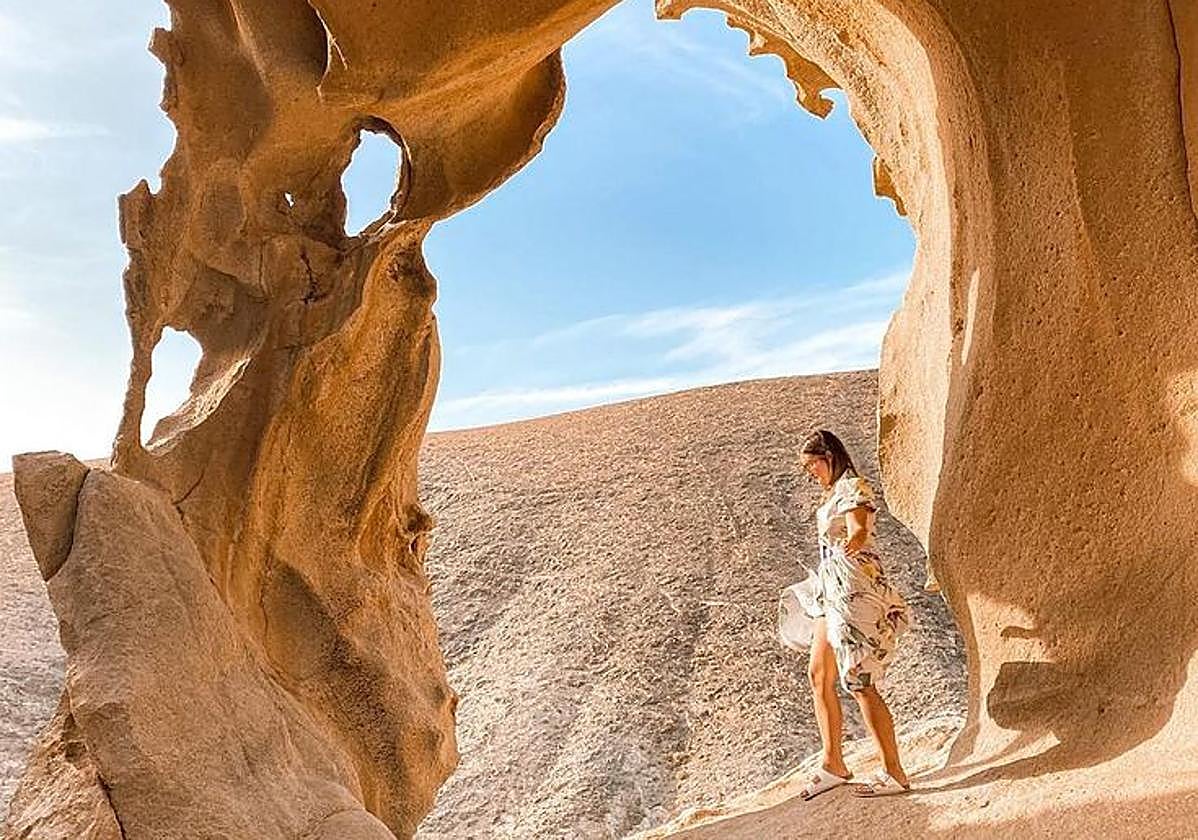
Among the areas that will be affected by the ecotax are some of Fuerteventura’s most iconic natural sites, such as Isla de Lobos and the breathtaking Cofete Beach. The stunning rock formations and the picturesque landscape of the Ajuy caves have become favorite spots for tourists, making their preservation essential. According to García, the regulation of access to Isla de Lobos, particularly, will involve several stakeholders, including local government and port authorities, to ensure a collaborative and well-thought-out approach.
Emphasizing Collaboration
The president has accentuated the need for cooperation with the municipalities of La Oliva and other relevant bodies to manage access to these cherished landscapes. Visitors don’t only arrive on Isla de Lobos from Fuerteventura; many also come from nearby Lanzarote, further underlining the need for inclusive dialogue and joint planning. The upcoming meetings between the Cabildo and local entities aim to lay the groundwork for these regulations.
The Future of Fuerteventura
As the ecotax rolls out, it symbolizes a broader commitment to sustainable practices across the island. The message from García is clear: the urgent need to manage natural spaces is palpable. Residents and tourists alike can look forward to a more sustainable future, where the beauty of Fuerteventura is preserved for generations to come.
The introduction of the ecotax represents a move towards responsible stewardship of one of nature’s gems, ensuring that visitors can continue to enjoy the breathtaking landscapes of Fuerteventura while safeguarding them against the pressures of mass tourism.
![[gpt_title] Write a natural, soulful, and wellness-driven headline (max 12 words) about Ayurveda, healing, or natural medicine. It should feel modern yet timeless — e.g., “The Science of Stillness,” “Nature’s Pharmacy,” or “Healing in the Everyday.” Avoid clickbait or sales tone. [/gpt_title]](https://static01.nyt.com/images/2026/03/31/arts/EKS_POLLAN_CLIP-1_260331_THUMB_CLEAN/EKS_POLLAN_CLIP-1_260331_THUMB_CLEAN-facebookJumbo.png?video-overlay "[gpt_title] Write a natural, soulful, and wellness-driven headline (max 12 words) about Ayurveda, healing, or natural medicine. It should feel modern yet timeless — e.g., “The Science of Stillness,” “Nature’s Pharmacy,” or “Healing in the Everyday.” Avoid clickbait or sales tone. [/gpt_title]")