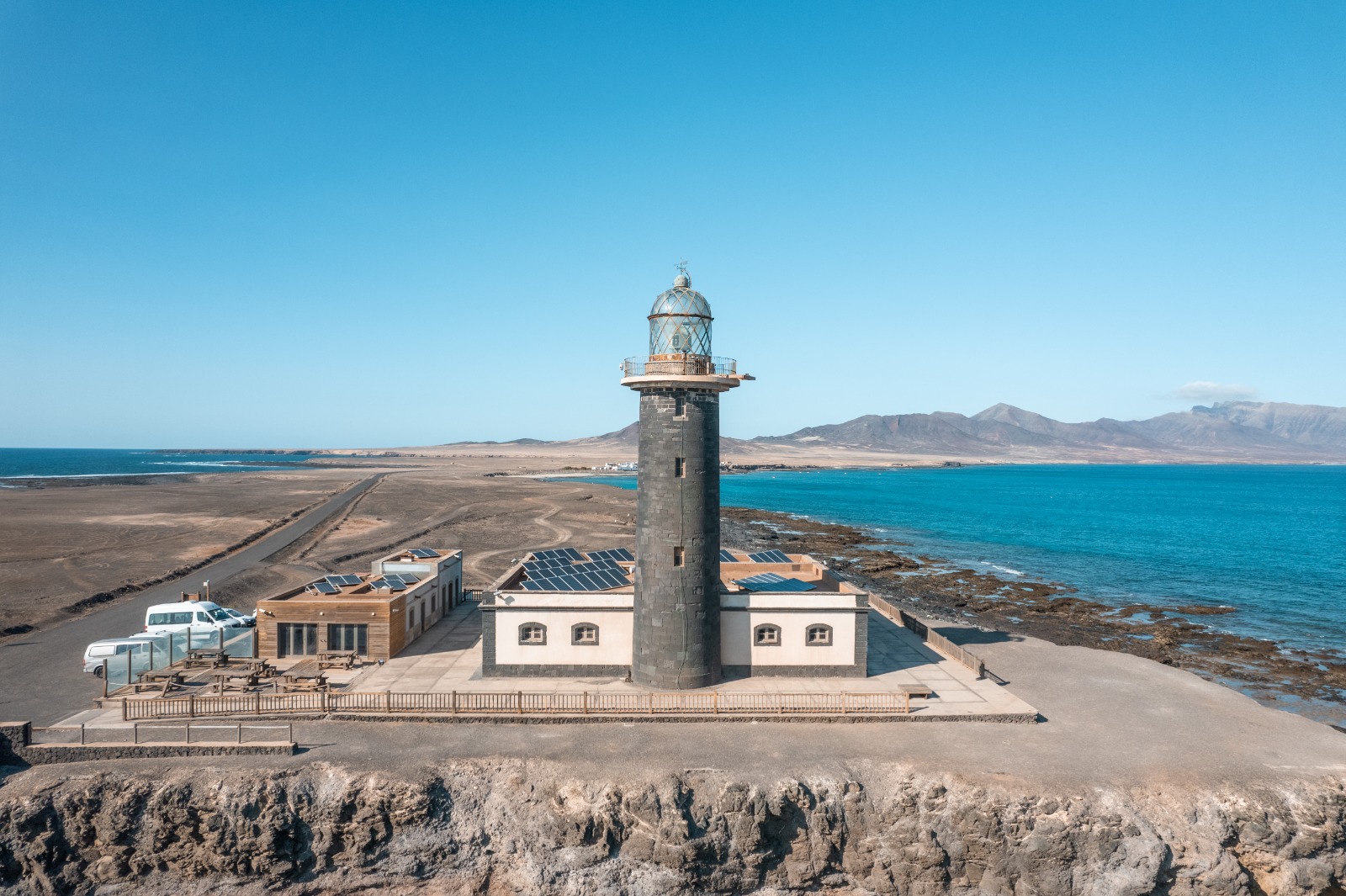
Preserving the Uniqueness of Playa del Matorral: The Saladar de Jandía
Nestled in the heart of Fuerteventura, the Saladar de Jandía, part of the Caribbean-like Playa del Matorral, is a rare gem that boasts one of the most significant wetlands in the Canary Islands. Designated as a Scientific Interest Site and included in the Ramsar Convention for international wetland protection, this unique ecosystem serves as both a refuge for biodiversity and a marvel to behold.
Collaborative Efforts for Conservation
Recent developments surrounding conservation efforts at the Saladar de Jandía have gained momentum. The island president, Lola García, alongside environmental advisor Carlos Rodríguez, has initiated a series of preventative and improvement actions aimed at enhancing the area. In collaboration with Alexis Alonso, the councilor of Urbanism, Public Works, and Water in the municipality of Pájara, they have outlined a plan that includes upgrading the wooden walkways that traverse the wetland.
This plan extends to the installation of protective fencing along the eastern coast of the saladar to safeguard this vital habitat. The funding for these initiatives will come from European FEADER funds, emphasizing the commitment to biodiversity enhancement across the Pico de la Zarza and Madre del Agua regions.
Urban Planning for Environmental Harmony
In line with the initiatives by the Cabildo, the Pájara City Council is also taking critical steps to improve urban infrastructure. Alexis Alonso has announced measures aimed at optimizing rainwater drainage along Avenida de Saladar. This upgrade is designed to mitigate potential environmental damage caused by runoff water that could promote the spread of invasive plant species, thereby preserving the unique flora of the region.
A Unique Ecosystem
The Saladar de Jandía covers an impressive 116 hectares—an area comparable to more than a hundred football fields. What makes this wetland truly special is its classification as one of the most extraordinary examples of thermophilic halophyte shrubland, which thrives in high salinity conditions. The unique flora here includes plants adept at surviving in salty environments, such as uvilla de mar, matamoro, salado, and balancón.
The wetland’s hydrology plays a vital role in its ecology; periodic flooding, particularly during high tides in fall and spring, creates a dynamic environment that supports diverse marine and migratory bird species. These natural inundations help maintain the balance of the ecosystem and are crucial for the survival of its inhabitants.
Conservation Challenges
Despite its environmental significance, the health of the Saladar de Jandía is alarmingly fragile. The ecosystem is easily disrupted; even foot traffic can have detrimental effects on its stability. For this reason, it has been included in the Ramsar List of Wetlands of International Importance since 2002.
Conservators stress that consistent efforts are vital for the continued survival of this ecosystem. Increased public awareness and active participation in preservation can aid significantly in minimizing human impact on the wetland.
Conclusion
The actions implemented by both the Cabildo de Fuerteventura and Pájara City Council are essential not only for the physical conservation of the Saladar de Jandía but also for fostering community engagement and awareness regarding the importance of preserving this unique ecosystem. Through collaboration, innovative urban planning, and focused conservation efforts, the aim is to ensure that this remarkable natural area can sustain its rich biodiversity for generations to come.