Discovering Montaña Tegú and the Mirador de Morro Velosa
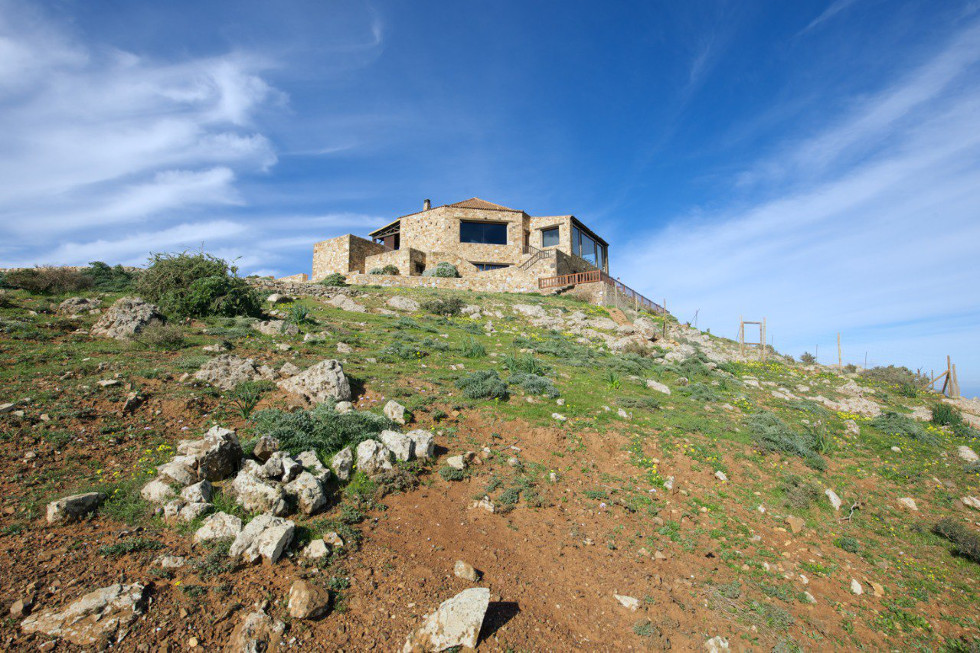
Nestled in the idyllic landscape of Fuerteventura, the journey to Betancuria often serves as a prelude to the captivating ascent of Montaña Tegú. Rising majestically to 669 meters, this mountain is topped by the Mirador de Morro Velosa, a viewpoint that was inaugurated in the mid-1990s. When conditions are favorable, visitors to the mirador are treated to breathtaking panoramas that stretch from the northern coast—encompassing La Oliva to El Cotillo, and even Tindaya—to the southern vistas, showcasing the enchanting sights of Betancuria, Risco del Carnicero, and Pico de la Muda.
A Bird’s Eye View of Betancuria’s Majestic Landscape
According to the Fuerteventura Museums Network website, the Mirador de Morro Velosa offers “the best vantage point to observe the Betancuria Massif.” It provides a rare look at the vast landscape shaped by the island’s history of erosion and desertification. Unfortunately, the main structure of the viewpoint has been closed temporarily for over three years. The reason for this closure? Safety concerns arising from falling tiles. Fortunately, the external area of the mirador is still accessible to visitors on weekends, operating from 7 AM to 7 PM.
A Changing Functionality
Over the years, the functionality of the Mirador de Morro Velosa has seen several transformations. Initially set up as a restaurant, it catered to visitors with delicious local cuisine thanks to a concession granted to a restaurateur from Gran Tarajal. However, after the island earned the designation of a Biosphere Reserve, the space was repurposed into an interpretative center focusing on the natural treasures surrounding the Parque Rural de Betancuria. In collaboration with the Ministry of Environment, the interior was adorned with panels highlighting the unique landscapes, climate, and biodiversity of the area.
The restaurant aspect of the mirador later evolved into a café, offering a different kind of experience for visitors. Despite these changes, the mirador has faced multiple closures due to safety reassessments and renovations.
The Architectural Legacy of César Manrique
The Mirador de Morro Velosa carries the artistic signature of the renowned Canarian artist César Manrique, albeit in a complex context. Designed shortly before his untimely passing in 1992, the project was handed over to architect Blanca Cabrera. While recognized for his vision, César’s direct involvement was limited to the initial design phase. This has led to some confusion, as the César Manrique Foundation does not categorically include this mirador among his recognized works, citing that he did not influence its construction phase significantly.
Cabrera recalls that initial plans called for a single-story structure, with the Cabildo insisting on adding a second level for additional purposes. Despite César’s original intent to frame the structure with trees to minimize visual impact, some of those elements never materialized. Furthermore, the final execution lacked his hallmark creativity, a factor that has led to ongoing discussions about the mirador’s status within his oeuvre.
Recognition and Misunderstandings
The debate surrounding the Mirador de Morro Velosa is multifaceted. While the regional tourism authority often highlights its connection to César Manrique, the foundation does not recognize it as an integral part of his architectural legacy. They acknowledge his role in the original concept but maintain that César’s impact on the final construction was insufficient to qualify it as one of his works.
This situation parallels similar instances in which projects initiated by Manrique were completed posthumously without his direct supervision, leading to a distinction between his fully recognized works—like Jameos del Agua or the Mirador del Río—and structures such as Morro Velosa.
The Future of the Mirador
As discussions continue regarding its historical and artistic significance, the future of the Mirador de Morro Velosa remains uncertain. Plans for the site’s reopening are underway, but feedback on management models remains mixed. In the meantime, while enjoying the external area, visitors can reflect on the rich tapestry of natural beauty that Fuerteventura offers, even as they await the mirador to reclaim its place as one of the island’s treasured viewpoints.