A Rare Visitor: The Giant Lizard of Gran Canaria
Introduction to a Unique Species
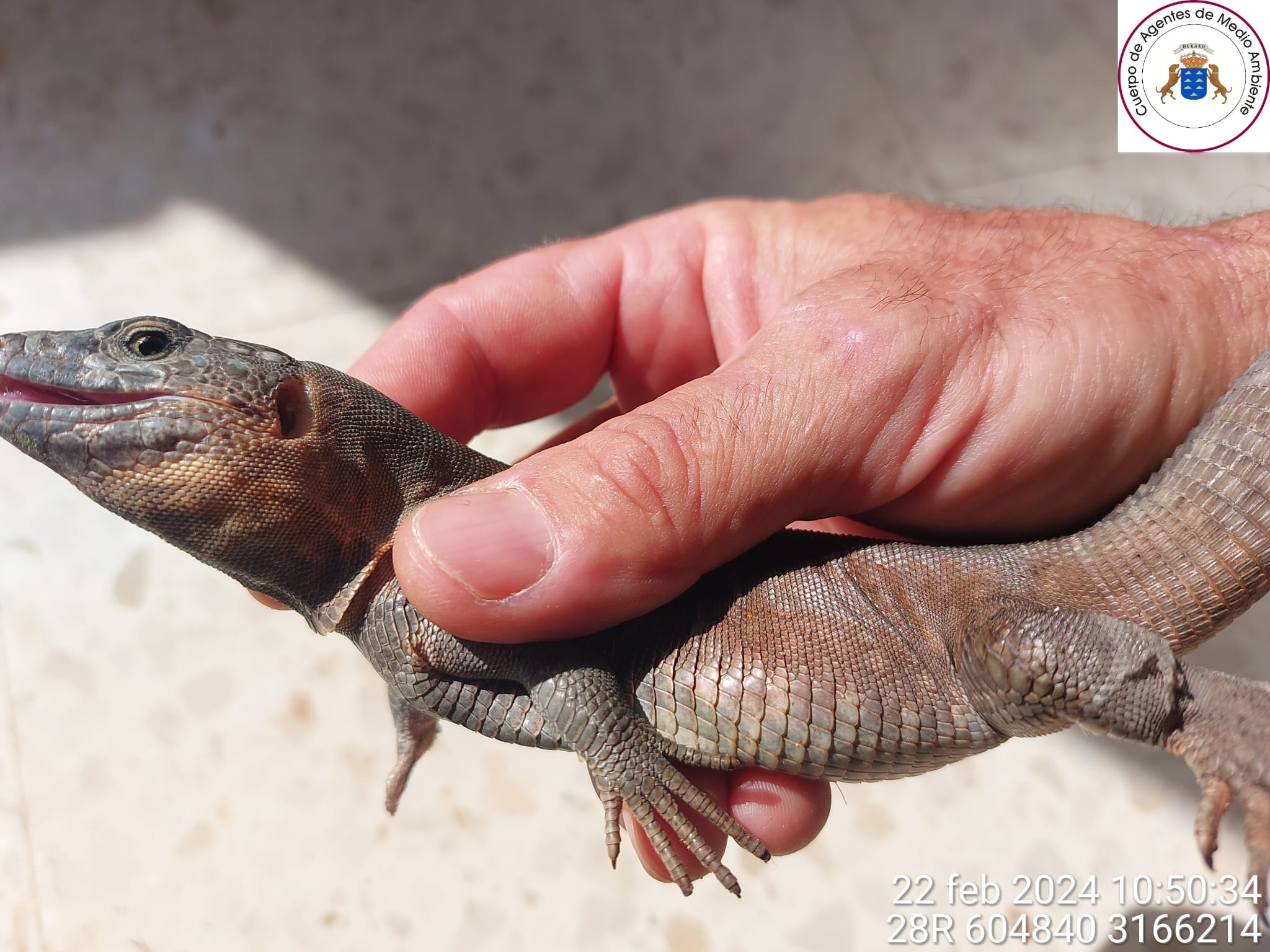
Recently, a fascinating incident occurred in Lajares, a quaint village nestled within the municipality of La Oliva, Fuerteventura. A resident, inspecting his garden due to strange damage to his plants, made a surprising discovery—a Giant Lizard from Gran Canaria, measuring 44 cm long and weighing 117 grams. This reptile, known scientifically as Gallotia stehlini, is an extraordinary species endemic to Gran Canaria, making this find both intriguing and significant for local conservation efforts.
The Discovery and Initial Response
The Giant Lizard was trapped in a device set by the homeowner, who wished to ascertain the cause of the damage affecting his plants. This led to an immediate alert to the Área de Medio Ambiente y Caza del Cabildo de Fuerteventura, led by Carlos Rodríguez. Such incidents highlight the delicate balance between human activities and wildlife, particularly in the Canary Islands, where habitats are fragile and biodiversity needs protection.
Care and Rehabilitation Efforts
Currently, the lizard is being cared for at the Estación Biológica de La Oliva, managed by RedEXO, through the service-concession company GESPLAN. Experts are assessing its health and well-being, ensuring that it receives the necessary attention during this transitional time. The team at the biological station is focused on evaluating the lizard’s condition and planning an appropriate course of action for its future. As a treasured species within its native territory, this careful handling is vital.
Return to Its Natural Habitat
Once the necessary bureaucratic processes are completed, the ultimate goal is to return this Giant Lizard to its natural habitat in Gran Canaria. RedEXO will coordinate this crucial task, ensuring the lizard can reintegrate into its ecosystem seamlessly. This emphasis on rehabilitation rather than captivity underscores the commitment to preserving the indigenous fauna of the Canary Islands.
The Importance of Conservation
Carlos Rodríguez, the environment councillor, emphasized the ongoing efforts to safeguard local flora and fauna. The conservation of endemic species like the Giant Lizard is crucial due to their unique roles in their ecosystems. With a primarily vegetarian diet, these lizards are key in seed dispersion for various plants. By performing this ecological function, they contribute to the robustness of their habitat, reinforcing the importance of their protection.
Encountering Invasive Species
The discovery of the Giant Lizard also calls attention to the potential threat posed by invasive species in the Canary Islands. The Canary Early Warning Network for Invasive Alien Species (RedEXOS) aims to track, identify, and address the emergence of such species to prevent their establishment and expansion within the archipelago. This proactive approach is critical in protecting the delicate balance of ecosystems that are home to many unique species.
Community Involvement and Reporting
The Cabildo de Fuerteventura is urging the public to remain vigilant. Citizens are encouraged to report sightings of unusual species to emergency services by calling 112. This community involvement is essential in promptly addressing environmental challenges and ensuring that species like the Giant Lizard are safeguarded for future generations.
The Role of Education and Awareness
Raising awareness about the importance of native species and their conservation is a significant focus for environmental initiatives across the islands. Educating locals and visitors alike about the ecological significance of species such as the Giant Lizard fosters a sense of responsibility towards protecting these remarkable creatures.
In summary, the recent discovery of the Giant Lizard in Fuerteventura is a striking reminder of the complexities inherent in wildlife conservation. Through careful management, community engagement, and protective measures, there is hope for preserving the endemic species of the Canary Islands. The collaborative efforts of authorities and citizens can ensure that unique wildlife continues to thrive in their natural habitats.