Waste Disposal and Fill-Up Points Across All Municipalities
The Campers’ Association of Fuerteventura (ACF) will celebrate its six-year anniversary this coming October. From the outset, the ACF has advocated for the regulation of camper activities, emphasizing the necessity to respect the natural landscape while establishing a robust network of waste disposal and fill-up points. This initiative aims to curb uncontrolled waste dumping and ensure access to clean water.
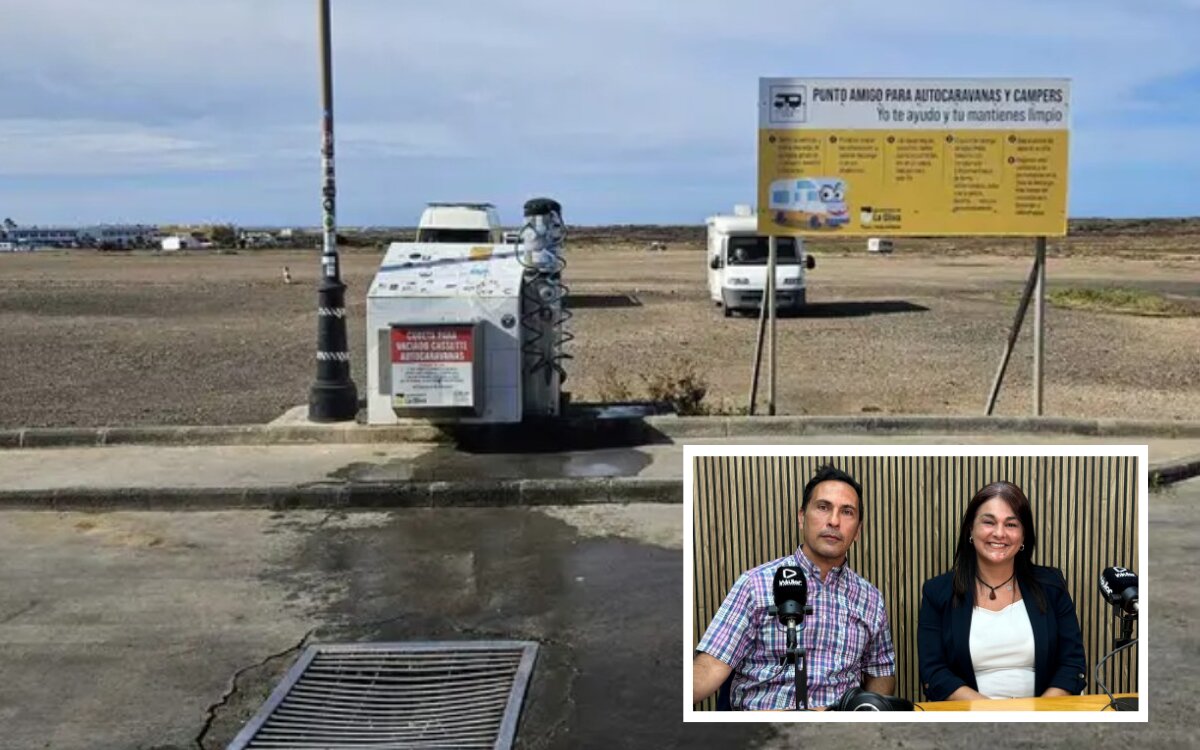
Two years ago, the association successfully engaged the La Oliva Town Council, which led to the establishment of a waste disposal and fill-up point. This service has already benefitted hundreds of motorhomes and camper vans delighting in the scenic surroundings of northern Fuerteventura. Currently free of charge, many association members are now advocating for a fee. According to ACF President Gustavo Morales and Treasurer Mame Alejandro, “Some individuals are using the camper fill-up point to wash their cars,” indicating a need for tighter controls at these popular facilities, which are highly rated by users.
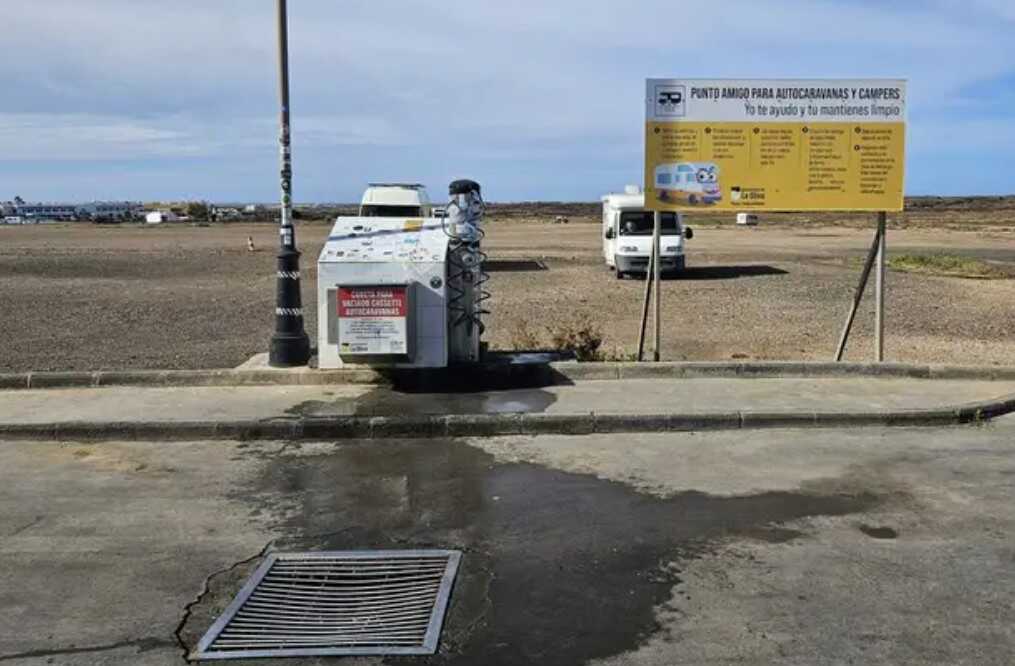
These imprudent behaviors, however, affect the entire community, leading the ACF to call for regulation to better manage these resources and minimize abuses.
The association continues to meet with all municipalities in Fuerteventura to push for a comprehensive network of services across the island. The clear goal is to ensure that every municipality has at least one waste disposal and fill-up point.
Regarding the current map of services, the association acknowledges progress but views it as insufficient.
In Betancuria, for instance, the municipality has informed the association that a project is underway to complete the existing point, where grey water disposal is currently not possible. The project has been awarded, and it is expected to be operational “in one or two months,” ideally before summer.

In Tarajalejo, however, significant challenges remain. While there is a point for waste disposal, it lacks a water supply, which is not enough for the users who frequent this essential service in the island’s southern region. The ACF urges the Tuineje Town Council to establish an additional point. Furthermore, there have been instances of antisocial behavior among some users, causing distress for nearby residents.
In Antigua, another point exists for waste disposal that is rated as “fairly good,” yet it also lacks a water supply.
In Puerto del Rosario, one of the municipalities still missing complete infrastructure, the association has noted a good institutional willingness. There is a positive attitude towards establishing a fill-up and waste disposal point, with ongoing discussions about potential locations. Morales also highlighted the lack of these services in the Pájara municipality.
The association is also advocating for designated camping zones on an island where, as they emphasize, “there are no legal camping sites.” Previous initiatives have been discussed for areas such as El Cotillo and Barranco de La Torre, yet they involve private land.
A Waiting Game for Regional Regulations That Respect Local Needs
Meanwhile, the sector awaits the Canarias government to approve regulations that will determine the resulting authority and flexibility of the Cabildo and individual municipalities. “We are all waiting for the Cabildo’s regulation to come into effect,” summarized Morales.
The community fears that a blanket regulation across the archipelago could unfairly discriminate against the specific realities of Fuerteventura. “The government of Canarias treats all islands the same, and we are not the same,” warned ACF President Morales.
“Fuerteventura is completely different from El Hierro,” he emphasized, advocating for planning that considers geographical diversity, island traditions, and demographic differences.

At the heart of these discussions lies a concern that excessively restrictive regulations could limit where motorhomes are legally allowed to park. “What we do not want is discrimination against us,” representatives of the ACF stressed, maintaining that motorhomes and camper vans deserve the same parking rights as other vehicles.
The association also aims to clearly define areas where parking is prohibited, facilitating compliance with existing laws while enabling them to better advise their members.
This information would also empower the association to swiftly communicate “where we can park, and where we cannot,” and address any antisocial conduct accordingly.
With nearly 500 active members this year and more than 800 in total, ACF has evolved into a significant voice within the sector as it enters its sixth anniversary. They proudly note, “We now have a unified voice in institutions,” underscoring the achievements of this dedicated entity.