Global Reactions to the U.S.-Israeli War with Iran: A Snapshot of International Sentiments
As the U.S.-Israeli war with Iran approaches its two-week mark, the conflict has sent shockwaves through energy and stock markets worldwide. CBS News has gathered insights from various foreign capital cities, revealing a tapestry of emotions, concerns, and opinions regarding the ongoing hostilities.
Russia: Solidarity with Iran
In Moscow, a makeshift memorial outside the Iranian embassy has become a poignant symbol of solidarity. Residents have laid flowers, candles, and stuffed animals to honor the victims of the conflict. Natalia, a Moscovite, expressed her sorrow over the loss of life, particularly among children, stating, “It’s simply inhumane. How can this be?” The sentiment is echoed by many Russians, with a significant majority disapproving of the U.S.-Israeli operations. President Vladimir Putin has publicly condemned the strikes, labeling them a “pre-planned and unprovoked act of aggression.”
Tatiana Pluzhnikova, who has lived in Iran, described the country as “the friendliest, most peace-loving.” Her words resonate with the broader Russian public, who largely view the conflict as unjust and unnecessary.
Germany: Concern and Uncertainty
In Germany, the war has sparked immediate concerns, particularly for the estimated 30,000 German nationals stranded in the Gulf region due to flight cancellations. Tourists like Richard Grüttmöller recounted the surreal experience of hearing sirens in a holiday paradise, while René Lembke described the uncertainty that loomed over their vacation.
Public opinion in Germany reflects a growing unease about the conflict. A recent survey revealed that over half of respondents believe the war is unjustified, with three-quarters fearing its potential to escalate. Nearly 90% of Germans feel that international politics is increasingly dictated by the “law of the strongest,” highlighting a deep-seated anxiety about global stability.
Poland: A Sense of Fear
Poland’s citizens have expressed palpable unease since the onset of the war. An elderly woman voiced her fears, stating, “Wars are easy to start but hard to end.” Younger Poles echoed her sentiments, recognizing the broader implications of the conflict. Polling data indicates that one in five respondents in Poland now views the U.S. as a “major threat” to European security, a stark shift in perception exacerbated by the ongoing war.
Concerns about the conflict’s impact on the war in Ukraine, which has persisted for four years, loom large in Polish minds. The fear that the Iranian conflict could further destabilize the region is a significant worry for many.
Ukraine: Mixed Feelings
In Ukraine, social media has been abuzz with reactions to the war. An AI-generated image of President Volodymyr Zelenskyy holding an ace of spades has gone viral, symbolizing the complex dynamics at play. Ukraine’s decision to send drone interceptors to Jordan in support of U.S. military bases reflects a pragmatic approach, yet it has also stirred mixed feelings among Ukrainians.
While many appreciate the recognition of Ukraine’s air defense capabilities, there is concern that U.S. focus on the Middle East could detract from support for Ukraine in its ongoing struggle against Russia. Ukrainian parliamentarian Oleg Dunda articulated this sentiment, emphasizing the risks posed by the diversion of American resources.
United Kingdom: A Strained Relationship
The U.S.-Israeli strikes have prompted serious questions about the “special relationship” between the U.K. and the U.S. Prime Minister Keir Starmer’s refusal to allow U.S. forces to use British bases for offensive strikes has drawn ire from President Trump, igniting a debate about national interests. Despite criticism, Starmer’s stance appears to resonate with the British public, with a majority opposing the U.S.-Israeli actions and questioning their justification.
The U.K. has opted to support defensive operations while sending a warship to protect its air force base in Cyprus, reflecting a cautious approach amid rising tensions.
Ireland: Deep Unpopularity
In Ireland, the war has reignited debates over U.S. military use of Shannon airport as a refueling base. Political commentator Fintan O’Toole noted that most Irish citizens view the conflict as reckless and illegal, with little understanding of its objectives. The Irish government’s vocal criticism of the Israeli campaign in Gaza has further fueled public discontent, leading to calls for a ban on U.S. military use of Irish facilities.
President Catherine Connolly condemned the violations of international law associated with the U.S.-Israeli attacks, emphasizing the need for accountability.
India: A Complex Response
In India, the Iranian embassy has become a focal point for mourning, with citizens expressing their sorrow over the death of Ayatollah Khamenei. Protests have erupted in various regions, particularly in Kashmir, where demonstrators have voiced their opposition to U.S. and Israeli actions.
India’s government has taken a cautious stance, issuing guarded statements of concern without outright condemnation. This has drawn criticism from political commentators who argue that India’s silence on significant global issues undermines its international standing.
Spain: A Firm Stance Against War
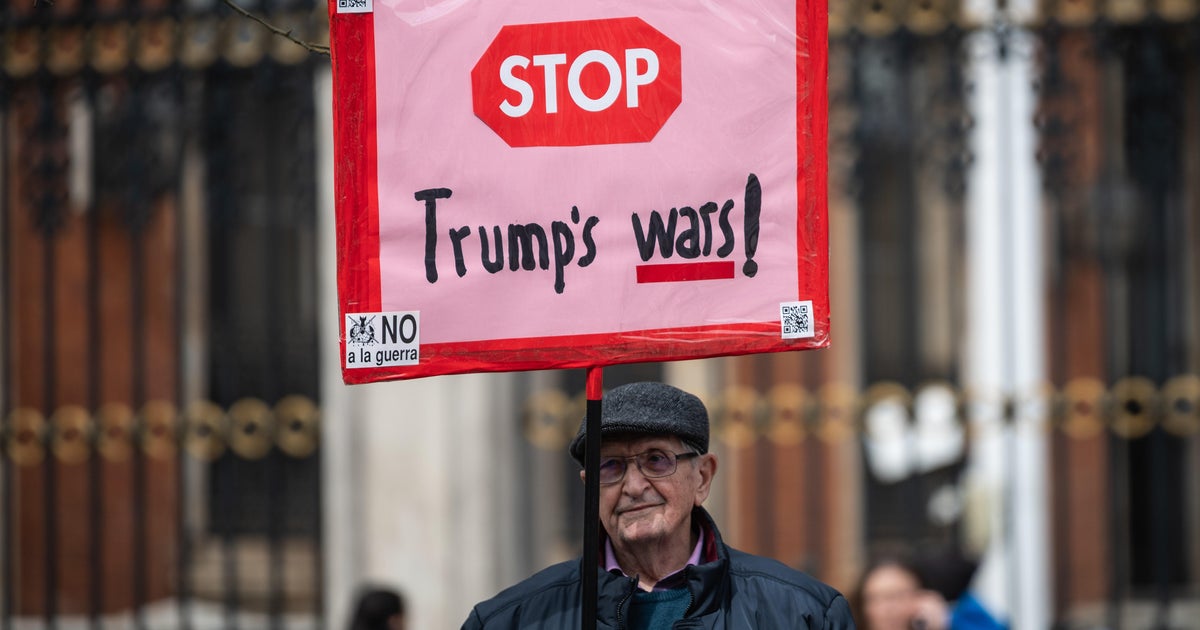
Spanish Prime Minister Pedro Sanchez has made headlines with his unequivocal stance against the war, stating, “No to war.” His refusal to allow U.S. military operations from Spanish bases reflects widespread public sentiment, with two-thirds of Spaniards opposing the conflict. This position marks a departure from Spain’s past support for U.S. military interventions, signaling a desire to prioritize national interests and public opinion.
The diplomatic relationship between Spain and Israel has also soured, with Spain withdrawing its ambassador amid escalating tensions over military actions in Gaza.
France: A Call for Diplomacy
French President Emmanuel Macron has positioned himself as a mediator, advocating for diplomatic solutions to deescalate the conflict. While he has condemned the U.S.-Israeli strikes as “outside international law,” he has also urged Iran to cease its attacks on Gulf nations. Macron’s approach reflects a broader French public sentiment that largely opposes foreign military interventions.
Despite calls for a defensive mission to protect shipping in the Strait of Hormuz, the French populace remains skeptical about military involvement, preferring diplomatic avenues to resolve the crisis.
This snapshot of international opinions illustrates the diverse and complex reactions to the U.S.-Israeli war with Iran. From expressions of solidarity and fear to calls for diplomacy and condemnation, the global landscape is marked by a shared desire for peace amid rising tensions.