The Cultural Heritage of the Santa María de Betancuria Church
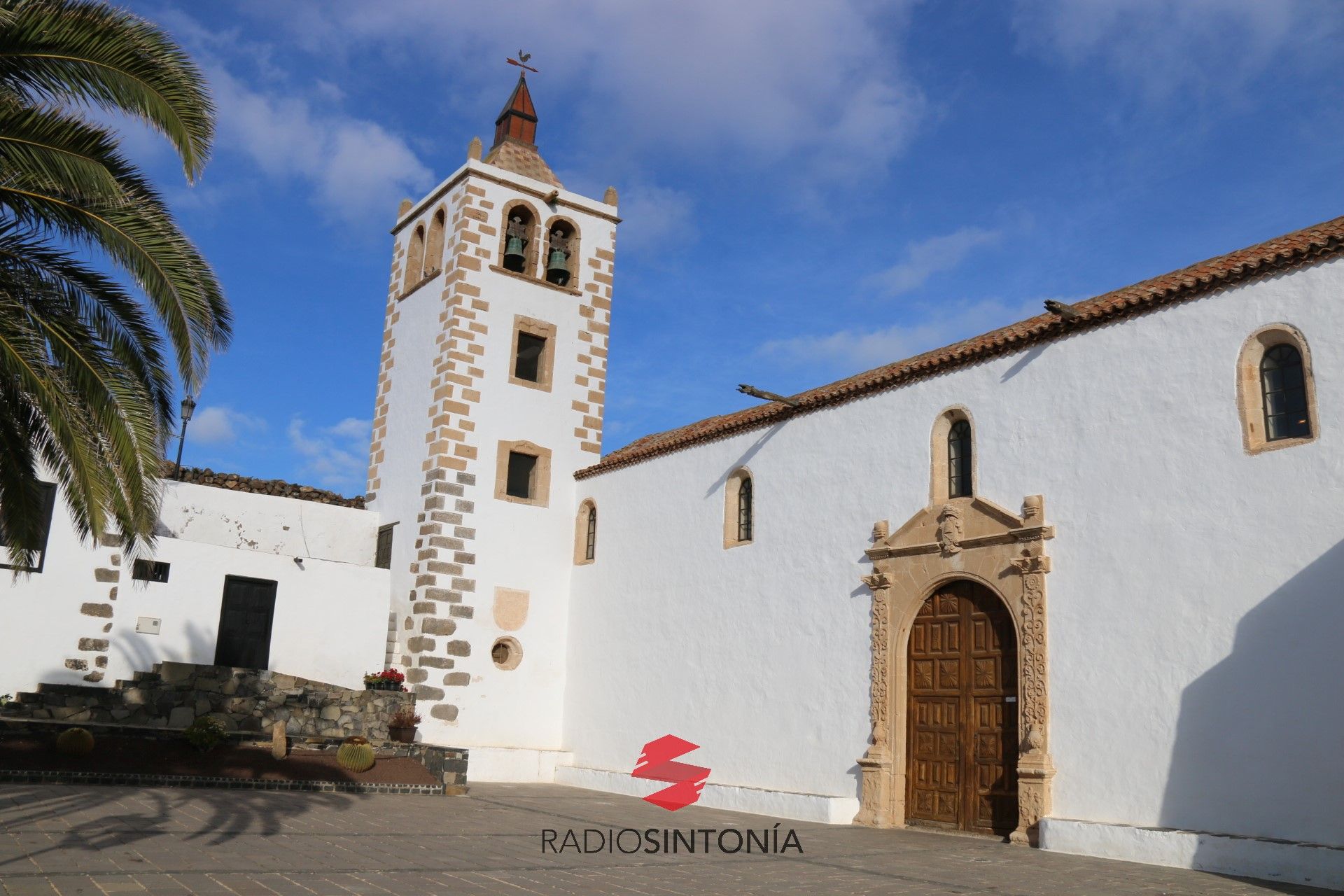
The Government of the Canary Islands has recognized the historical significance of the Church of Santa María de Betancuria by declaring it a Bien de Interés Cultural (Asset of Cultural Interest). This designation not only highlights the architectural and artistic value of the church but also ensures the protection of its movable items and the surrounding environment, which plays a crucial role in preserving the integrity of this historical site.
Legal Framework for Protection
According to the Ley de Patrimonio Histórico de Canarias (Law of Historical Heritage of the Canary Islands), a monument is defined as “goods that constitute architectural or engineering realizations or singular works of sculpture, provided they stand out for their architectural, technical, historical, artistic, scientific, or social value.” The Church of Santa María de Betancuria exemplifies this definition through its rich history, architectural features, and the array of artworks it houses.
The church is situated in the heart of the historical center of the Villa de Santa María de Betancuria, within a larger area designated as the Conjunto Histórico de Betancuria. This designation was formalized on November 10, 1978, by Royal Decree 3086/1978, recognizing the village’s historical and artistic ensemble.
Surrounding Protection Area
The protective measures established around the church extend to the adjacent spaces, including the nearby streets and plaza. This delineation is crucial for preserving the area from any future construction or alterations that could negatively impact the church or hinder its accessibility and study. The surrounding environment is essential not only for aesthetic reasons but also for maintaining the historical context in which the church stands.
Buildings situated outside this defined protective area are also part of the historical ensemble and benefit from comprehensive protection under the PEP (Plan Especial de Protección). This plan dictates that permissible actions involve only consolidation, conservation, and restoration efforts that contribute to maintaining the visual and historical character of the ensemble.
Treasures Within the Church
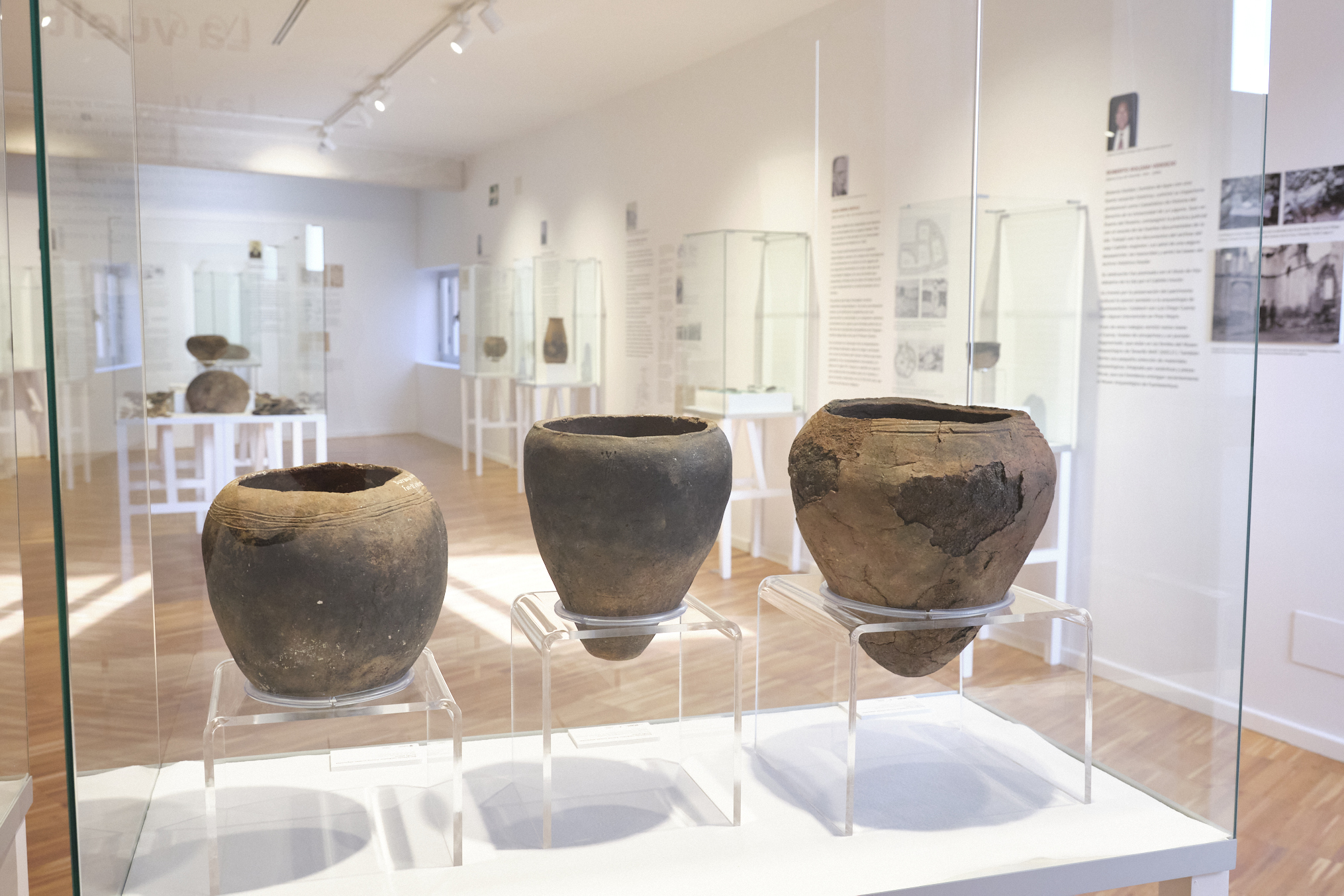
Inside the Church of Santa María de Betancuria, one can find a collection of movable goods integral to its historical narrative. Some of these items were specifically created for the church, while others came from the closure of significant local sites, such as the Iglesia Conventual de San Francisco and the Ermita de San Diego de Betancuria. Among the various treasures, there are numerous sculptures, paintings, and altarpieces that reflect the artistic style and spiritual heritage of the region.
A Brief History of the Church
The origins of the Church of Santa María de Betancuria trace back to the early 15th century when Spanish conquerors established a simple oratory to fulfill their religious needs. This initial chapel was replaced around 1410 by a more substantial temple commissioned by the conqueror Jean de Bethencourt, with construction entrusted to the master builder Jean le Maçon.
The architectural style of the church reflects the building practices of its artisans’ places of origin, adapted to the unique materials and characteristics of the Canary Islands. Unfortunately, in 1593, the church was dismantled by North African pirates led by the notorious Xabán Arráez, who devastated the village of Betancuria.
The church also served as the seat for the Diocese of Fuerteventura from its establishment in 1424 until its dissolution in 1430, which is reflected in various episcopal symbols present both on the main façade and within the church itself.
For many years, the Church of Santa María de Betancuria acted as the sole parish for the island, continuing this role until 1792. It wasn’t until then that Fuerteventura saw a division of parishes, although supplementary support from the Pájara (Nuestra Señora de Regla) and La Oliva (Nuestra Señora de la Candelaria) parishes commenced as early as 1711. These were established to ensure better pastoral care for the faithful, functioning as subsidiary churches to the primary parish in Betancuria.
As a testament to its historical and cultural significance, the Church of Santa María de Betancuria continues to be a focal point of heritage conservation efforts in the Canary Islands, ensuring that its rich legacy endures for future generations.