:format(jpg):quality(99):watermark(f.elconfidencial.com/file/bae/eea/fde/baeeeafde1b3229287b0c008f7602058.png,0,275,1)/f.elconfidencial.com/original/1a7/af7/d3b/1a7af7d3bb2895c72b5d30e6b028d7f9.jpg "A Unique Situation in Spain")
Discovering the Islote de Lobos: A Unique Gem in Spain
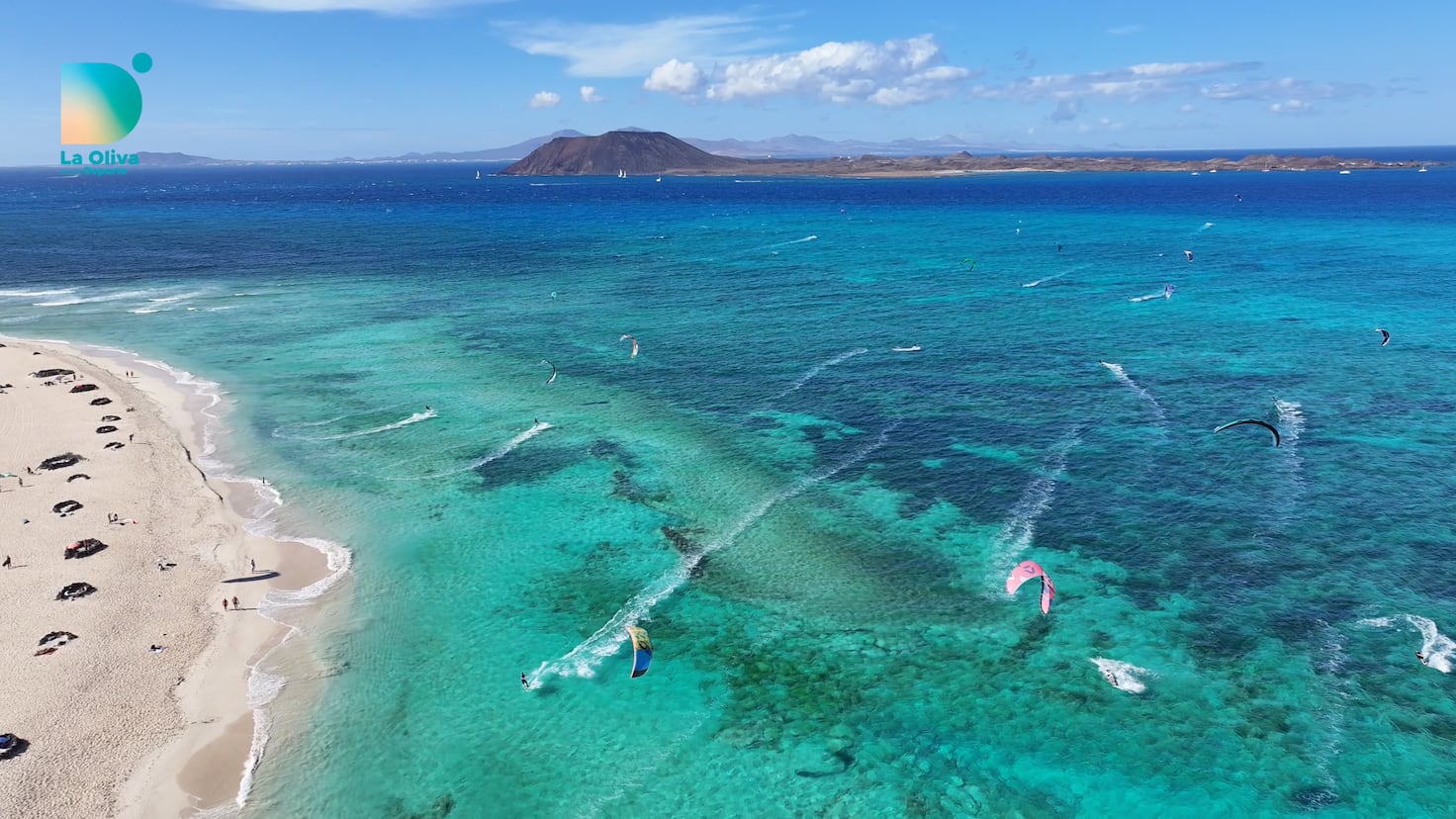
Spain is renowned for its geographical diversity, from bustling metropolises to tranquil, almost uninhabited islands. One intriguing example of the latter is Islote de Lobos, situated north of Fuerteventura in the Canary Islands. This rare piece of land, measuring a mere 5 km², is not only breathtakingly beautiful but steeped in history and natural wonder.
A Pristine Natural Paradise
Islote de Lobos is characterized by its stunningly clear waters and untouched beaches. The island boasts rich biodiversity, with protected ecosystems that draw nature lovers and eco-tourists. Its pristine condition can often feel like stepping back in time, where nature thrives unencumbered by urban development.
The name “Lobos” derives from the monk seal, a once-thriving species in these waters, referred to locally as the sea wolf. Although they are now endangered, the history and the once abundant wildlife contribute to the island’s charm and allure.
A Unique Population
In a remarkable testament to isolation, only one person is officially registered as a resident of the Islote de Lobos. This unique inhabitant is María Jesús Hernández Armas, affectionately known as “Maruca.” She is the daughter of the last lighthouse keeper, Antonio Hernández Páez, known as “Antoñito el Farero.” Maruca has lived on this island, upholding a connection to its historical significance.
While the island has experienced periods of habitation, even serving as a refuge for fishermen and navigators for centuries, it has largely become depopulated since the automation of the Punta Martiño Lighthouse in 1968. Following this change, the last inhabitants gradually left, leaving Maruca as the solitary remaining link to the island’s past.
“The only person registered as a resident of Islote de Lobos is the daughter of the former lighthouse keeper.”
A Rich Historical Background
Islote de Lobos has a rich and intriguing history. Initially a sanctuary for seafarers, it later saw families settle along with the lighthouse, which was a beacon of hope and safety. The automation of the lighthouse, however, marked a significant shift, leading to the decline of the human presence on the island.
Maruca’s story is not just one of survival; it’s an embodiment of resilience and continuity. Her life on the island provides her with a firsthand account of its history and evolution, maintaining a lifeline to the past.
Restricted Access to Preserve Ecosystem
In light of its ecological fragility and need for preservation, as of 2019, the Islote de Lobos operates under a restricted access regime. Visitors wishing to explore the island must now obtain a special permit from the Cabildo de Fuerteventura. This measure not only regulates the flow of tourists but also protects the delicate ecosystems that make Lobos such a precious environment.
Despite the restrictions, the island continues to attract those in search of a serene escape. Its mesmerizing landscapes and tranquil atmosphere make it a sought-after destination for individuals looking to disconnect and rejuvenate.
A Jewel of the Canary Islands
Islote de Lobos is more than just a small island; it’s a remarkable confluence of natural beauty, ecological significance, and rich history. Its unique demographic, remarkable ecosystems, and stringent access policies work hand-in-hand to ensure that it remains a hidden gem within the Canary archipelago.
With Maruca as its heart and custodian, the Islote de Lobos stands as a testament to both the history and ecology of the Canary Islands, inviting those who are fortunate enough to step foot on its shores to appreciate its wonder and wisdom.
:format(jpg):quality(99):watermark(f.elconfidencial.com/file/bae/eea/fde/baeeeafde1b3229287b0c008f7602058.png,0,275,1)/f.elconfidencial.com/original/1a7/af7/d3b/1a7af7d3bb2895c72b5d30e6b028d7f9.jpg&description=A+Unique+Situation+in+Spain)