The Rise of Francisco Franco and the Spanish Civil War
The Spanish Civil War, which raged from 1936 to 1939, was a pivotal moment in Spain’s history, marking the rise of fascist dictator Francisco Franco. This conflict was not just a battle for political power; it was a clash of ideologies, pitting the Republicans, who sought to establish a democratic government, against the Nationalists, led by Franco, who aimed to impose a totalitarian regime. The war resulted in immense suffering, with around half a million people fleeing the violence and chaos that engulfed the nation.
The Exodus and Return
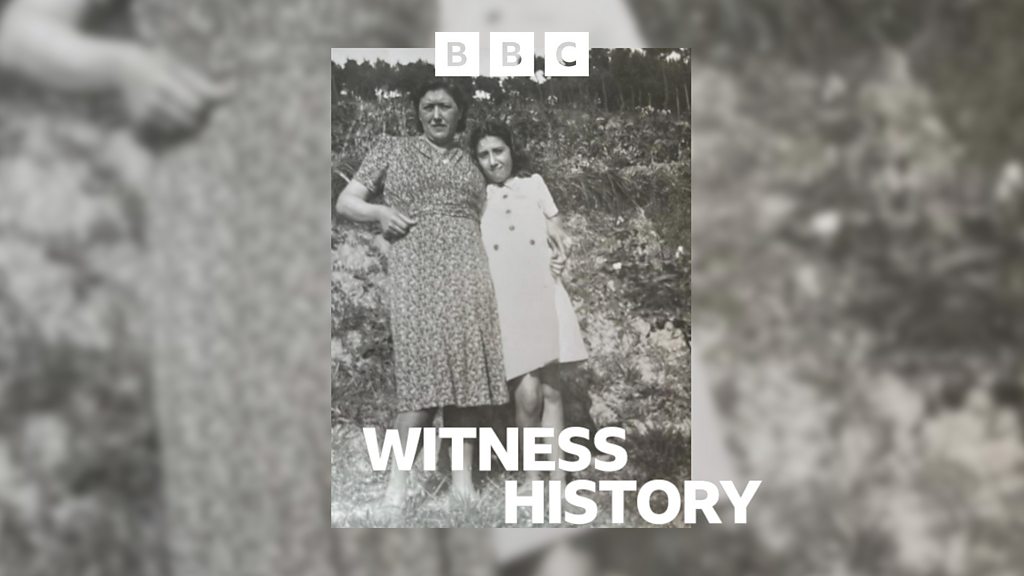
As the war escalated, many families sought refuge in neighboring countries, particularly France. Among them was Felisa Umbon San Vicente, an eight-year-old girl who, along with her mother, made the difficult decision to return to their village near Bilbao in the Basque Country in 1937. This choice was fraught with danger, as the conflict was far from over, and the threat of Franco’s forces loomed large. Yet, for Felisa’s family, the pull of home was strong, and they believed they could endure the hardships that lay ahead.
Felisa’s Early Years Amidst Conflict
Felisa’s childhood was marked by the stark realities of war. Upon returning to Spain, she faced the daunting task of starting school in an environment that was anything but normal. The classrooms were filled with children who, like her, were grappling with the impacts of war. The sounds of gunfire and the fear of air raids became a backdrop to her education, shaping her early experiences and memories.
As Franco’s forces advanced, the atmosphere in her village shifted dramatically. The once vibrant community began to feel the weight of oppression. Felisa recalls the tension that hung in the air, as neighbors whispered about the latest developments in the war. The fear of being targeted for their beliefs or affiliations was a constant presence, influencing the daily lives of those who remained.
The Impact of Franco’s Regime
Franco’s rise to power brought about significant changes in Spain, particularly in the Basque Country, where regional identity and culture faced severe repression. Felisa’s experiences reflect the broader struggles of the Basque people during this time. The imposition of a centralized, authoritarian regime sought to erase regional languages and customs, leading to a loss of cultural identity that many still feel today.
Felisa’s story is not just one of survival; it is also a testament to resilience. Despite the oppressive environment, she and her peers found ways to adapt and maintain a sense of normalcy. School became a refuge, a place where they could momentarily escape the harsh realities of their surroundings. The friendships formed during these tumultuous times would leave a lasting impact on her life.
Witness History: A Window into the Past
Felisa’s narrative is part of a larger tapestry of stories that illuminate the human experience during the Spanish Civil War. Programs like “Witness History” aim to bring these accounts to life, offering listeners a chance to connect with the past through the eyes of those who lived it. By sharing personal stories, such as Felisa’s, we gain a deeper understanding of the complexities of historical events and their lasting effects on individuals and communities.
The series delves into various topics, from significant historical moments to cultural milestones, providing a rich exploration of the events that have shaped our world. Recent episodes have touched on diverse subjects, including technological advancements and cultural phenomena, showcasing the breadth of human experience across time and space.
A Legacy of Resilience
Felisa Umbon San Vicente’s story is a poignant reminder of the resilience of the human spirit in the face of adversity. Her experiences during the Spanish Civil War highlight the personal toll of political conflict and the enduring impact it has on individuals and communities. As we reflect on her journey, we are reminded of the importance of preserving these narratives, ensuring that the lessons of the past continue to resonate in our collective memory.
Through the lens of history, we can better understand the complexities of our world today, drawing connections between past and present. The stories of those who lived through tumultuous times, like Felisa, serve as powerful reminders of the strength found in community, the importance of cultural identity, and the enduring quest for freedom and justice.