FIFA’s Battle Against Racism Ahead of the 2026 World Cup
As the countdown to the 2026 World Cup begins, FIFA, the international governing body of soccer, finds itself grappling with a deeply entrenched issue: racism in the sport. With the tournament set to kick off on June 11, the organization is increasingly concerned about the potential for racist chants from fans in certain European nations to echo in stadiums across the United States, Canada, and Mexico.
Recent Incidents Highlight the Problem
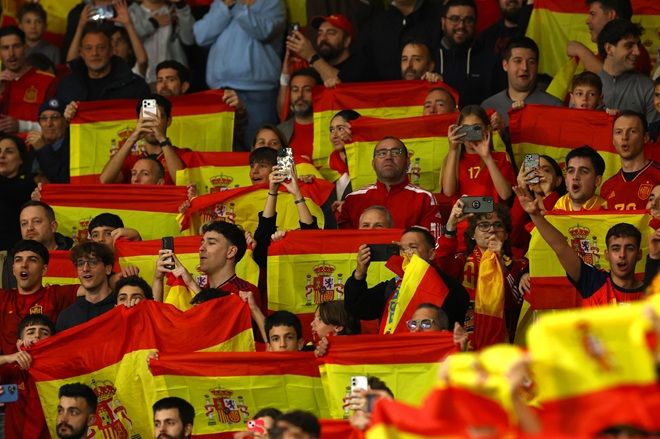
A recent international friendly match in Barcelona between Spain and Egypt on March 31 brought the issue into sharp focus. The match, which ended in a 0-0 draw, was overshadowed by the behavior of some Spanish supporters. Reports indicated that fans directed offensive chants at Egyptian supporters, including the phrase, “If you don’t jump, you’re a Muslim.” This chant, aimed at a predominantly Muslim nation, sparked outrage and highlighted the ongoing problem of discriminatory behavior in soccer.
During halftime, a message was displayed on the big screen urging fans to cease the offensive chanting, but the appeal went largely unheeded. This incident prompted FIFA to launch an investigation on April 7, holding the Spanish Football Association accountable for the actions of its supporters.
FIFA’s Response and Disciplinary Actions
In light of the Barcelona incident, FIFA has initiated disciplinary proceedings against the Spanish Football Association. A representative from FIFA confirmed to The Asahi Shimbun that the organization is taking the matter seriously, emphasizing the need for accountability in the face of such behavior.
The response from players has also been notable. Lamine Yamal, an 18-year-old forward for the Spanish national team and a practicing Muslim, took to Instagram to voice his disapproval of the chants. He described the mocking of religious beliefs as “ignorant and discriminatory,” underscoring the impact of such behavior on players and communities.
A Broader Context of Discrimination in Soccer
Discriminatory chants and actions are not isolated incidents; they are part of a broader pattern that has plagued soccer matches worldwide. UEFA, the governing body for European soccer, has also taken steps to address this issue. In March, the organization imposed fines and penalties on two clubs for their supporters’ behavior during matches.
Tottenham Hotspur faced a fine of 30,000 euros (approximately $35,000) following a match against Eintracht Frankfurt on January 28. Similarly, Real Madrid was fined 15,000 euros after a game against Benfica on February 25. While UEFA has not publicly disclosed the specific reasons for these disciplinary actions, reports from ESPN suggest that supporters of both clubs were involved in making Nazi-style salutes.
The Road Ahead
As FIFA prepares for the 2026 World Cup, the organization faces the daunting task of ensuring that the tournament is free from the taint of racism and discrimination. The incidents in Barcelona and the actions taken by UEFA serve as stark reminders of the work that still needs to be done. With the eyes of the world set to be on North America in 2026, the hope is that the sport can move towards a more inclusive and respectful environment for all fans and players alike.