Your Ultimate Guide to Planning a Holiday to Fuerteventura
Ross Clarke recently returned from Fuerteventura, where he was researching for the upcoming Canary Islands guidebook (publishing November 2024). Here’s his ultimate guide to planning your holiday to Fuerteventura.
When people think of the Canary Islands, sunshine and seaside fun usually spring to mind. And rightly so, as the archipelago is awash with both pristine white sands and dark volcanic shorelines. However, ask any local, and they’ll confirm that Fuerteventura is the go-to island for beaches, thanks to its vast stretches of golden sands dotted around its coast.
Embrace Fuerteventura’s Unique Charm
Unlike its more popular neighbors—Tenerife, Lanzarote, and Gran Canaria—Fuerteventura tends to fly under the radar, offering visitors a much more relaxed pace. But don’t let that easygoing charm fool you into thinking there’s no excitement to be had. This island is one of the world’s best locations for outdoor adventures such as windsurfing, hiking, and stargazing.
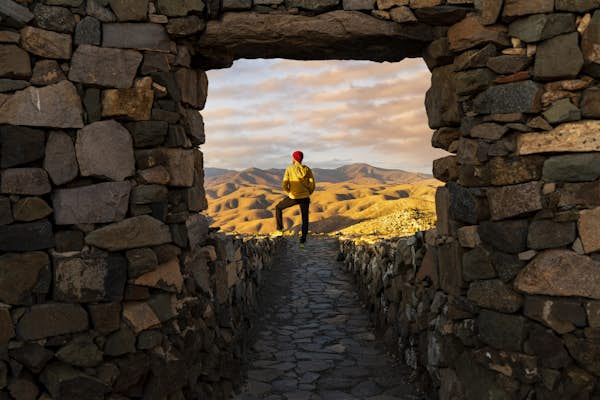
As the second-largest and oldest island in the archipelago, Fuerteventura features soft, undulating volcanic mountains shaped by millennia of erosion. It’s a unique blend of desert landscapes interspersed with lush green oases, where you can discover intriguing remnants of its pre-Hispanic inhabitants alongside stunning geological formations.
When Should You Go to Fuerteventura?
Fuerteventura basks in year-round pleasant temperatures, making it a hot spot for those seeking winter sun. The main resorts—Corralejo to the north and Jandía to the south—are particularly bustling between November and February, when the weather hovers around a comfortable 20°C (68°F). However, summer isn’t to be missed, as temperatures can soar to 30°C (86°F).
For budget travelers or those looking to enjoy both the coast and the central peaks, consider visiting during the shoulder seasons of spring and autumn. The milder temperatures are perfect for hiking and sightseeing without the oppressive heat of summer, yet still pleasant enough for beach time.

How Much Time Should You Spend in Fuerteventura?
Most travelers spend a week or two on the island, providing ample time for both relaxation and exploration. If you’re squeezing in just a week, consider renting a car to split your time between the bustling north coast and the scenic south coast.
The northern coastline is a haven for surfers seeking the best swells, from El Cotillo on the west coast to Corralejo on the east. The latter also boasts the majestic sand dunes of the Corralejo Natural Park, a vibrant hub of charming fish restaurants and lively nightlife.
On the Jandía peninsula, the scene shifts to windsurfing and expansive flat beaches, complete with numerous accommodation options. The island’s interior is dotted with mystical mountains and quaint towns that serve up local Canarian delicacies, offering insights into the island’s rich culture.
If you’re visiting for just a day or two, don’t fret—there’s plenty to explore. You might want to check out traditional industries such as salt harvesting and cheese making or delve into local art via the city’s art trail.
Is It Easy to Get in and Around Fuerteventura?
Fuerteventura has a single airport that caters to both international and domestic flights, conveniently located at the island’s center. Once you land, the best way to get around is by renting a car. Some local providers like CICAR offer competitive rates.
Navigating the island is straightforward with a main motorway running alongside the flatter east coast. While most roads are well maintained, some attractions may require a drive along well-compacted dirt tracks—make sure your insurance covers this. In the main resorts, walking or cycling is easy, and the local bus service, Tiadhe, is frequent and affordable.

Top Things to Do in Fuerteventura
Take to the Water
No trip to Fuerteventura is complete without diving into its array of water-based activities. From surfing and stand-up paddleboarding to diving and kayaking, the options are endless. The experts at Surfintrip in Corralejo offer tailored lessons and trips for all experience levels, ensuring you hit the waves safely and effectively.
Join in at the Farm
Goat farming has been a part of the island’s culture for centuries, culminating in the creation of Majorero cheese, which boasts protected status from the EU. You can visit local farms to learn more about cheese-making, and even participate in hands-on workshops at places like La Casa del Queso Cabrera Perez.
Make a Beeline to the Beach
While it may seem obvious, Fuerteventura’s beaches are a premier attraction for good reason. Cofete Beach, located on the Jandía peninsula, offers a breathtaking experience with its 13 kilometers of unspoiled golden sands, flanked by awe-inspiring mountains.
Step Back in Time
If you have to pick just one place to visit in central Fuerteventura, make it Betancuria. Established as the Spanish capital in 1404, this tiny town is rich in history and features beautifully preserved architecture along an easy-to-navigate path. Enjoy traditional canarian dishes at renowned local restaurants such as Casa Santa Maria and La Sombra.

My Favorite Thing to Do in Fuerteventura
The island’s unique light captivates me—perhaps it’s the landscape or how sunlight dances across the ochre soil. Watching the sunset is an experience I never tire of. The first point to catch a sunset is on the road to Morro Jable and Cofete, where you’ll enjoy breathtaking views over the southwest horizon.
Alternatively, take the winding FV-605 road up to the Mirador Astronómico de Sicasumbre. The changing colors will leave you in awe. The final spot worth mentioning is within the Corralejo Dunes Natural Park. Pack a picnic, find a good spot, and watch the sun dip behind the dunes—an unforgettable sight.
How Much Money Will You Need in Fuerteventura?
Fuerteventura can be budget-friendly, especially during the off-peak season. While most places accept credit and debit cards, it’s advisable to have some cash for small purchases in rural areas.
- Hotel Room: €50-€150 per night
- Six-bed Villa: €300-€500 per night
- Bus Tickets: €1.50
- Coffee: €1.50
- Tapas Meal for Two: €30-€50
- Beer/Glass of Wine: €3
- Sunbed Rental: €5-€10 per day
- Surf Lesson: €55-€75 for half a day

Stay Hydrated in the Sun
Water can be scarce on the island, receiving only a handful of rainy days each year. It is advisable to buy bottled water instead of relying on tap water, as its high mineral content can lead to stomach discomfort. Always keep water on hand, especially during midday when temperatures soar.
Check the Tides
While the seas are inviting, safety is paramount. Check the currents, especially in the southern regions where swimming can be dangerous. Stick to lifeguarded beaches and heed local advice to ensure a safe and enjoyable time.
Fuerteventura is waiting to be explored, with its stunning landscapes, adventurous spirit, and rich history—setting the stage for an unforgettable getaway.