Earthquake Hits Gran Canaria: A Detailed Overview
On the early morning of June 30, 2023, the tranquil island of Gran Canaria was jolted awake by an earthquake measuring 3.9 on the Richter scale. The tremor occurred at 02:31 hours, with its epicenter located 16 kilometers under the Atlantic waters, east of Gran Canaria. According to the National Geographic Institute (IGN), the quake recorded a maximum intensity of III on the European macroseismic scale, marking it as a level that could be felt by residents, particularly those at rest or on higher floors.
Impact and Perception
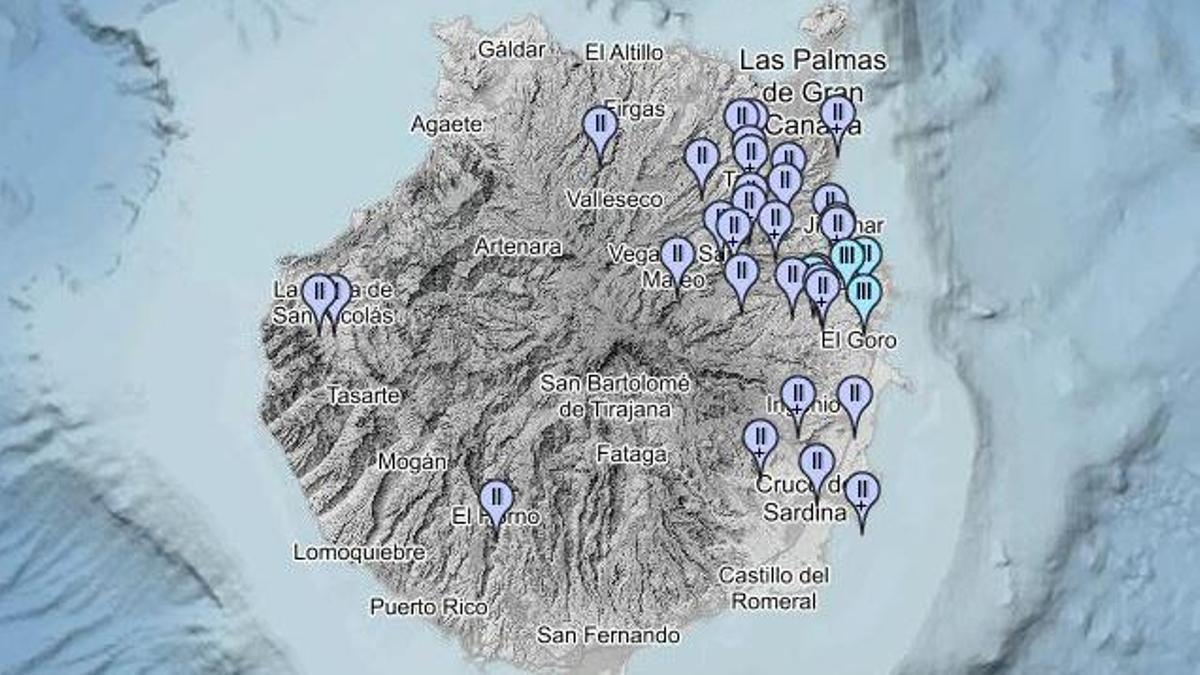
The earthquake’s shaking was notably felt across various areas of Gran Canaria and even reached the neighboring island of Fuerteventura. Reports indicated that the greatest intensity was experienced in different neighborhoods of Telde, specifically in areas such as Las Huesas, Las Remudas, Lomo de la Herradura, and San Antonio, where the IGN noted intensity level III.
In addition to Telde, residents in locales including Bandama, San Gregorio, San José de Las Longueras, Valle de Jinámar, Tafira Baja, Tamaraceite, Playa de Arinaga, Ingenio, as well as parts of Las Palmas de Gran Canaria, Santa Brígida, and Agüimes, reported feeling the tremor with intensity levels ranging from II to III.
Voices from the Community
Social media lit up with comments from locals who shared their personal experiences of the quake. One user from Telde described it simply: “I felt it as if two people were shaking my sofa.” Another resident from Tafira Baja thought he was alone in experiencing the tremor until he saw others commenting about it. Anecdotes like these help paint a vivid picture of the community’s response to seismic activities.
Reports also came in from Jinámar, where some individuals noted they felt the quake for just “microseconds.” Such testimonies align with the IGN’s citizen perception map, which suggests that most responses were concentrated around Telde, Las Palmas de Gran Canaria, Santa Brígida, Agüimes, and Ingenio.
Intensity Mapping and Responses
Following the earthquake, the IGN accumulated over a hundred responses detailing how residents felt during the seismic event. The intensity map indicated that most reports came from the eastern and southeastern parts of Gran Canaria. Areas such as Valsequillo, Santa Brígida, Ingenio, Agüimes, and Las Palmas de Gran Canaria received the bulk of notifications. Even locations farther afield like La Aldea de San Nicolás and communities in Fuerteventura recorded sensations of the quake.
In Fuerteventura, areas such as Antigua, Tuineje, and Pájara reported feeling the earthquake with intensity level II, with notifications coming from places including Tiscamanita, Toto, Valles de Ortega, and Agua de Bueyes.
Understanding the Seismic Activity
While earthquakes can be alarming, it’s crucial to understand their implications. An intensity rating of III suggests a mild experience for most people, usually not associated with structural damage. During such quakes, residents may feel vibrations, minor sways, or hear a light thump. It’s essential to emphasize that magnitude pertains to the energy released during the quake, while intensity relates to how the quake is perceived and its resultant effects.
The data collected thus far indicates that the tremor was noticed by many but was overall of low intensity. The IGN’s updates may continue as they further analyze the seismic data and incorporate additional citizen reports.
Gran Canaria’s Seismic Background
The Canary Islands are no strangers to seismic activity, often experiencing low to moderate tremors linked to their geologically active environment. Many of these quakes go undetected by the general population but are recorded meticulously by the IGN’s instrument network.
The earthquake on June 30 was the latest in a series of seismic events, following a more significant quake of magnitude 4.8 reported earlier on May 22, which shook various islands and prompted numerous calls to emergency services, although no substantial damage was reported.
Significantly, the tremor in June was distinct from other episodes related to the channel between Tenerife and Gran Canaria, with its epicenter firmly placed east of Gran Canaria.
What to Do in Case of an Earthquake
For residents or visitors feeling an earthquake, authorities recommend remaining calm. It is important to check for any damage in your surroundings without making unnecessary emergency calls unless there is a genuine risk. Should you notice substantial structural issues, landslides, injuries, or emergencies, contacting emergency services at 112 is vital.
Continuing to monitor updates from the IGN will provide ongoing insights into any changes or developments pertaining to seismic activities in the region.