Rising Livestock Farming in the Canary Islands: A Glimpse into 2025
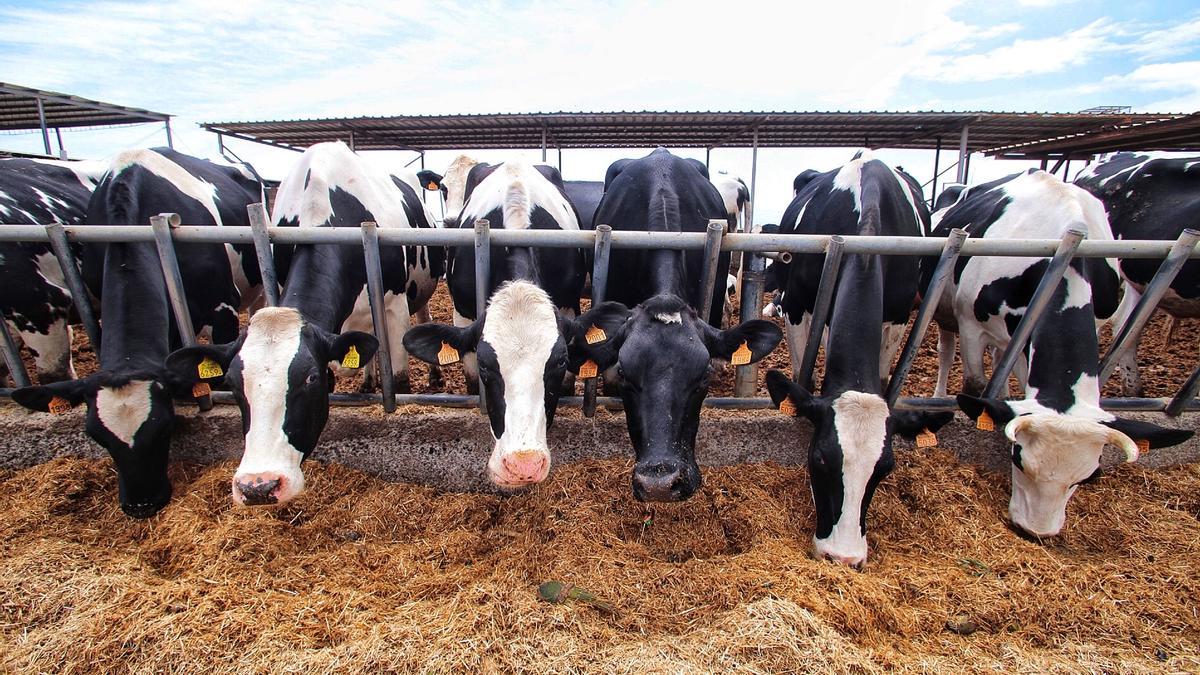
The landscape of livestock farming in the Canary Islands has witnessed a notable resurgence. In 2025, the number of livestock operations increased by 5.1%, jumping from 4,085 to 4,293 establishments. This growth marks a significant turnaround after a decade of decline that saw a 17.2% reduction in operations, according to a recent report from the Canary Islands’ Ministry of Agriculture, Livestock, Fisheries, and Food Sovereignty.
Growth Across the Islands
This rebound was felt across all the islands, with particularly strong growth seen in La Palma, where livestock operations surged by 7.4%. Gran Canaria and Fuerteventura followed closely, with increases of 6.6% and 6.3%, respectively. These numbers indicate a vibrant shift in agricultural dynamics within the archipelago, highlighting the varied potential of each island to contribute to livestock production.
Leading Municipalities
Among the municipalities, Telde stands out as a leader with 271 livestock operations. Not far behind are La Laguna, which boasts 194 facilities, and La Orotava with 165 installations. This clustering of farms suggests that these areas have cultivated a favorable environment for agricultural activities, potentially offering valuable insights for other regions looking to enhance their economic viability through livestock farming.
A Shift in Trends
Narvay Quintero, the Minister of Agriculture, Livestock, Fisheries, and Food Sovereignty, emphasizes the importance of this upward trend. The growth in livestock operations signifies not just a recovery but a reversal of the negative trajectory seen over the previous decade. This shift gives hope to existing farmers and encourages new entrants into the sector.
Promoting Sustainable Development
The government’s commitment to fostering a vibrant livestock sector is evident through its plans to create favorable conditions for both established operations and new initiatives. Quintero’s insights reflect a forward-thinking approach aimed explicitly at consolidating ongoing projects while ensuring that newcomers benefit from a supportive framework.
Focus on Regularization
A core strategy for revitalization is the focus on territorial regularization of livestock farms. This initiative intends to provide legal security for operations that have struggled to access licenses for years. Such security is crucial for modernizing infrastructure and tapping into financial aid programs, which are vital for sustaining growth in the sector.
Achievements in Legalization
During the current legislative period, the government has successfully legalized 38 livestock operations. Further efforts include the forthcoming regulatory framework for agricultural and complementary uses, set to be published after summer. This new regulation aims to unify guidelines and mitigate legal uncertainties, fostering a more streamlined operational environment.
Aiming for Clarity and Competitiveness
Quintero has expressed a clear vision: to establish a more transparent and agile regulatory framework. This concise legislation aims to boost the competitiveness of livestock farming in the Canary Islands and encourage a generational handover of farming practices, ensuring that agricultural traditions endure while evolving to meet modern demands.
The increases in livestock farming in the Canary Islands reflect not only recovery but also transformative strategies aimed at sustainability and growth. The government’s supportive measures are putting the islands back on the map as a viable hub for livestock production, paving the way for future development in this essential sector.