The Historical Shift of Spain’s Capital: From Valladolid to Madrid
On April 6, 1606, a significant transition occurred in Spanish history: the capital moved from Valladolid in Castilla y León to Madrid. This shift marked the beginning of Madrid’s journey to becoming Spain’s foremost city, a status it holds to this day.
The Advantages of Madrid’s Central Location
Madrid’s most compelling asset is its geographical position at the heart of Spain. This central location serves as a unifying factor for a nation often divided by regional differences. In a country where provincial jealousies can spark controversy, having a capital situated in the middle helps mitigate these tensions. Madrid’s role as the political and cultural epicenter of Spain has fostered a sense of national identity, making it a melting pot of diverse cultures and traditions.
The Drawback: A Lack of Water
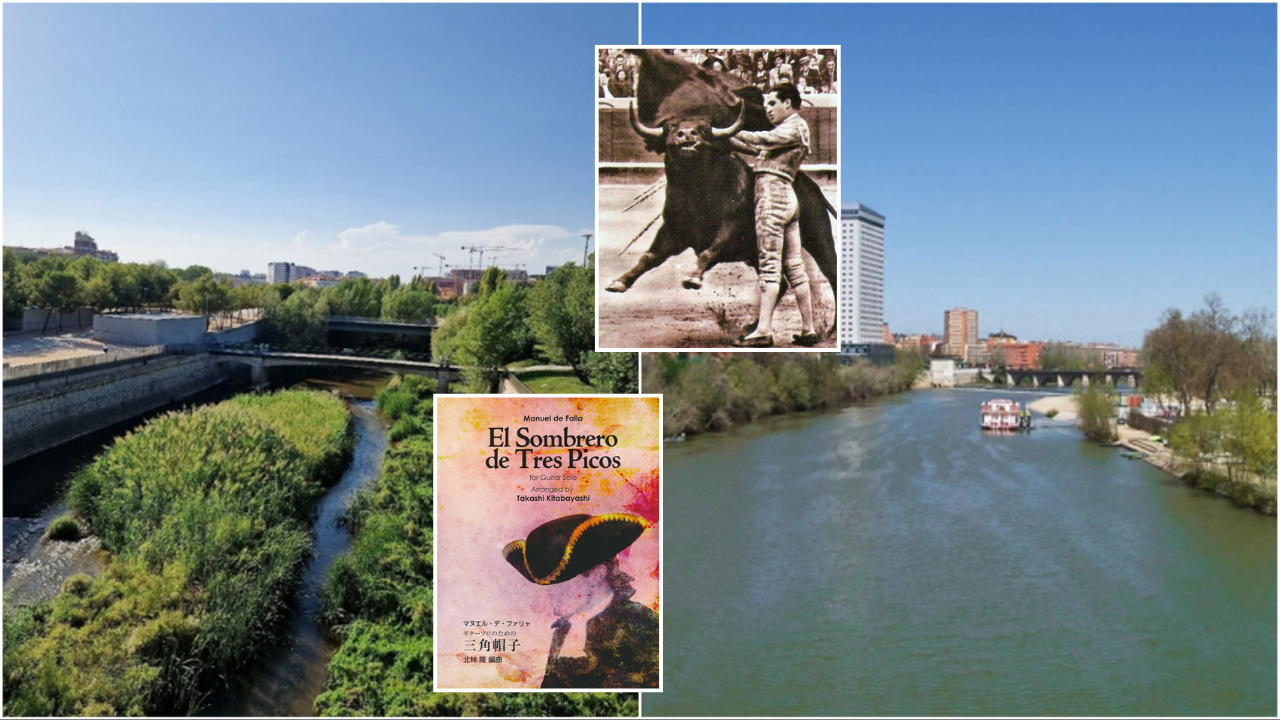
However, Madrid has faced a significant drawback: its scarcity of water. In an age where access to clean drinking water is as simple as turning on a tap, the historical context is quite different. For centuries, people relied on rivers for their water supply. Cities like Paris, London, and New York are built alongside great rivers, which have played a crucial role in their development. In contrast, Madrid’s Manzanares River is relatively modest, lacking the grandeur of its counterparts.
Valladolid: The Former Capital
Valladolid, located about 120 miles northwest of Madrid, was once the capital of Castile and boasted the Pisuerga River, which provided ample water resources. Under King Felipe III, Valladolid enjoyed a brief period as the nation’s capital. However, in 1606, the Royal Court made the pivotal decision to relocate to Madrid.
The reasons behind this transfer are intriguing. Modern researchers have uncovered that the Duke of Lerma orchestrated the move to benefit from a booming property market in Madrid. This strategic maneuver not only shifted the political landscape but also transformed the economic dynamics of the region.
Cultural Milestones: The Three-Cornered Hat
Fast forward to April 7, 1917, when Madrid witnessed the premiere of The Three-Cornered Hat, a ballet that has since become a cultural staple. Set in 18th-century Andalucía, the story revolves around a miller whose wife is pursued by a local magistrate. The ballet, adapted from a novel by Pedro Antonio de Alarcón, was transformed into a musical masterpiece by composer Manuel de Falla. Its flamenco roots resonate deeply with audiences, making it a beloved performance in Spain’s artistic repertoire.
The Legacy of Juan Belmonte
April 8, 1962, marked the death of Juan Belmonte, a legendary figure in the world of bullfighting. Despite his physical limitations, Belmonte revolutionized the art of bullfighting, shifting the focus from brute strength to elegance and artistry. He advocated for fighting younger, smaller bulls, showcasing the beauty of the sport rather than merely its brutality.
His influence extended beyond the bullring; American author Ernest Hemingway recognized Belmonte’s artistry and wrote extensively about him in Death in the Afternoon. Belmonte’s legacy continues to inspire both bullfighters and artists, cementing his place in Spanish cultural history.
The Cultural Fabric of Madrid
Madrid’s evolution from a modest city to the capital of Spain is a testament to its resilience and adaptability. The city’s rich history, marked by significant events and influential figures, has shaped its identity. From the strategic relocation of the capital to the cultural milestones that followed, Madrid has become a vibrant hub that reflects the complexities of Spanish society.
As the city continues to grow and evolve, it remains a focal point for both national unity and cultural expression, embodying the spirit of a nation that thrives on diversity while navigating its historical complexities.