Archaeological Excavations at La Playa de La Calera: Unveiling the Roman Past
The Setting
On November 4, 2024, a significant archaeological endeavor will commence at the Roman site of La Playa de La Calera, located on the islet of Lobos, situated just off the coast of Fuerteventura in the Canary Islands. This systematic excavation campaign, running until November 23, aims to shed light on an ancient world, exploring the rich history of this Roman settlement.
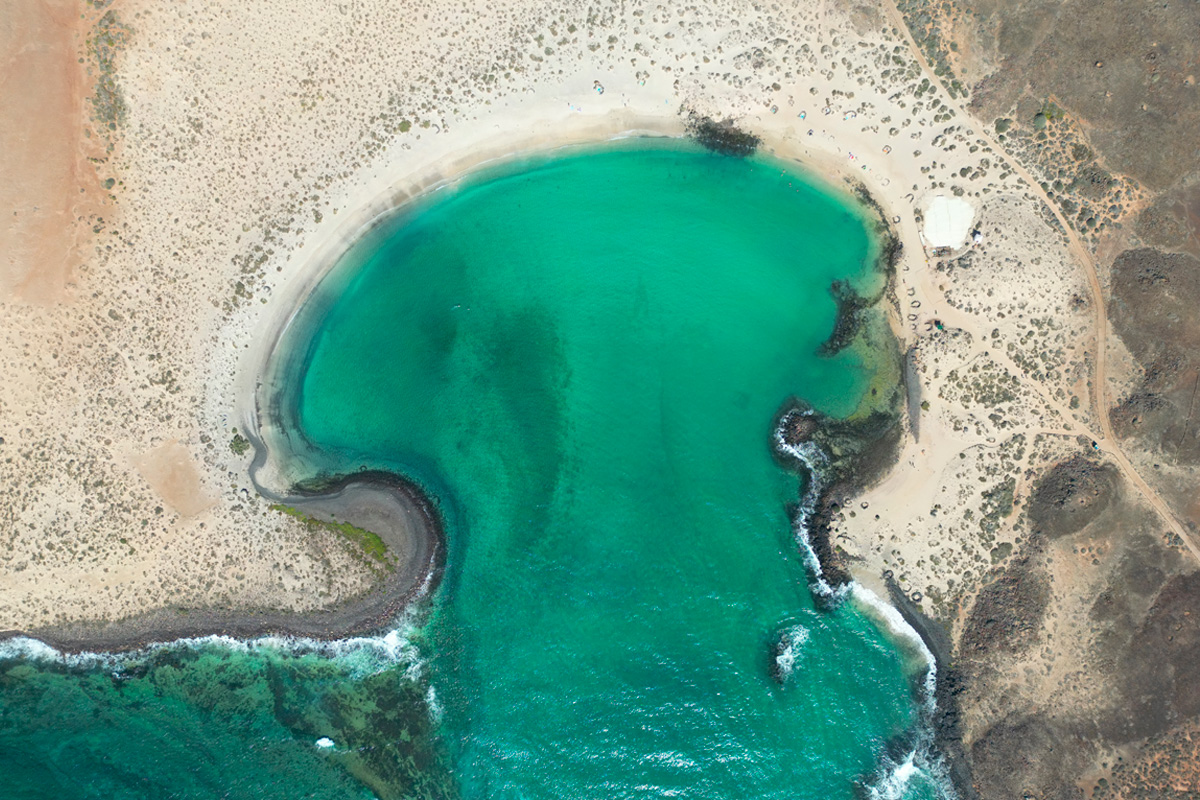
Image Source: C. Medina
Project Background
The current excavation is part of a long-term research initiative that began in 2012, named “Towards the Definition of the Purple Islands.” This interdisciplinary project focuses on the ancient purple dye workshops of Lobos 1, a place of considerable historical significance due to its production of valuable purple dye, a luxury good in the Roman era.
Leading this year’s campaign are notable figures in archaeology: Isidoro Hernández Sánchez, director of the Archaeological Museum of Fuerteventura; Mercedes del Arco Aguilar, curator of the Archaeological Museum of Tenerife; and Carmen del Arco Aguilar, a distinguished prehistory professor at the University of La Laguna.
Objectives of the Excavation
The current excavation will deliberate on areas previously surveyed using Ground Penetrating Radar (GPR). During these surveys, researchers identified anomalies beneath the surface that are thought to be key to understanding the site’s layout and historical significance. A primary aim is to define the nature of these anomalies and uncover the extent of the archaeological features.
In prior work, a 500 m² area has been explored, revealing a late Republican and early Imperial Roman purple dye workshop. This find includes six large production areas called concheros, dedicated to the extraction of dye from marine gastropods known as murícidos.
What’s Being Discovered?
Among the materials unearthed so far are amphorae used for storage, various pottery forms, and specialized tools for purple dye production and marine resource exploitation. The team has also discovered an intriguing collection of ancient refuse, offering a glimpse into the daily lives of the murileguli, the workers engaged in dye production.
These archaeological materials not only enhance our understanding of the site’s function but also provide invaluable insights into the broader economic and social structures of the time.
Collaboration and Support
The excavation efforts receive financial backing through a collaborative agreement between the Cabildo of Fuerteventura and the Autonomous Organization of Museums and Centers of the Cabildo of Tenerife. The project also benefits from logistical assistance from Binter-Canarias, facilitating the inter-island transfer of the research team.
This year’s team comprises a diverse set of professionals, including archaeologists from the involved institutions, paleontologists from the University of La Laguna, and specialists in petrology, geochemistry, and agricultural chemistry. This multidisciplinary approach not only enriches the research but also enables the team to tackle a wide range of questions regarding the ancient site.
Recent Contributions and Publications
The latest findings from this research initiative have garnered attention in academic circles, evident in a recent publication in the journal Spal, which highlights the study of Mortaria discovered among the artifacts at Lobos 1. Such contributions underscore the significance of these excavations in connecting historical narratives with contemporary scholarly discussion.
The Journey Ahead
As the excavation progresses, the research team looks forward to uncovering more about the Roman influence in this region and the complexities of ancient life on the islet of Lobos. The integration of technologies like GPR in archaeology signifies a frontier in the field, unveiling layers of history that had long remained hidden beneath the earth. Through their diligent work, the explorers at La Playa de La Calera continue to illuminate the vibrant tapestry of history that shapes our understanding of the past.