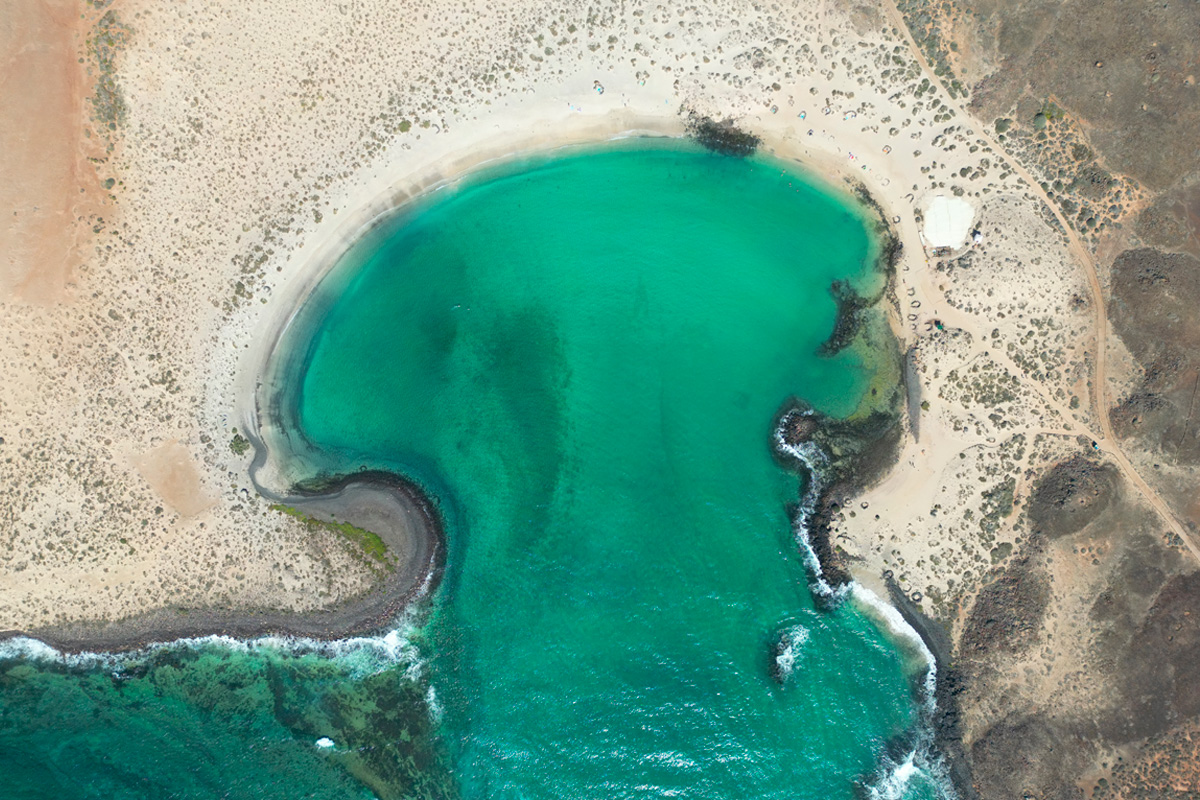
Discovering Lobos: Spain’s First Privately Managed Island
Introduction to Lobos Island
Just off the coast of Fuerteventura and Lanzarote lies a hidden gem: Lobos Island. As of June 2018, this pristine destination has become Spain’s first privately managed, turnkey tourist island. With its protected beaches and vibrant marine life, Lobos is not your typical tourist hub, and that’s precisely its charm.
Environmental Management and Preservation
One of the key aspects of Lobos Island is its strict environmental management. Being a protected territory, it plays host to various conservation efforts led by the private management company Martínez Cano. Their mission transcends simple tourism; they aim to demonstrate how sustainable practices can preserve the island’s natural beauty and biodiversity. This strategy not only safeguards the ecosystem but also serves as an educational model for international visitors, showing how environments can be preserved in a responsible manner.
A Glimpse into Lobos’ Historical Significance
Lobos Island is steeped in history with traces of its past still visible today. Archaeological remnants from the Roman era hint at the island’s significance in ancient trade routes. The famous purple dye, prized by the Phoenicians and Romans alike, was extracted here, positioning Lobos as a key location in the ancient economy. Purple-dyed textiles were not mere fashion statements; they were symbols of luxury and status, reflecting the island’s historical prominence in the production and trade of high-value goods.
A Natural Paradise
Unlike other islands that flaunt hotels and vacation rentals, Lobos is designed to remain a serene enclave. The island invites visitors to immerse themselves in its natural beauty without the distractions often associated with mass tourism. This conscious decision to limit commercial development creates a tranquil atmosphere where one can appreciate the stunning landscapes and diverse wildlife.
The Unforgettable Journey
Visiting Lobos often begins with a ferry ride from La Oliva in Fuerteventura. Once you arrive, the clear waters reveal a mesmerizing underwater world teeming with life. The island’s last permanent residents left in the 1960s, but the essence of the island remains, manifesting in the rich biodiversity and ecological vitality that capture the hearts of nature lovers.
Historical Context
The name “Lobos” derives from the marine mammals that once flourished in its waters. Historical accounts tell of Jean de Béthencourt, who conquered Fuerteventura in 1405 and used the island as a supply base while systematically eradicating the sea lions, leading to the island’s current name. This fascinating backstory serves as a reminder of the enduring relationship between nature and human intervention.
A Model for Sustainable Tourism
Current management of the island is a collaborative effort between Martínez Cano and the Cabildo of Fuerteventura. The contract, while modest at €155,000, serves a much greater purpose, demonstrating that profitability isn’t always the primary goal. This partnership emphasizes the importance of maintaining the island as a natural reserve while still welcoming visitors to enjoy its wonders.
Conservation Efforts
Visitors have the opportunity to engage with Lobos’ natural environment in various ways. The island is equipped with a visitor center, resting areas, and a network of trails—all designed with conservation in mind. Solar energy powers the island’s infrastructure, showcasing a commitment to renewable resources and environmental responsibility.
The Flora and Fauna
Lobos is home to a unique array of flora and fauna, making it a prime location for eco-tourism. The island’s rich biodiversity is a key attraction for those interested in marine life and terrestrial ecosystems alike. Conservation efforts include habitat restoration and the protection of species that are native only to this area. Tourists can expect to encounter varying landscapes that contribute to this rich tapestry of life.
Conclusion
Lobos Island stands as a beacon for sustainable tourism, echoing the past while paving the way for a future where nature and responsible management coexist. Its combination of historical significance, natural beauty, and commitment to conservation makes it a must-visit destination for eco-conscious travelers and history buffs alike. Visitors to Lobos find not just an escape from the hustle and bustle of typical tourist spots, but also a unique glimpse into the interplay between history, ecology, and responsible tourism.