The Modern Eco Village: A New Chapter in Alicante’s Real Estate
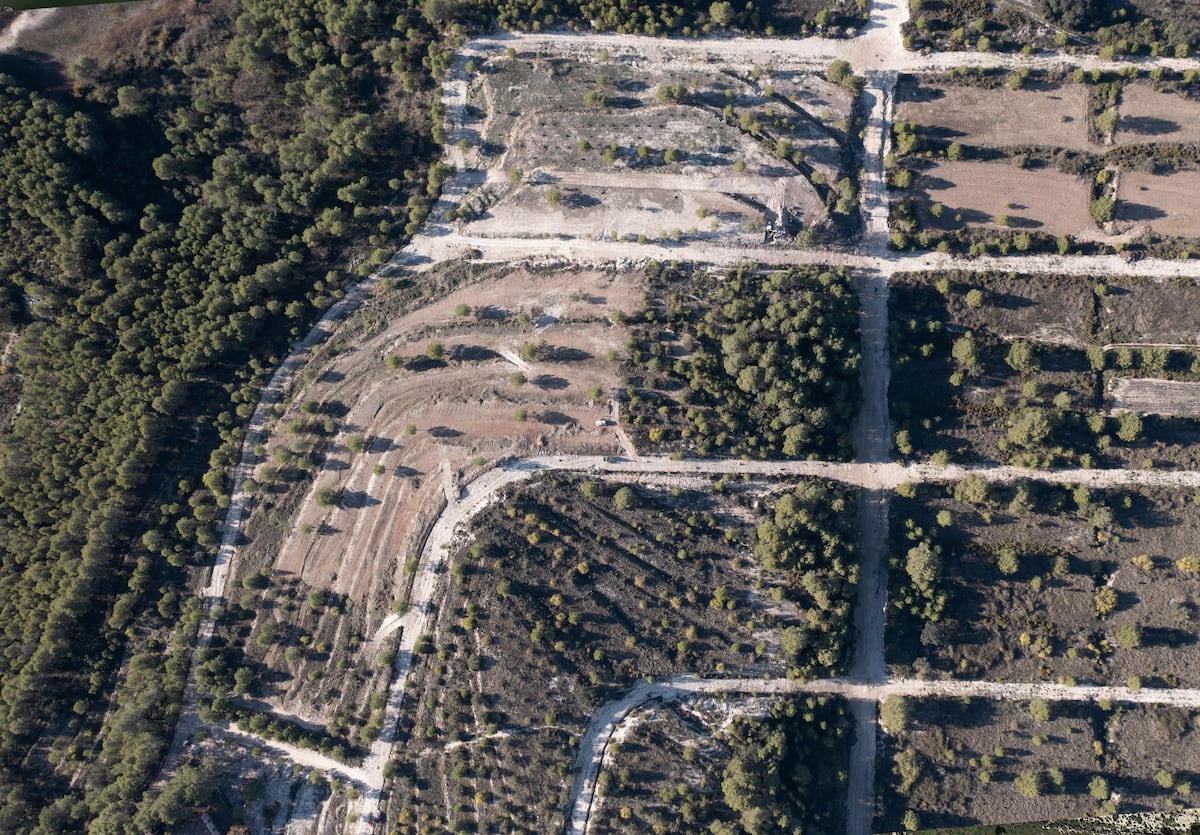
Nestled in the picturesque mountains of Alicante, Spain, a new residential project is taking shape on a sprawling 640,000 square meter (158-acre) tract of land. This ambitious endeavor, known as The Modern Eco Village (MEV), aims to create a self-sufficient community that promises to blend sustainability with modern living. The site, located near the serene Beniarrés reservoir and close to the quaint village of Planes, has a storied past that adds layers of intrigue to its future.
A Historical Context
Originally envisioned in 2006 as La Joya de Planes (The Jewel of Planes), the project aimed to construct 435 homes overlooking the reservoir. However, the economic downturn in 2008 halted progress, leaving the area half-finished and abandoned for nearly 16 years. The land had previously been owned by the family of Esteban González Pons, a prominent politician in Spain’s conservative Popular Party. The rezoning of the area for residential development occurred just before it received protected status in 2007 due to its ecological significance.
The New Visionaries
Fast forward to May 2025, when Belinda Jakobsen, a Norwegian influencer, and her husband Iancu Ilies, a Romanian entrepreneur, acquired the land. Their vision for MEV is to create a community of like-minded individuals focused on sustainability and self-management. With a strong social media presence, they have garnered significant attention, promoting the project as a “smart homes, EMF and toxic-free” living environment.
Project Scope and Features
The MEV aims to transform one bank of the Beniarrés reservoir into a vibrant residential complex featuring approximately 500 homes, including 107 villas and around 350 townhouses. The development will also include ecological parks, farms, sports facilities, a kindergarten, a school, community centers, and a medical clinic. Sustainability is at the core of the project, with plans for solar panels and water recycling systems integrated into the design.
Community and Economic Impact
Marketed primarily to a foreign clientele, the MEV is designed as a custom-built village with private security. The developers have made it easy for potential residents to engage with the project, offering membership for €10,000, which guarantees a spot in the community and locks in home prices. So far, over 30,000 inquiries have been received, with more than 100 individuals from 27 countries already committing to membership.
The project promises to create at least 150 jobs, prioritizing residents of the village while also considering external staff. Local authorities, including the mayor of Planes, Javier Sendra, have expressed support for the development, highlighting its potential to revitalize the area and combat depopulation.
Navigating Bureaucracy
José Manuel Escobedo, the architect behind the MEV, explains that the project is a reactivation of a previously unfinished Integrated Action Program (PAI). The existing properties are properly registered, but the project must now adapt to current legislation, which involves a complex urban planning process. The City Council is expected to review the project soon, with permits anticipated within six months.
Phased Development Timeline
The MEV will be constructed in phases, with the first phase expected to be completed by spring 2027. Initially, 15 homes will be built, including those for the founders and project manager. By the end of the following year, the goal is to expand to 40 homes, with full completion projected by 2030.
Local Perspectives
While the project has garnered enthusiasm from some, it has also raised concerns among local residents. Anna Climent, a member of a local environmental group, questions the implications of adding 500 homes to a village of fewer than 1,000 residents. She emphasizes the need for community dialogue and transparency regarding the project’s impact on local infrastructure and the environment.
Environmental Considerations
The reservoir area is part of the Serpis River Protected Landscape, recognized for its ecological and cultural significance. While the land was rezoned for development in 2004, the environmental implications of such a large-scale project remain a point of contention. Local authorities are tasked with ensuring that the development aligns with environmental protections while also meeting the needs of the community.
Conclusion
The Modern Eco Village represents a bold new chapter in the ongoing narrative of Alicante’s real estate landscape. With its ambitious plans for sustainability and community living, it has the potential to reshape the region while also sparking important conversations about development, environmental stewardship, and community engagement. As the project moves forward, all eyes will be on how it balances these complex dynamics.

