The Renewable Energy Dream of El Puertito de la Cruz: A Journey from Promise to Penance
A Forgotten Giant
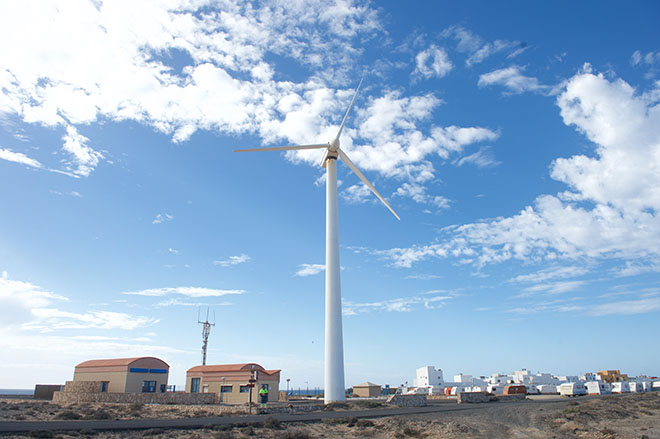
Nestled at the southern edge of Fuerteventura, El Puertito de la Cruz is a quaint locale that once held immense potential for renewable energy. From a distance, a towering white wind turbine, 27 meters tall, stands as a testament to earlier aspirations. However, instead of a gentle whoosh from its blades, visitors are greeted by the incessant hum of a diesel generator—a stark reminder of a dream unrealized. The irony is palpable: this idyllic village, surrounded by the stunning Parque Natural de Jandía, should have thrived on clean energy.
The Trailblazing Project
The wind turbine’s story is one of innovation and promise. Installed in 1996, it formed part of a pioneering initiative that blended wind power with auxiliary diesel engines to meet the fluctuating energy needs of a remote population. For several years, the mixed system boasted impressive statistics; during optimal months, it delivered up to 97% of the community’s energy requirements from renewables alone.
Recognized globally, the project gained accolades at the 2000 World Expo in Hanover, where it ranked fifth among nearly 500 entries from over 120 countries. This pioneering endeavor symbolized a sustainable future for El Puertito, a community isolated from mainstream utility infrastructure due to its protected surroundings.
The Shift to Diesel Dependency
Despite its initial success, the dream fell short. The turbine ceased operations in 2002, leading to the installation of a diesel generator that now consumes between 20,000 and 144,000 liters of fuel annually, releasing over 400 tons of CO2 yearly into the pristine environment. The local government, burdened by maintenance costs exceeding €200,000 per year, finds itself at an impasse: a once-vibrant vision now shrouded in frustration and resignation.
Historical Context and Community Impact
The roots of this ambitious endeavor trace back to 1988, with contributions from various stakeholders, including the Ministry of Industry and local educational institutions. The project, initially focused on wind energy, was intended to enhance the community’s quality of life by providing essential services like water and electricity through environmentally friendly means. However, a combination of technical challenges and mismanagement led to the abandonment of the wind turbine.
Local residents expressed a sense of loss and defeat, longing for the revival of renewable energy. In a striking contrast to past innovations, they now grapple with unreliable diesel power, suffering from frequent outages caused by logistical challenges in fuel management.
Economic and Environmental Cost
The implications of this energy switchover extend beyond mere inconvenience; they have brought significant financial and environmental ramifications. While the local economy struggles to absorb these costs, the carbon footprint of the community continues to rise. Local officials openly acknowledge the absurdity of relying on a system that not only pollutes but also strains community resources.
Conversations around rehabilitating the turbine have surfaced once more, with vested parties—citizens, local government, and environmental agencies—expressing a shared interest in reviving the once-promising project. Yet, the timeline for actualizing this ambition remains uncertain.
Stakeholders’ Perspectives
Input from all sides illustrates the complex dynamics surrounding El Puertito’s future. Community leaders advocate for transparency and collaboration among the various entities involved, while residents share their hope for a future powered by clean energy. Suggestions have emerged from the Institute of Technology of Canarias (ITC), outlining potential upgrades to the turbine system and even seeking European grants to fund these initiatives.
However, the wheel of progress turns slowly. The community continues to voice its frustrations regarding the lack of action, longing for days when their energy came from their wind generation rather than the reliance on costly diesel.
A Community at the Crossroads
As it stands, El Puertito is a microcosm of larger issues faced by many remote areas worldwide: the quest for sustainable energy versus the convenience of traditional power sources. With a small population that numbers around 30 residents officially, but encompassing many more who have ties to the community, the stakes are high for a village that once held the promise of pioneering renewable energy.
Engagement with the public utilities has shown a lack of interest in transitioning back to wind power, leaving residents with few options. The community agrees on one thing: they desire the return of clean energy, even if it means incurring charges for usage—a matter of dignity and independence rather than merely a financial transaction.
Future Prospects
In discussions surrounding how to reinstate the wind turbine, various estimates suggest funding needs of approximately €800,000 to €1.1 million. Local officials remain optimistic, citing reduced municipal debt and a willingness among agencies to revive this pioneering project.
As these conversations develop, the community waits, hoping for renewed attention to the towering windmill—it symbolizes not just energy but a commitment to innovation and sustainability. Amidst the whispers of nostalgia and dreams deferred, El Puertito stands resilient, yearning for the day it can harness the winds again.