Spain’s Controversial Stance on Iran: A Shift in Alliances
In recent weeks, Spain, under the leadership of Prime Minister Pedro Sanchez, has made headlines for its controversial diplomatic maneuvers regarding Iran. The Spanish government has taken steps that many view as a significant departure from traditional Western alliances, particularly in the context of the ongoing tensions between the West and the Iranian regime.
Blocking Military Cooperation
One of the most striking actions taken by Spain was its decision to block U.S. military operations from the jointly operated Rota and Moron bases. These bases have been pivotal for American military efforts in Europe and the Mediterranean, especially concerning operations related to Iran. By denying access to these facilities, Spain has effectively limited the United States’ ability to respond to threats posed by Iran, a nation widely recognized as a primary sponsor of terrorism in the region.
Furthermore, Spain has closed its airspace to American military aircraft involved in operations against Iran, further complicating the West’s strategic options. This move has raised eyebrows among NATO allies, who expect solidarity and cooperation during times of crisis.
Reopening Diplomatic Ties with Tehran
Adding to the controversy, Spain recently announced plans to reopen its embassy in Tehran. This decision comes at a time when Israel is engaged in a multi-front conflict against Iranian-backed groups, including Hezbollah and Hamas. Critics argue that restoring diplomatic relations with Iran sends a confusing message, especially when the U.S. and its allies are working to degrade Iranian military capabilities.
The symbolism of this action cannot be understated. Iran has long been viewed as a destabilizing force in the Middle East, arming and financing groups that threaten regional security. By reestablishing diplomatic ties, Spain appears to be distancing itself from both Washington and Jerusalem, raising questions about its commitment to collective security.
Pressure on Israel
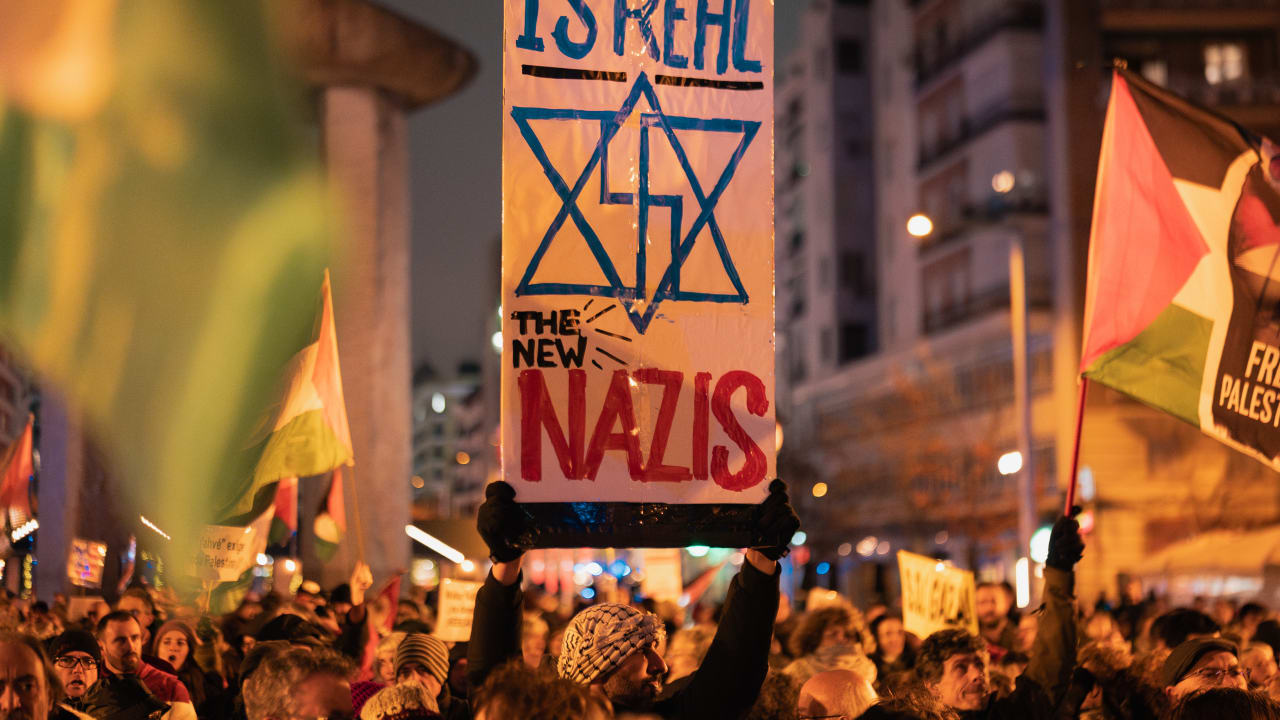
Simultaneously, Spain has intensified its pressure on Israel, calling for the European Union to suspend its association agreement with the Jewish state. This move has been interpreted as part of a broader shift in Spain’s foreign policy, which has increasingly adopted a critical stance toward Israel. The Spanish government has recognized a Palestinian state and made its arms embargo on Israel permanent, actions that have strained relations between the two nations.
Critics argue that this approach represents a profound strategic error. By aligning itself more closely with Palestinian interests while distancing itself from Israel, Spain risks alienating itself from key allies and undermining its own credibility in international diplomacy.
A Pattern of Anti-Israel Sentiment
This recent shift in Spain’s foreign policy is not an isolated incident. The rupture in relations with Israel has been building for months, with Spain’s government adopting increasingly hostile rhetoric. The permanent withdrawal of its ambassador from Israel last month marked a new low in diplomatic relations, signaling a willingness to prioritize domestic political considerations over international alliances.
Spain’s government, led by a fragile coalition that includes hard-left and separatist partners, has been eager to position itself as a leader willing to challenge Israel and push back against U.S. influence. This domestic context is crucial, as Sanchez has found political advantage in adopting a more confrontational stance toward Israel, often framing it as a commitment to human rights and international law.
NATO and Defense Spending Hypocrisy
The implications of Spain’s actions extend beyond its relations with Israel and Iran. As a NATO member, Spain’s decision to limit military cooperation during a significant regional crisis raises questions about its commitment to collective defense. Notably, Spain has been one of the lowest defense spenders in NATO, falling short of the alliance’s recommended spending benchmarks.
Sanchez’s government appears to want the benefits of NATO membership—protection, deterrence, and prestige—without accepting the responsibilities that come with it. This “free-riding” on Western defense while obstructing allied operations against Iran is seen by many as a form of opportunism rather than genuine independence.
Domestic Political Theater
Spain’s foreign policy decisions seem increasingly driven by domestic political considerations rather than a coherent strategy for international engagement. The government appears more interested in using foreign policy as a platform for domestic theater, appealing to its base by adopting a stance that is critical of Israel and the U.S.
This approach has drawn condemnation from various quarters, including pro-Israel advocacy groups within Spain. Many argue that reopening the embassy in Tehran while downgrading ties with Israel reflects a troubling moral vanity, prioritizing posturing over strategic responsibility.
The Broader European Context
Spain’s actions are part of a broader trend in Europe, where some nations have confused rhetoric with genuine diplomatic courage. The tendency to scold democracies while failing to confront authoritarian regimes has weakened Europe’s credibility at a time when unity and resolve are crucial.
As Spain continues to navigate its foreign policy, the implications of its choices will resonate beyond its borders. The decisions made today will shape not only Spain’s international relationships but also the broader dynamics of Western alliances in an increasingly complex global landscape.