Spain’s Independent Stance and Its Growing Ties with Türkiye Amid Global Tensions
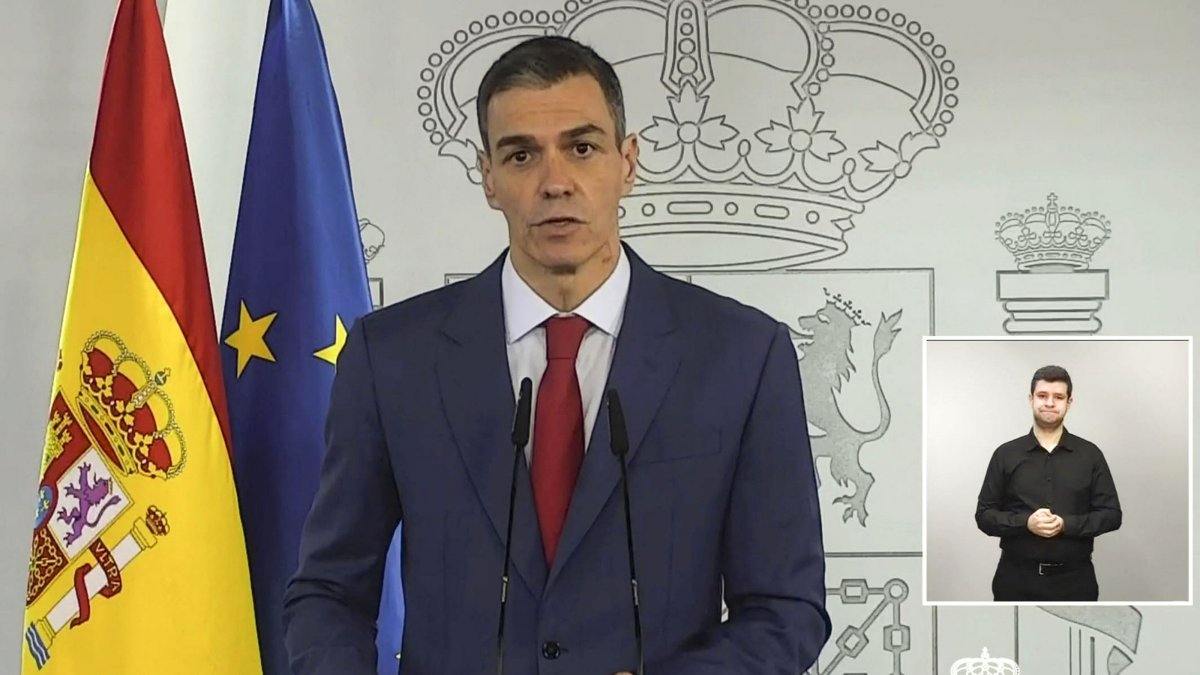
Last week, Spanish Prime Minister Pedro Sanchez captured global headlines with his bold confrontation against U.S. President Donald Trump. This moment was set against a backdrop of escalating tensions, particularly the ongoing war in Iran and the burgeoning friendship between Türkiye and Spain. Sanchez’s announcement that Spain would not support the Iran war independently of the United States is a significant development that warrants closer examination, especially in light of potential shifts in Turkish-Spanish bilateral relations.
Spain’s Independent Political Path
Under Sanchez’s leadership and the Spanish Socialist Workers’ Party, Spain has begun to carve out a more autonomous political identity within Europe. Historically, many Western nations leaned heavily on the U.S. for defense and economic stability. However, Sanchez’s administration is signaling a shift, with European countries increasingly asserting their political independence.
This trend first emerged during the Gaza War and has continued amid the Iran conflict. Notably, Spain stood alone within NATO last year, resisting pressure to increase its military expenditure from 2% to 5%. This refusal underscores a growing sentiment among some European nations to prioritize their own political agendas over U.S. directives.
The Strategic Importance of Spain
Spain’s decision to abstain from supporting the Iran war is particularly noteworthy given its strategic military significance to the United States. Geographically positioned between the Atlantic Ocean and the Mediterranean Sea, Spain is home to critical U.S. military facilities, including Naval Station Rota and Morón Air Base.
Rota serves as a vital hub for U.S. Navy operations, while Morón is crucial for rapid military deployments to Africa and the Middle East. Spain’s reluctance to permit the use of these bases during the Iran conflict can be attributed to its pro-peace stance and the lingering trauma from the Iraq War. Sanchez poignantly recalled the consequences of the Iraq invasion, emphasizing the rise in terrorism and the ensuing migration crises.
Spanish public sentiment has historically leaned anti-war, as evidenced by the massive protests against the Iraq War in 2003. Sanchez’s refusal to support the U.S.-Israel-Iran war, which has already resulted in civilian casualties, may bolster the left-wing coalition’s position in future elections.
Economic Considerations and U.S. Trade Relations
Trump’s threats to sever trade relations with Spain over its refusal to allow military base usage may backfire. The U.S. currently enjoys a trade surplus with Spain, with exports reaching $26.1 billion against imports of $21.3 billion in 2025. This economic interdependence complicates the U.S.’s leverage over Spain, suggesting that aggressive tactics may not yield the desired results.
Moreover, the Spanish government has received strong backing from the European Union in this dispute. Other Mediterranean EU members, such as France and Italy, have also expressed their unwillingness to allow U.S. military operations on their soil. Brussels has firmly stated that any threat against a member state is a threat against the EU itself, indicating a united front against U.S. pressure.
A New Era of European Independence
The evolving dynamics between Spain and the U.S. reflect a broader trend of European nations seeking greater independence. French President Emmanuel Macron has been a vocal advocate for “strategic autonomy,” aiming for Europe to bolster its defense capabilities and reduce reliance on the U.S. This vision emphasizes maintaining alliances while also allowing for independent action during international crises.
Spain is navigating this complex landscape by drawing a clear line between its commitments to NATO and its national sovereignty. The country is pursuing a path that emphasizes cooperation without compromising its decision-making independence.
Strengthening Ties with Türkiye
Amid these geopolitical shifts, the relationship between Spain and Türkiye is blossoming. Historically positive relations have recently deepened, particularly following Sanchez’s firm stance during the Gaza War. His government’s criticism of Israeli actions and recognition of Palestine resonated with Turkish public opinion and government officials alike.
The Iran crisis further solidified this budding friendship. Sanchez’s refusal to support U.S. military operations against Iran has garnered significant appreciation in Türkiye, fostering a sense of solidarity between the two nations. This newfound kinship is reflected in public sentiment, with displays of mutual affection evident on social media and in public demonstrations.
A New Dawn in the Mediterranean
The strengthening ties between Spain and Türkiye could herald a new geopolitical landscape in the Mediterranean. As tensions rise, particularly following military actions in the region, there is potential for a collaborative approach to stability and trade. The possibility of extending maritime agreements to include countries like Algeria and Tunisia could pave the way for a broader Mediterranean corridor, enhancing trade and security.
Recent developments, including military deployments from various nations in response to regional tensions, underscore the urgency of defining strategic positions. The Mediterranean’s rich natural resources are becoming a focal point for geopolitical competition, necessitating strong alliances.
Growing Tensions and Future Alliances
The recent missile strike toward the Greek Cypriot administration has prompted military readiness from several countries, including Spain and Türkiye. This environment of heightened tension is fostering new alliances, such as the proposed “Hexagon Alliance” by Israeli Prime Minister Netanyahu, which could further polarize the region.
As NATO allies grapple with differing stances on the Iran conflict, voices advocating for a reevaluation of alliances are gaining traction. The ongoing war in the Middle East poses risks that could spill over into the Mediterranean, prompting European nations to assert their independence and redefine their geopolitical identities.
In this context, Spain’s leadership is indicative of a broader movement among European countries to reclaim their political agency in relation to the U.S. The evolving landscape suggests that a new era in European geopolitics may be on the horizon, characterized by a quest for autonomy and strategic independence.