The Ministerial Initiative for Immigrant Accommodation in Gran Canaria
On a recent Saturday, the Ministry of Defense introduced a significant measure to address the growing immigration crisis in the Canary Islands. The decision to offer the old facilities of the Canarias 50 Regiment in Las Palmas de Gran Canaria for temporary accommodation of migrants arriving by boat marks an important step in managing the humanitarian situation facing the islands.
Immediate Support for Migrants
According to an announcement from the Ministry led by Margarita Robles, these facilities are now available for the Ministry of Migration’s immediate use. This arrangement is intended to provide urgent relief to the pressing needs arising from the increasing influx of immigrants. The government has emphasized that this initiative will occur without any form of compensation, signifying a direct and proactive approach to a challenging issue.
Legal Transition
In addition to the immediate allocation of the old military site, the Ministry of Defense is advancing legal processes to transfer full ownership of the facilities to the Ministry of Migration. This step is critical not merely for current needs but to ensure a more permanent solution moving forward, thereby streamlining the management of migrant accommodation in the region.
Location and Historical Context
The former headquarters of the Canarias 50 Infantry Regiment is strategically located in the La Isleta neighborhood of Gran Canaria, adjacent to the existing base of the Brigada Canarias XVI. This area has historical significance and is now repurposed to address contemporary humanitarian challenges.
Expanding Facilities for Refugees
This facility marks the fourth location that the Ministry of Defense has made available to address the rising tide of immigration in the Canaries. It joins other military sites, including those in Las Canteras (La Laguna, Tenerife), El Matorral (Puerto del Rosario, Fuerteventura), and the old powder magazine in Barranco Seco (Gran Canaria). Each of these locations serves as a response to the increased pressure on immigration services due to the surge in arrivals.
A Record Year for Immigrant Arrivals
Statistics reveal a dramatic rise in the number of immigrants reaching the Canary Islands this year. As of now, approximately 11,667 individuals have arrived or been rescued from nearby waters, utilizing 431 vessels. This figure represents an eightfold increase compared to the same period last year, underscoring the urgency of the situation.
Historical Comparisons
As 2020 draws to a close, it is poised to become the third-highest year for maritime arrivals in history, following 2006 and 2007, when 31,678 and 12,478 immigrants arrived, respectively. The current trajectory suggests a need for sustained efforts to manage and mitigate future challenges related to immigration.
Recent Developments
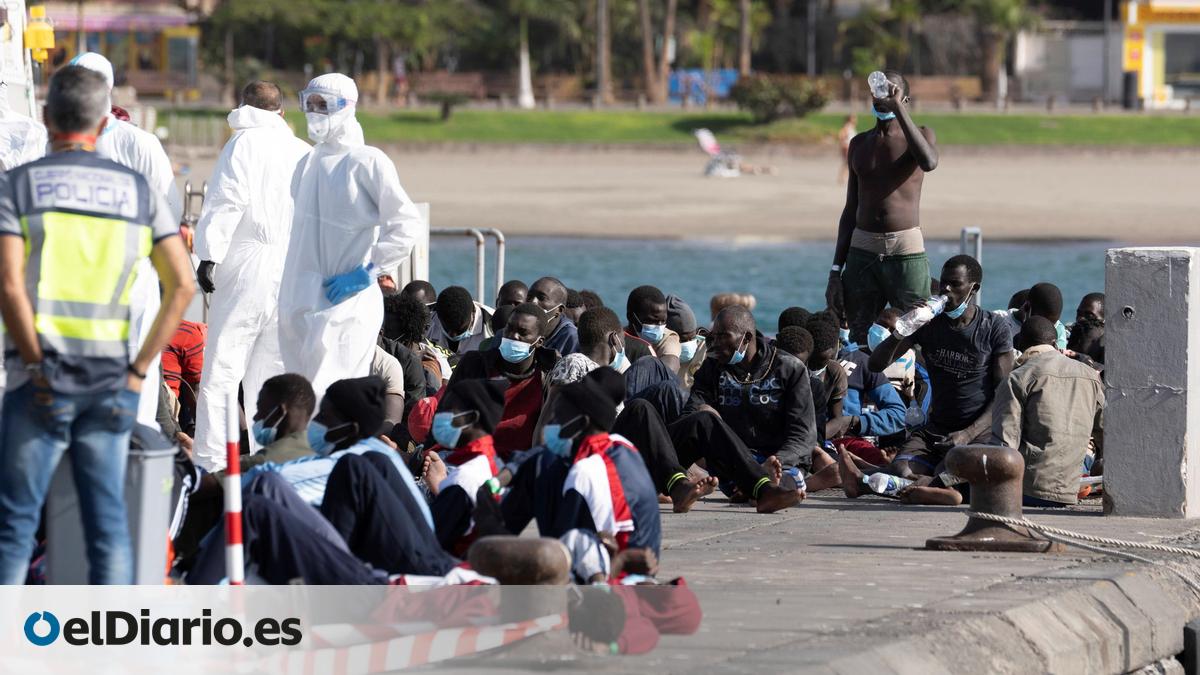
Just this Saturday, there were fresh arrivals, with 81 individuals coming ashore in Tenerife, albeit with the tragic loss of one life. Additionally, 38 people were recorded landing in Gran Canaria, with eight needing immediate medical attention. These events highlight the perilous conditions many migrants face during their journeys and the pressing need for effective support systems.
Call for Support
As the situation continues to unfold, media outlets are requesting public support to maintain high-quality reporting amidst the challenges posed by the ongoing pandemic. Such backing is critical for ensuring that coverage remains robust and informative, catering to community needs during these turbulent times.
For anyone interested in staying informed, options are available to support local journalism directly or to subscribe to updates for the latest developments concerning immigration and community affairs in the Canaries.
The unfolding events surrounding immigration in the Canary Islands stand as a testament to the complexities of humanitarian needs and governmental responses. As the Ministry takes these steps, the path forward requires collaboration and sustained commitment to address the issues faced by migrants seeking refuge.


