Local Corporations and Transparency Disclosures in the Canary Islands
This Saturday marks the debut of the new local corporations in the Canary Islands, an event that highlights the ongoing commitment to transparency within the region’s governance. The latest assessment conducted by the Transparency Commissioner of Canary Islands reveals that the average score for all 88 municipalities and their 99 dependent entities reached a notable 7.37 in 2022. This is a promising increase from the previous year, where the average stood at 7.22, indicating a steady improvement in transparency practices.
Performance of Transparency Portals
Despite this upward trend, not all municipalities are performing equally. Among the 187 public transparency portals evaluated, a concerning 38 did not meet the passing score. Notably, ten municipalities were among this group, including two from Fuerteventura: Antigua and Betancuria. This lack of compliance underscores the varying levels of commitment to transparency across different regions.
Concerns in Fuerteventura
Specifically focusing on Fuerteventura, the local municipalities have seen a decline in their average transparency score, dropping by 0.2 points to 4.41 in the 2021 evaluation compared to 2020’s score of 4.61. This decline raises significant concerns, especially since none of the six municipalities from the island achieved a score above 6 in the latest assessment. The highest score among them was from the Ayuntamiento de Puerto del Rosario, with a score of 5.9.
Struggles of Antigua and Betancuria
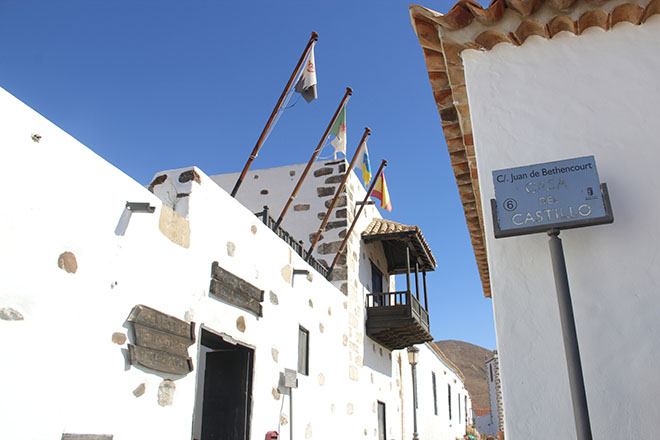
In stark contrast, the municipalities of Antigua and Betancuria recorded alarmingly low transparency scores, which highlight a pressing need for improvement. Betancuria, in particular, has maintained the lowest score not just this year but for the second consecutive year, achieving a dismal 1.37 in the ITCanarias 2021 evaluation. This persistence suggests deep-rooted issues that require urgent attention.
Progress Since 2016
The journey toward transparency has seen some promising developments. Since the initiation of evaluations in 2016, the quality of transparency portals has nearly doubled. In 2016, the average score for local public sector portals was a mere 3.03 points. Following a steady rise, the scores hovered just above 5 between 2017 and 2019. Since 2020, however, these scores have consistently surpassed 7, showcasing notable progress.
Methodology and Community Engagement
Transparency improvements stem from collaboration with local councils and the implementation of a well-structured methodology. All evaluations and methods used have remained unquestioned, instilling a sense of trust and accountability in the process. However, challenges remain in addressing the responsiveness to citizen inquiries, with gaps still evident although gradually narrowing.
Comprehensive Evaluation Landscape
The local public sector comprises 187 entities including municipalities, consortia, public companies, and other bodies. The recent evaluation encompassed 3,161 entities, including 394 public or semi-public organizations and 2,767 companies that received annual grants exceeding 60,000 euros in 2021. This broad scope ensures that a diverse array of public interests are represented in the transparency assessment.
Top Performers in Transparency
Amid the challenges, there are shining examples of municipalities excelling in transparency. Thirteen ayuntamientos, such as Barlovento, Breña Baja, and Las Palmas de Gran Canaria, achieved the highest marks in their transparency portals during the latest evaluation. However, discrepancies remain in their overall performance concerning public access to information, a crucial aspect of transparency that needs addressing.
Areas for Improvement
Furthermore, 17 dependent entities also managed to achieve perfect scores in their transparency portals. Nonetheless, notable gaps exist in certain areas, particularly concerning the right of access; some municipalities have struggled with responses to citizen inquiries and requests for information not initially provided.
The ongoing evaluation of these portals is essential, as it not only serves as a measure of accountability but also as a roadmap for future improvements in governance and service delivery across the Canary Islands.