The Contrast of Investment in Ports: A Tale of Two Islands
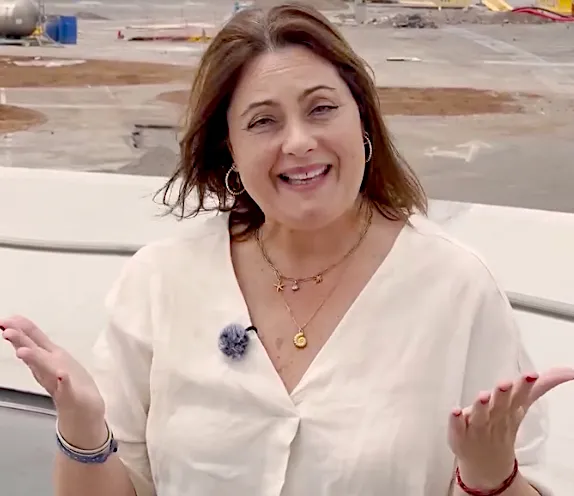
In recent plans unveiled by the president of the Las Palmas Port Authority, a new public park is set to adorn the bustling port of La Luz in Las Palmas. This announcement came in a lively TikTok video, detailing an investment of 40 million euros in the cruise terminal, touted as the largest in Europe. The proposed park will span 11,000 square meters and will include play areas, outdoor sports facilities, and over a hundred trees for shade. Furthermore, an additional 14,000 square meters of green space is also proposed.
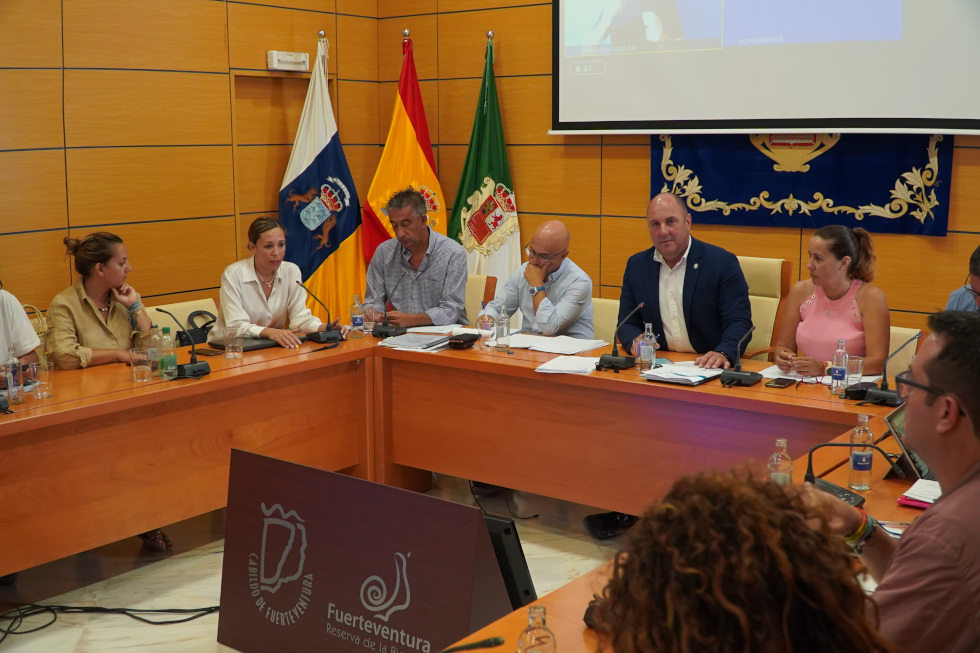
However, the situation is markedly different across the water on the island of Fuerteventura. Here, a simple tent was inaugurated to welcome cruise passengers, drawing much pomp and ceremony, attended by regional and local dignitaries. This tent, reportedly costing 1.2 million euros, has become emblematic of a much larger issue concerning investment and resource allocation across the Canary Islands.
Discrepancies in Investment and Visitor Numbers
It is essential to understand the context in which these investments are made. In 2025, it is projected that Las Palmas will host around 2 million cruise passengers, while Fuerteventura will only see about 451,000. While the numbers suggest a greater influx of tourists justifying the hefty financial commitment to Las Palmas, the disparity raises questions about the prioritization of resources.
For comparison, Lanzarote invested 3.2 million euros into a small terminal. It seems curious that the investment in Las Palmas, being a staggering 40 million euros, significantly overshadows the allocations made for its neighboring islands. Questions arise regarding the responsibility of the Port Authority, which serves not only Las Palmas but the entire province.
A Centralized Approach: The Need for Balance
This scenario illustrates a potentially centralizing approach to governance and resource management in the Canary Islands. As Calzada announces numerous leisure infrastructures for Gran Canaria, residents in Puerto del Rosario highlight a starkly different reality: the lack of adequate docking facilities for fishing boats. This uneven distribution of infrastructure creates a sense of dependency and neglect in Fuerteventura and other eastern islands.
Many voices from these islands are calling for the establishment of a separate port authority, aimed at addressing their specific needs and concerns. The need to foster equitable development and address regional disparities is increasingly becoming a focal point of discussion.
Fishing Routes and Economic Opportunities
A significant concern also looms over the lack of attention given to potential routes between Fuerteventura and Africa. While there might be enthusiasm for new economic connections with Agadir in Morocco, lesser-discussed opportunities for local fishermen remain largely ignored by the Port Authority. The president’s query about what products could be brought in reflects a disconnect between local needs and strategic planning.
As discussions unfold in regional media, many find themselves asking whether the investments in Las Palmas overlook the dire needs of the eastern islands and their communities. How can effective governance be achieved that balances investment, development needs, and equal opportunities for all islands?
The Path Forward: A Unified Vision?
Advocates for a more inclusive approach argue that the investment in Las Palmas should not come at the expense of the developmental needs of other islands in the province. There is a call for a unified vision that ensures equitable distribution of resources and facilities among the islands—from tourist infrastructure to fishing support.
As discussions of regional governance evolve, it becomes increasingly clear that a collaborative approach that empowers all islands may be essential in creating a sustainable future for the Canary Islands—one that reflects the collective needs and aspirations of their diverse populations.
The tales of Las Palmas and Fuerteventura serve as a reminder of the necessity for dialogue and regional partnership in cultivating a balanced outlook for all. The contrasting investments highlight the importance of inclusive development, ensuring that every island’s uniqueness is recognized and nurtured.