PSOE’s Resolution on Democratic Memory in Fuerteventura
Introduction
The Comisión Ejecutiva del PSOE in Puerto del Rosario has recently taken a significant step towards addressing historical injustices. They have approved a resolution aimed at implementing the Law of Democratic Memory within the capital municipality and across the island of Fuerteventura. This initiative highlights the ongoing quest for reconciliation and recognition of Spain’s complex past, particularly in light of the Spanish Civil War, which erupted nearly 89 years ago.
Historical Context
The Spanish Civil War, fought between 1936 and 1939, left an indelible mark on the nation’s history. The conflict split families and communities, and its repercussions are still felt today. With the PSOE’s recent decision, there is a renewed focus on acknowledging these historical wounds and striving for healing through memory and remembrance. The call for action stems from the belief that public administrations are morally obligated to implement measures that can help mend these deep-rooted scars.
The Role of Public Administration
The PSOE firmly believes that public institutions possess the resources and authority to enact meaningful changes that can address the remnants of historical injustices. By taking a proactive stance, they aim to prompt local governments and agencies to work collaboratively on projects that foster an environment of reconciliation. This resolution is not merely symbolic; it underscores the need for tangible actions that resonate with the collective memory of those affected by the civil war.
Addressing Historical Evidence in Fuerteventura
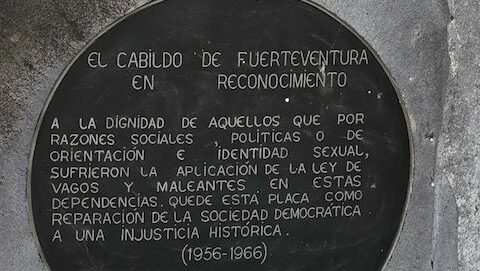
In Fuerteventura, remnants of the past are not just historical echoes; they manifest in physical forms and societal attitudes. The PSOE points out that the island still bears evidence of “the imposition of force”—symbols and markers that represent a troubling legacy. These remnants stand as a stark reminder of a time when fear and oppression overshadowed the ideals of freedom and democracy. The resolution aims to confront these symbols in pursuit of a more normalized and reconciliatory historical narrative.
The Need for Historical Reconciliation
Reconciliation is a core component of the PSOE’s resolution. The party argues that acknowledging the past is crucial for fostering a sense of unity in the present. By addressing the distinctions between “winners” and “losers,” they hope to cultivate an atmosphere conducive to healing. In a region like Fuerteventura, where past tensions may still influence current social dynamics, this purpose becomes even more pressing. The goal is to create a dialogue that transcends divided histories and nurtures shared cultural understanding.
Conclusion
The PSOE’s resolution is a critical step towards reckoning with the historical complexities of Fuerteventura and the broader Spanish landscape. As discussions continue, it remains essential for both local leaders and citizens to engage with these themes. Through collective remembrance and acknowledging historical injustices, the PSOE aims to pave the way for a more inclusive, harmonious future in Puerto del Rosario and Fuerteventura as a whole.