Exploring Rare Earth Mining on Fuerteventura: Satocan’s Ambitious Plans
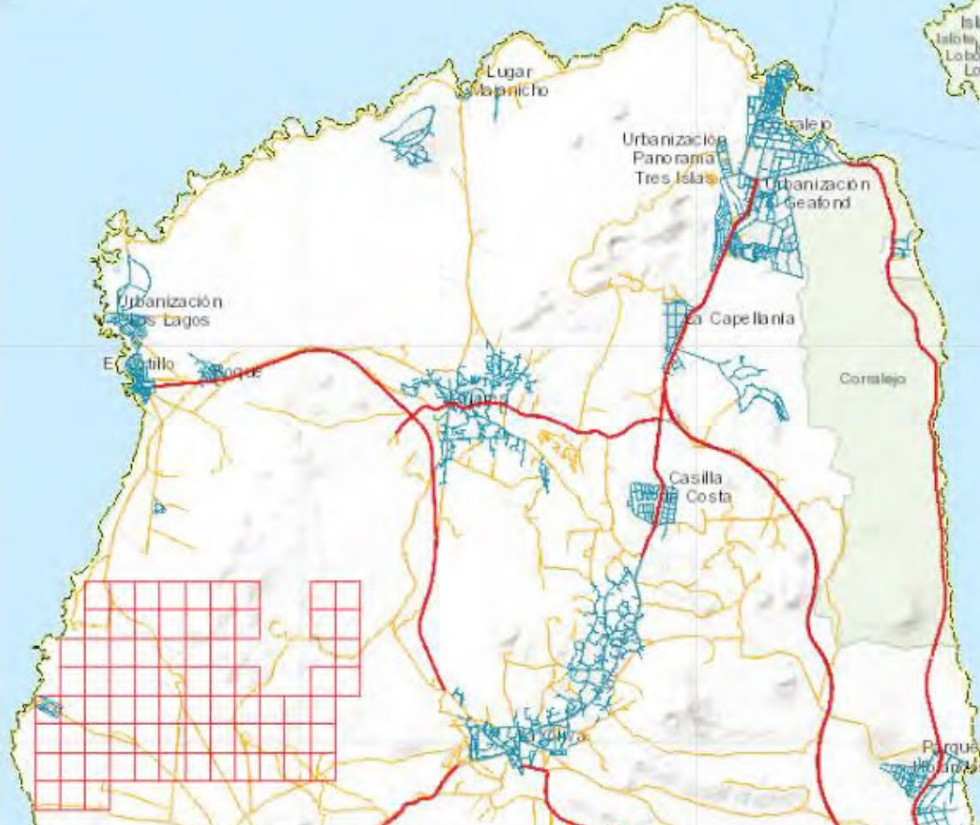
Satocan, a company linked to exploration and mining interests, has recently submitted a request for the third authorization to investigate and potentially mine rare earth minerals in Fuerteventura. This request encompasses a substantial area of 25.07 square kilometers in the municipality of La Oliva, highlighting the company’s serious intentions to tap into the geological wealth of this stunning island.
Understanding the Muley Project
The proposed project, known as the Muley project, includes 75 mining quadrants within the chosen area. According to the documentation provided to the Government of the Canary Islands, Satocan has identified a series of alkaline plutonic complexes with carbonatites, believed to harbor deposits that could be of significant interest to both the company and the broader market for rare earth elements. These minerals are essential in various high-tech applications, from electronic devices to renewable energy technologies.
Addressing Potential Challenges
Despite the promising prospects, Satocan recognizes potential hurdles in obtaining the necessary permissions. One of the main challenges lies in an existing overlapping concession for sand mining in Barranco de Los Encantados. This concession has expired but is currently under renewal consideration. Notably, the Barranco site features geological formations that date back between 215,000 and 342,000 years, classified as a Cultural Heritage Asset (Bien de Interés Cultural) since 2008, recognized for its paleontological significance.
Rich Biodiversity and Protection Areas
The environmental implications of mining activities cannot be ignored. The area in which Satocan seeks to operate also falls within the Special Protection Area for Birds (ZEPA), specifically designated to conserve the rich biodiversity found in regions such as Lajares, Esquinzo, and the coast of Jarubio. The interplay between economic ambitions and environmental stewardship remains a crucial consideration in the project’s future development.
Plans for Exploration and Assessment
Expanding its reach, Satocan’s request could potentially allow it to investigate and mine over 45 square kilometers across the island. The company has outlined a comprehensive three-year program to facilitate this exploration.
-
Year 1 is dedicated to preliminary assessments and geophysical exploration, allowing Satocan to evaluate the area’s mineral potential.
-
Year 2 shifts focus to exploratory drilling and chemical analysis. The core intent during this phase is to extract subsurface samples that undergo rigorous petrographic, mineralogical, and chemical scrutiny. This data will help the company gauge the concentration and value of the sought-after minerals.
-
Year 3 is pivotal, involving an economic feasibility study, an environmental impact assessment, and preparations for potential mining operations. With a budget estimated at 770,000 euros, Satocan aims to determine if the project is sustainable and justifiable from both an economic and ecological standpoint.
The Road Ahead
Should the findings from this exploration phase prove favorable, Satocan plans a methodical approach to transitioning into the operational phase, which would include mineral extraction and processing. This step-by-step development not only reflects a strategic move in resource management but also acknowledges the significant responsibility involved in environmental conservation.
As Fuerteventura continues to balance its natural heritage with the demand for strategic resources, the outcome of Satocan’s exploration remains to be seen. The project encapsulates the tension between sustainable development and the pressing need for technological resources, positioning the island at a crossroads of environmental stewardship and economic opportunity.