The Archaeological Marvel of Yacimiento Lobos I: Unveiling the Past of Fuerteventura
A Glimpse at the Yacimiento Lobos I
Nestled in the picturesque Islote de Lobos, near La Oliva in the Canary Islands, the archaeological site known as Yacimiento Lobos I continues to intrigue researchers and history enthusiasts alike. This location has garnered attention for being one of the most significant archaeological projects in the Canaries, recognized for revealing layers of human history that date back to Roman times. Notably, it challenges existing notions about the early inhabitants of the region, inviting us to rethink our understanding of historical migration and settlement.
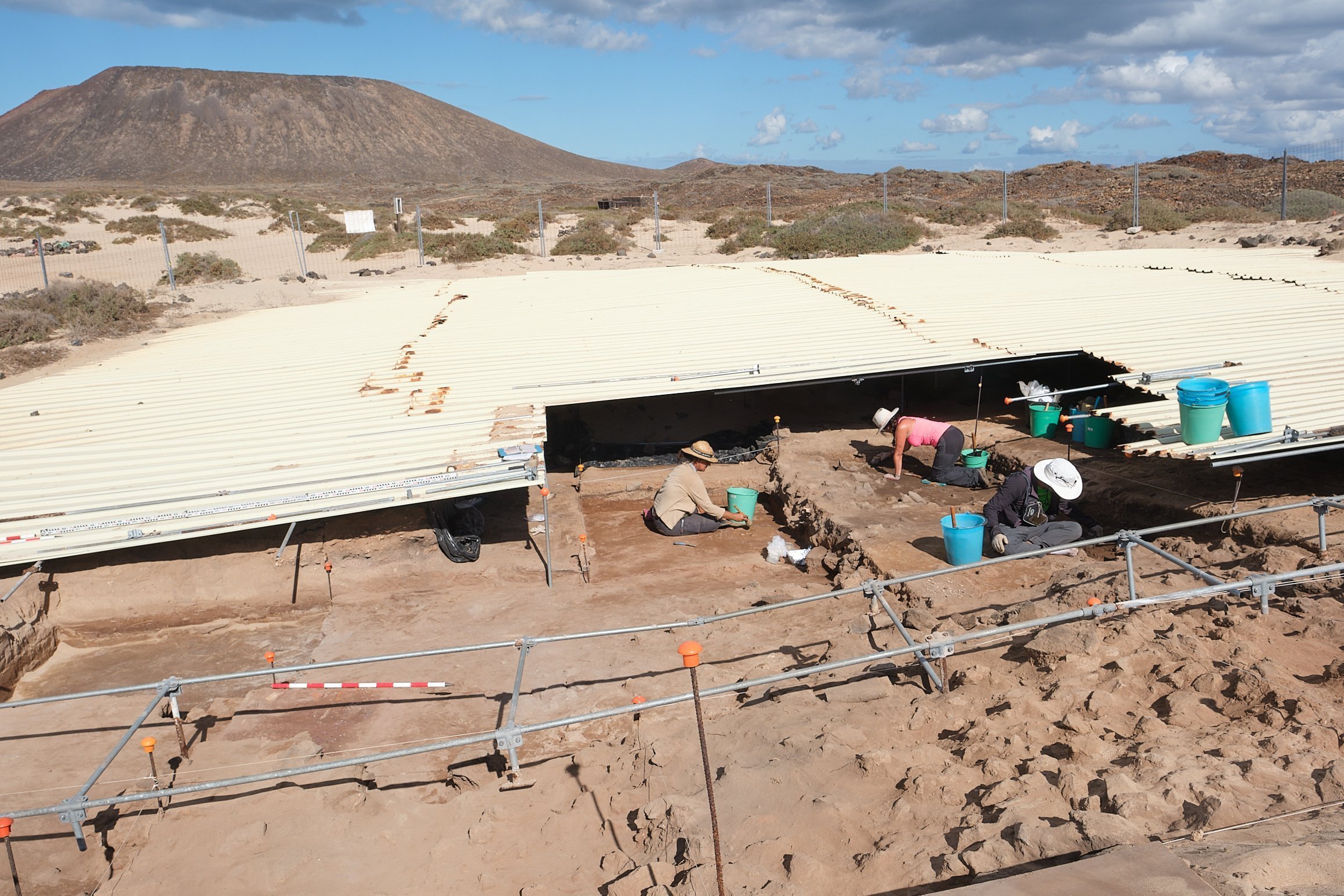
Yacimiento Lobos I (archivo)
The Importance of Continuous Research
The ongoing excavation campaigns, now reaching their tenth iteration, emphasize the importance of continuous research in this area. Isidoro Hernández, the director of the Fuerteventura Archaeological Museum, highlights both the extensive work that has been accomplished and the necessity for further investigation. He states that despite the wealth of information already gathered, there is much more to uncover about the islands of Fuerteventura and Lanzarote.
Hernández refers to Yacimiento Lobos I as “exotic,” a term that aptly captures the unique findings that bear witness to Romanized populations originating from Cadiz. What initially appeared to be a modest site has revealed itself to be much larger and more complex, challenging preconceived historical narratives.
Discoveries That Reshape History
As excavations progress, the discoveries at Yacimiento Lobos I continue to reshape our understanding of ancient civilizations. The artefacts retrieved from the site reveal trade connections, social structures, and cultural practices that were far more intricate than previously thought. Items related to purplish dye production—an industry that held significant economic value in ancient times—have been key findings, reinforcing the notion that Lobos I served as a crucial hub for trade.
Moreover, these findings point toward the interactions between the indigenous populations of the Canaries and Roman settlers, shedding light on the cultural exchanges that shaped the ancient Mediterranean world.
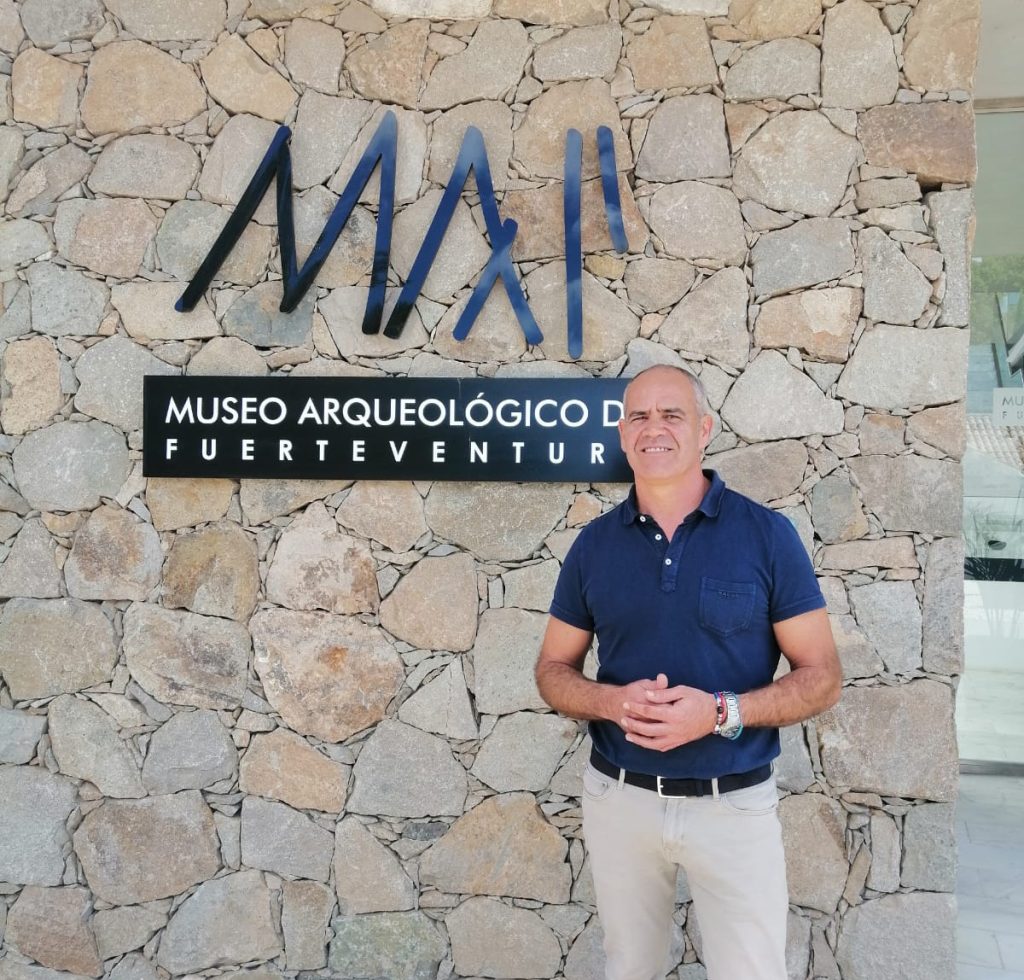
Isidoro Hernández, responsible for the collections at the Archaeological Museum of Fuerteventura
The Collaborative Research Effort
The excavation efforts at Yacimiento Lobos I are not limited to local archaeologists. They are part of a broader initiative that includes collaboration with the autonomous body of Museums and Centers of the Cabildo of Tenerife. This partnership is encapsulated in the research project titled Towards the Definition of the Purpurean Islands: From the Purple Workshop of Lobos I. This multidisciplinary approach not only enhances the archaeological work but also fosters a deeper understanding of the socio-historical context surrounding the findings.
Future Prospects
As more digs are planned, the anticipation grows among scholars and visitors. Each year brings the promise of new discoveries that may redefine historical narratives. The task ahead is not simply about excavation; it involves interpretation and integration of findings into a broader understanding of the region’s past.
In the spirit of discovery, Hernández posits that further exploration in both Fuerteventura and Lanzarote could unveil even more remarkable insights into their shared histories and cultural evolution. While the current focus lies on Yacimiento Lobos I, the potential for more archaeological wonders across the islands is vast.
The journey through Fuerteventura’s past is far from over, and Yacimiento Lobos I stands at the forefront of this exciting exploration, continually inviting us to delve deeper into the tales buried beneath its sands.