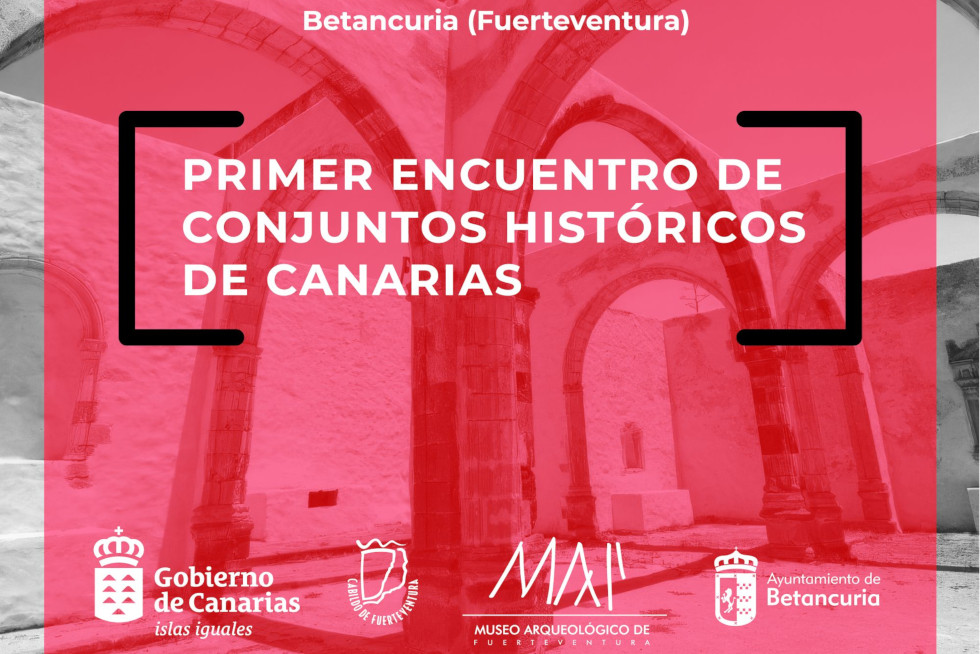
I Encuentro de Conjuntos Históricos de Canarias: Preserving the Past for the Future
The Canary Islands are home to nearly fifty historical ensembles recognized as Cultural Heritage Sites (Bien de Interés Cultural, or BIC). In a bid to analyze their current state and promote collaborative strategies for their preservation and management, the Government of the Canary Islands, alongside the Cabildo of Fuerteventura and the Betancuria Town Hall, is organizing the first Encounter of Historical Ensembles of the Canary Islands. This significant event will take place on June 17 and 18 at the Archaeological Museum of Fuerteventura in Betancuria.
A Platform for Reflection and Dialogue
This encounter is designed as a space for reflection, analysis, and dialogue among specialists in cultural heritage, technical personnel, and public officials. It aims to tackle the most pressing challenges facing these heritage sites and to seek shared solutions based on experiences from other reference territories, both nationally and internationally. The dialogues promise to be engaging, focusing on creating actionable strategies that can be adopted across various regions.
Addressing Contemporary Challenges
One of the primary focuses of the meeting will be on the significant challenges these historical areas confront today. These challenges include the pressures of tourism, the migration of resident populations, the decline of traditional commerce, and the complex administrative hurdles associated with heritage rehabilitation processes. The current landscape necessitates close institutional cooperation to ensure the preservation and revitalization of historical ensembles.
Diverse Perspectives and Expertise
Participants can expect a rich program featuring various thematic panels where professionals from History, Architecture, Urban Planning, Cultural Heritage Management, and Public Governance will share their wealth of experience. The sessions will blend short presentations with open debates aimed at developing constructive proposals for the future of these especially sensitive environments.
Noteworthy contributors will include representatives from historical cities on the mainland, such as Cáceres, Toledo, and Albarracín, alongside renowned municipalities from the Canary Islands that have successfully navigated the challenges of protecting their heritage, including San Cristóbal de La Laguna, La Orotava, and Arucas. This confluence of ideas seeks to facilitate knowledge exchange among local, insular, and autonomous administrations as well as professionals directly involved in the conservation and management of historical ensembles.
Institutional Conversations and Cultural Activities
The closing session will feature an institutional conversation with municipal representatives from across the archipelago who have a wealth of experience in protecting, conserving, and revitalizing these heritage sites. This will underscore a collective commitment to furthering the conversation about heritage stewardship in the region.
The encounter will also feature a culturally rich program designed to highlight the historical significance of Betancuria, the first capital of the Canary Islands. Among the planned activities is a theatrical route through the village led by Pastorcillo Teatro, as well as a concert featuring Julia Rodríguez and Arife Band, offering vibrant cultural experiences to participants and attendees.
Living Heritage in Transformation
As Miguel Ángel Clavijo, the General Director of Culture and Cultural Heritage, eloquently puts it, historical ensembles are not merely relics of the past; they are “living places, inhabited and in constant transformation, where economic, tourism, social, and cultural activities coexist.” This perspective emphasizes the importance of maintaining these sites not only as historical artifacts but as vibrant communities that contribute to the dynamic fabric of modern life.
The Way Forward: A Document of Commitment
In line with the goals of the encounter, Clavijo announces a commitment to produce a final document summarizing the key findings and insights from the discussions. Titled “The Declaration of Betancuria,” this document aims to become an autonomous reference point, encapsulating shared principles, guidelines, and actionable lines for the protection, management, and revitalization of the historical ensembles across the Canary Islands.
Through initiatives like this encounter, the aim is clear: ensuring that the rich heritage of Canarias is preserved for future generations, while also living and thriving in the present. The challenges may be daunting, but with collaboration and shared insights, a path forward can be forged.