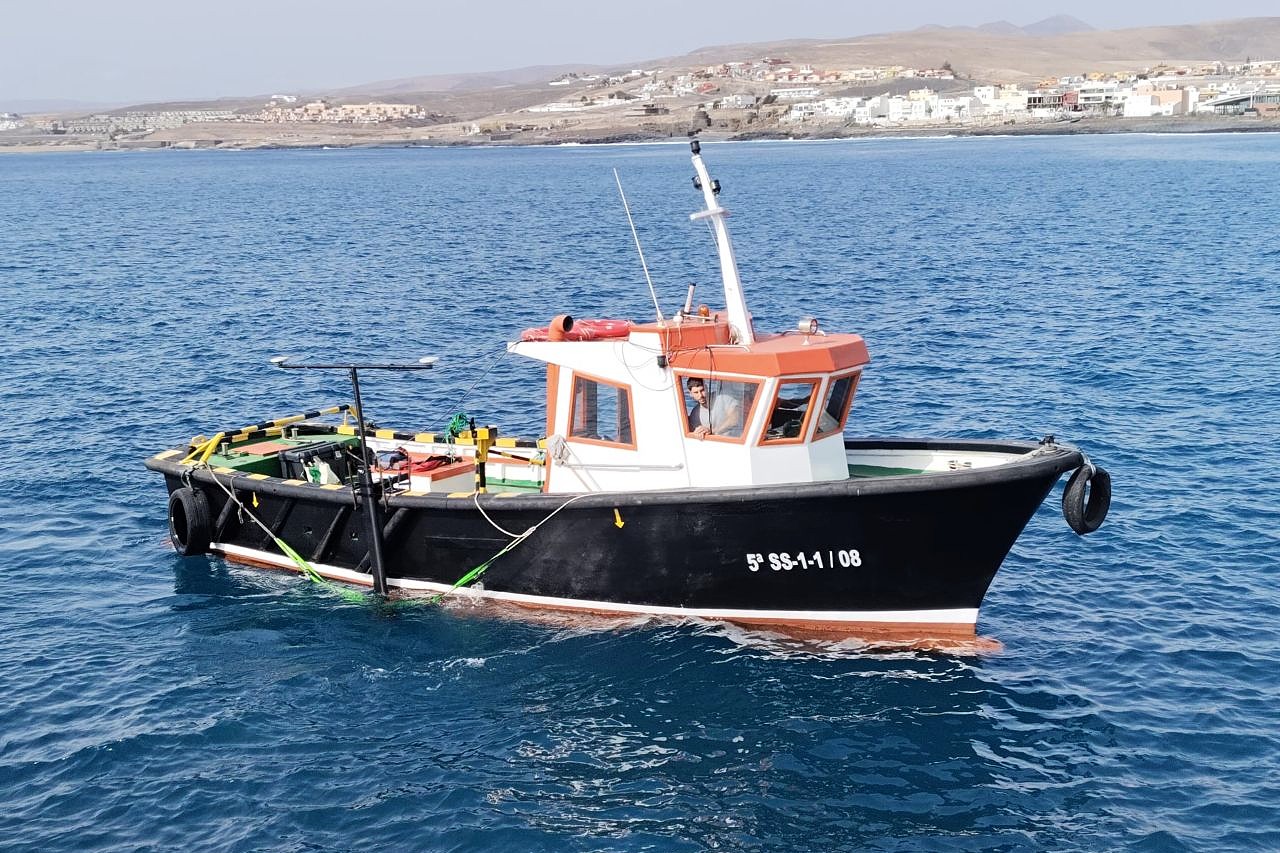
Measuring the Depths: A Vital Environmental Initiative in Fuerteventura
The Canary Islands, renowned for their stunning landscapes and rich biodiversity, are not just a paradise for tourists but also a focal point for environmental protection. Recently, the Government of the Canary Islands, through its Counsel of Ecological Transition and Energy, launched an extensive measurement campaign in the coastal area between Puerto del Rosario and the Las Salinas industrial zone in Fuerteventura. This initiative aims to gather crucial data about the marine landscape, directly addressing the pressing issues of sea-level rise and coastal erosion.
Objectives of the Campaign
The core objective of this campaign is to scrutinize various aspects of the underwater environment. This includes understanding the depth, submarine relief, and the composition of the seabed. Such information is vital for crafting effective adaptation strategies in the face of climate change challenges. Notably, the campaign comprises an analysis of six different areas across the Canary Islands, with a total budget of €111,300 set aside for this endeavor. The broader project, ADAPTACOST6, enjoys a more substantial investment of €2,317,300 to support climate resilience efforts in the region.
Anticipating Climate Scenarios
The data collected from this campaign will enable the creation of high-resolution climate scenarios for the year 2050. These simulations are instrumental in understanding potential future conditions involving floods and erosion, laying the groundwork for planning effective adaptation measures. By generating detailed mappings, the project seeks to prioritize and allocate resources strategically to address these looming threats.
Submarine Mapping in Detail
One of the remarkable outcomes of the campaign is the comprehensive underwater mapping that has been achieved. In an area covering 3.7 million square meters, the team has produced meticulous underwater cartography with a resolution of 25 centimeters. This intricate mapping provides a granular view of the seabed, crucial for understanding how different factors may influence coastal stability over time. Additionally, sediment samples were collected to analyze the texture and characteristics of the substrate, further enriching the dataset needed for future planning.
Critical Infrastructure and Vulnerability
Mariano H. Zapata, the Councillor for Ecological Transition and Energy, emphasized the strategic importance of this area. He pointed out that Puerto del Rosario is home to critical infrastructures, including a thermal power plant and a desalination facility. This urban landscape contains residential areas, such as the El Charco neighborhood, which are particularly vulnerable to the impacts of climate change. The local population’s safety and access to essential services hinge on effective climate adaptation measures.
Zapata articulated the importance of having high-precision scientific information to proactively mitigate risks. By reducing uncertainties, the government can design and implement robust solutions aimed at safeguarding both the populace and essential services over coming decades.
Facilitating Coastal Resilience
As the campaign progresses, the wealth of data accrued will feed into the Canary Islands’ coastal resilience strategy. This strategy’s goal is to ensure against the ever-growing threats posed by rising sea levels and coastal erosion. With the two-pronged approach of collecting detailed underwater data and modeling future environmental scenarios, the Governing body aims to build a resilient framework to protect Fuerteventura’s coastlines.
Collaborative Efforts
These crucial works have been executed by ECOS, Estudios Ambientales y Oceanografía S.L., under the coordination of TRAGSATEC, the entity responsible for overseeing the ADAPTACOST6 project. Field campaigns were conducted from June to August 2025, employing advanced methods such as multi-beam echo sounders, inertial navigation, and motion compensation techniques. These technologies ensure the accuracy and reliability of the results obtained.
The extensive studies in Puerto del Rosario form just one component of the overarching ADAPTACOST6 initiative, which spans multiple regions across the Canary Islands, including La Palma, La Gomera, Tenerife, Gran Canaria, and Lanzarote.
In summary, this proactive environmental campaign by the Government of the Canary Islands is a crucial step towards safeguarding not only the natural beauty of the region but also the very fabric of life that depends on its coastal ecosystems. Through meticulous scientific efforts, they are ensuring that future generations can enjoy the myriad blessings that these islands have to offer.


