Turkey’s Complicated Role in NATO: A Dual Challenge
For over two decades, Turkey under Recep Tayyip Erdogan has been a source of concern for U.S. policymakers. The complexities of Turkey’s geopolitical stance are not merely a matter of its internal politics; they extend into the realm of international relations, particularly within NATO. Erdogan’s government has positioned Turkey as a significant player in the Middle East while simultaneously engaging in activities that challenge Western interests.
Sanctions Evasion and Radical Alliances
One of the most pressing issues is Turkey’s emergence as a hub for sanctions evasion, particularly concerning Iran. Despite U.S. and international pressure, Turkey has facilitated financial channels that allow the Iranian regime to circumvent sanctions. This relationship raises alarms in Washington, as it undermines efforts to contain Iranian influence in the region.
Moreover, Turkey’s growing ties with radical Islamist groups, such as Hamas and the Muslim Brotherhood, further complicate its role within NATO. By providing these groups with political cover and ideological support, Turkey is seen as straying from the values that underpin the alliance. This duality—acting as both a NATO ally and a supporter of groups that oppose Western interests—creates a precarious situation for the alliance.
Turkey’s Strategic Importance in NATO
Despite these challenges, Turkey remains a crucial member of NATO. It boasts the second-largest military in the alliance, after the United States, and plays a vital role in various NATO operations, from the Balkans to Afghanistan. Turkey’s control over the Bosphorus and Dardanelles straits adds another layer of strategic importance, as these waterways are critical chokepoints for maritime traffic.
This dual nature of Turkey—being both a vital ally and a potential liability—has long made it one of NATO’s most complicated members. However, it is not the only nation within the alliance that poses challenges.
Spain’s Shift in NATO Dynamics
In recent years, Spain has emerged as another significant concern for U.S.-NATO relations. Under Prime Minister Pedro Sanchez, Spain has adopted a more anti-American stance, complicating the traditional bonds that have anchored the alliance. While Spain has been supportive of Ukraine in its conflict with Russia, it has simultaneously resisted calls to increase its defense spending to 5% of GDP—a demand that has been echoed by the Trump administration and accepted by other NATO members.
Sanchez’s government has also been vocal against U.S. military actions, labeling them as “illegal” and reviving anti-war sentiments reminiscent of Spain’s stance during the Iraq War. This rhetoric not only distances Spain from U.S. foreign policy but also raises questions about its commitment to NATO’s collective defense principles.
Engagement with China
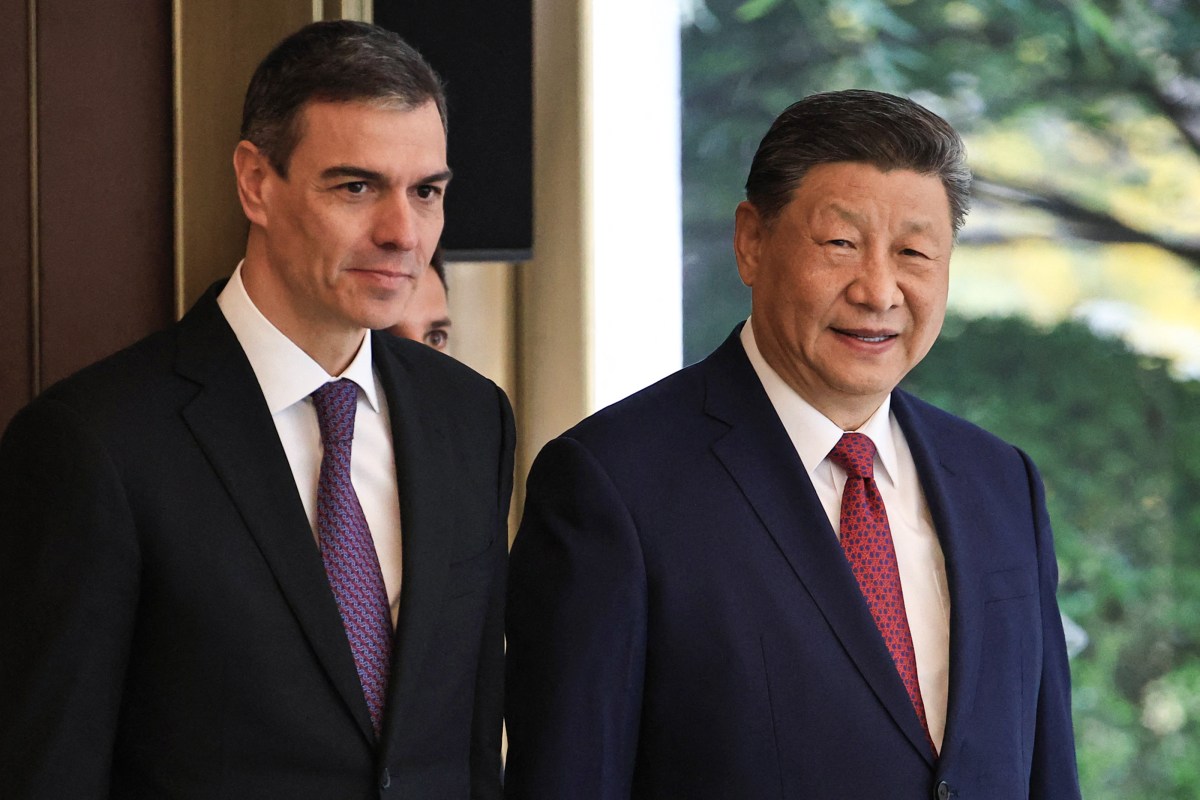
Adding to the complexity, Sanchez has intensified Spain’s outreach to China, taking multiple high-profile trips to Beijing. This engagement has raised eyebrows in Washington, especially as it contrasts with a growing European consensus on the risks of deepening ties with the Chinese Communist Party. By urging China to take a more active role in global affairs, Sanchez risks undermining the transatlantic alliance at a time when unity is crucial.
The Broader Implications for NATO
The challenges posed by both Turkey and Spain highlight a broader issue within NATO: the alliance’s cohesion is being tested at a time when its mission is more critical than ever. With rising threats from Russia, China, and Iran, the need for a united front is paramount. However, the reluctance of some member states to fully commit to collective defense initiatives complicates this goal.
NATO Secretary-General Mark Rutte has been working to bridge these gaps, urging European nations to increase their defense spending and take a more proactive stance. Yet, as he himself has acknowledged, the results have been mixed, leaving the alliance vulnerable.
Conclusion: A Dual Challenge Ahead
As NATO navigates these complex dynamics, it faces not just a Turkey problem but also a Spanish one. The interplay between these two nations and their respective governments will likely shape the future of U.S.-NATO relations. With the ongoing challenges posed by geopolitical adversaries, the alliance must find a way to reconcile these internal conflicts to maintain its effectiveness and unity.