A Journey Through the Nomadic Museum of Photography
In the heart of the cultural revitalization of Fuerteventura, a unique initiative has emerged that seeks to transform the way we experience and engage with the art of photography. This initiative, led by Carmelo Vega, an esteemed researcher and professor of the History of Photography at the University of La Laguna, alongside collector José María Mercader, has birthed the Nomadic Museum of Photography. Unlike traditional museums rooted in physical locations, this innovative concept operates without borders, directly reaching out to communities and individuals who might otherwise feel disconnected from the world of visual history.
The Vision Behind the Museum
The Nomadic Museum aims to democratize access to photographic history. “We want to bring the culture of photography to every corner and every public, including those who typically don’t visit museums,” explains Vega. Inspiration for this project comes from both founders’ extensive private collections and Vega’s decades of research. The museum serves as a platform to extend the classroom beyond academic confines, enabling the public to connect with the rich narrative of photography from the 19th century to the present day.
Innovative Engagement Strategies
At its core, the Nomadic Museum is about creating connections. Rather than opening doors to a physical space, the founders have opted for a mobile, ephemeral display that can adapt to various locations. This approach allows for interactive activities, including exhibitions, workshops, and seminars. The current exhibition, El íntimo secreto de la forma, invites audiences to immerse themselves in the fascinating evolution of photographic techniques while also providing a space for practical learning.
A Look Inside the Exhibition
As the Nomadic Museum rolls into the Casa de la Cultura in Puerto del Rosario this March, visitors can look forward to an engaging journey through photography’s past. The exhibition features an impressive array of historical artifacts, including studio cameras from the 19th century, an extensive collection of Kodak cameras, and surprising formats such as daguerreotypes and ambrotypes—early forms of photography that might be alien to younger generations accustomed to digital imagery.
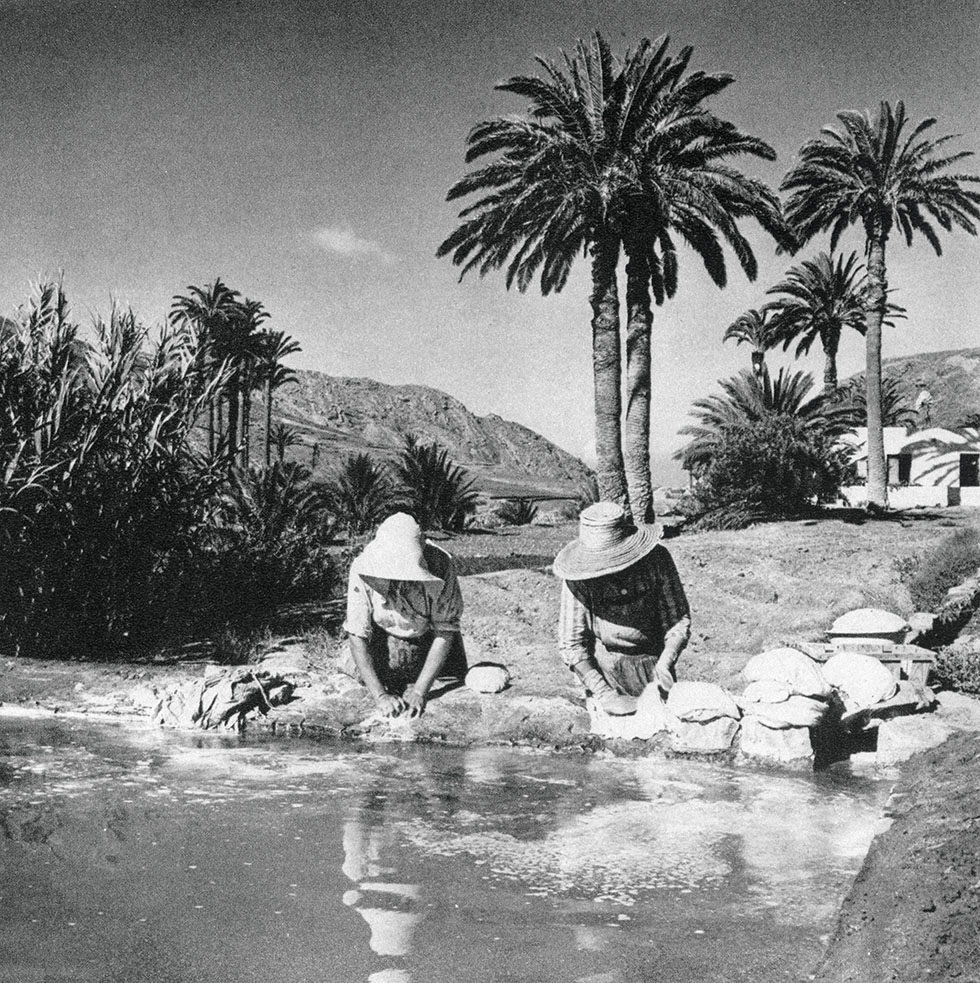
Moreover, visitors will encounter postcards from the 1960s depicting the transformation of the island and its evolving representation in the tourism landscape. These materials not only showcase technical advancements but also shed light on the cultural narrative surrounding Fuerteventura.
Educational Opportunities
The Nomadic Museum goes beyond mere display; it actively engages with its audience through educational workshops and seminars. For instance, participants will have the opportunity to learn about historic photographic techniques firsthand, allowing them to appreciate the technical processes that shaped photography as we know it today. Vega emphasizes the importance of making historical content accessible to younger audiences who may find these early techniques intriguing yet intimidating.
Deepening the Understanding of Photography
Vega points out that examining historical formats is essential for grasping photography’s aesthetic evolution. Different techniques—such as the glass plate process of ambrotypes versus the paper negatives used in calotypes—offer unique visual languages and experiences. The museum aims to present a simultaneous comparison of portraits from 1850 taken in various parts of the world. This initiative will reveal the parallel trends in photographic styles and practices globally, challenging the notion of a singular photographic narrative.
Philosophical Underpinnings
The title El íntimo secreto de la forma suggests a deeper philosophical exploration of photography that transcends technical aspects. It invites contemplation on how images interact with representation and reality. Drawing upon Miguel de Unamuno’s perspectives, the exhibition is not merely a collection of objects; it is an inquiry into the essence of visual storytelling. Vega’s approach encourages viewers to contemplate how photography captures the very fabric of reality—seeking to unveil the hidden truths behind seemingly simple images.
A Showcase of Diverse Talent
The exhibition features a remarkable array of photographers, including Marcos Baeza, Joaquín Marti, Philippe Martin, and many others, each contributing their unique vision to the narrative of photography in Fuerteventura and beyond. The display connects to the broader themes of landscape representation, offering a meaningful dialogue about place and history.
In Closing the Exhibition
El íntimo secreto de la forma will be on view until April 30. Visitors are invited to explore this visual journey, engaging not just with the displayed artifacts but also with the stories and histories interwoven within them. The Nomadic Museum of Photography, in its dynamic and innovative approach, is redefining how we experience photography and its historical context one community at a time. Through this initiative, it becomes evident that photography is not only about the images captured but the connections fostered and the stories told along the way.