Discovering Antigua: The Heart of Fuerteventura’s Agricultural Legacy
A Historical Hub in Fuerteventura
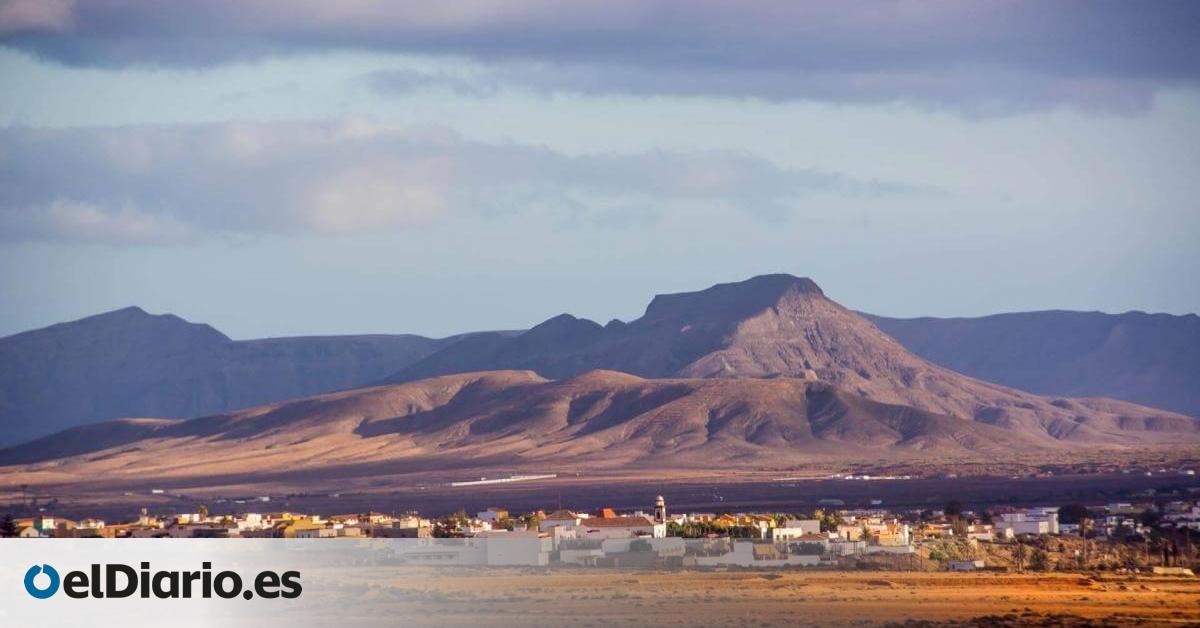
Antigua, located at the heart of Fuerteventura, emerges as one of the island’s most historical and agricultural municipalities. Its strategic position has allowed it to thrive over time, acting as a natural transit point between the ancient town of Betancuria and the port areas of Caleta de Fuste and Pozo Negro. This advantageous location has not only facilitated the exchange of goods and people but also contributed to its significant agricultural traditions. Surrounding Antigua, the fertile lands elevate it as a cultural and agricultural benchmark within the Canary Islands.
Preserving Traditional Island Life
Antigua has successfully retained its rural character, offering a glimpse into traditional island life. The area’s historical and monumental heritage, paired with its abundant natural spaces, reflects the island’s rich history and how its inhabitants utilized available resources. A stroll through Antigua reveals a blend of urban nuclei, historical architecture, and protected natural environments, providing an authentic panorama of Fuerteventura. Key areas highlight the region’s natural beauty, including the Natural Monument of La Caldera de Gairía, the Rural Park of Betancuria, and protected landscapes like Malpaís Grande.
Insights into Daily Life
The architectural structure of Antigua tells a story of daily life from generations past. Narrow streets, inviting plazas, and stone buildings illustrate the workings of an agricultural community. Iconic windmills and salt flats clearly demonstrate how residents adapted their production methods to cope with the island’s arid climate and limited natural resources, ensuring their survival in this challenging environment.
The Symbolic Windmills of Antigua
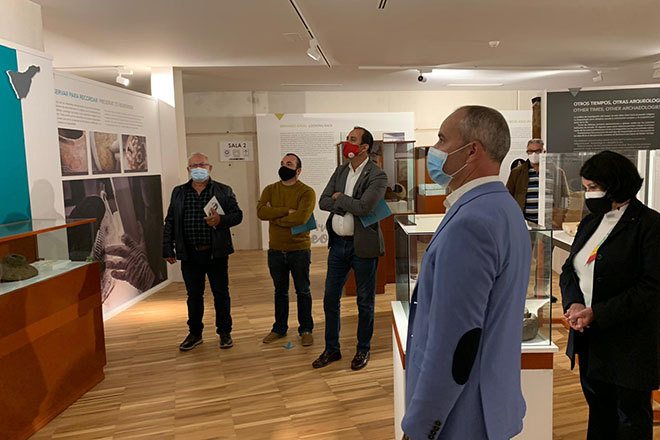
Windmills serve as the most recognizable symbol of Antigua and, by extension, all of Fuerteventura. Dating back to the 18th and 19th centuries, a time when agriculture formed the core of the local economy, Antigua boasts three principal windmills. These include the Molino de La Corte at the village’s entry, the Molino de Durazno, and the fascinating Molino de Antigua, which houses an ethnographic museum and a craft shop amidst a garden adorned with cacti and native plants.
These windmills ground grains such as wheat and corn, essential for producing gofio, a staple food of the island. Their cylindrical stone towers and wooden roofs were ingeniously designed to endure Fuerteventura’s persistent winds, showcasing the adaptability of rural architecture to local climatic conditions. Many of these restored mills are open to visitors, allowing them to appreciate their functionality and historical significance.
The Rich Tradition of Salt Production
On the coast of Antigua, one finds the Salinas del Carmen, the last operating salt flats on the island, covering an impressive 26,000 square meters. Here, salt is harvested through the evaporation of seawater in intricate constructions featuring ten cooking beds and nearly a thousand production squares. The site, declared a Cultural Asset of Interest in 2002, serves as an open-air museum, blending visits to the Salt Museum with outside tours. These experiences illuminate traditional production techniques and the economic significance of salt harvesting in the region.
Nearby, the historic Castillo de San Buenaventura—commonly known as Castillo de Fuste—adds another layer to Antigua’s rich heritage. This 18th-century military structure, built from volcanic rock, was strategically designed to protect the coastline. Its proximity to Antigua allows visitors to explore military history alongside the traditional agrarian heritage of the municipality.
Architectural Wonders and Historic Context
At the heart of Antigua stands the Iglesia de Nuestra Señora de Antigua, a church constructed in the 18th century over an earlier temple. Characterized by its white façade, square bell tower, and wooden roof, this church embodies the region’s traditional religious architecture. It remains a vital gathering place for the community, highlighting local values, and it is a part of a heritage ensemble that includes adjacent windmills and noble stone houses.
The urban structure maintains its original design, with streets and plazas preserving an image of rural life. The buildings reflect not just aesthetic beauty but the organized production and commerce that defined Antigua’s past, highlighting how residents interacted with the harsh island environment.
A Living Museum of Fuerteventura
Antigua melds historical heritage, traditional architecture, and natural resources, offering an insight into authentic Fuerteventura. With its windmills, salt flats, churches, and noble homes, the village stands as a testament to centuries of agricultural life and adaptation to the island’s unique landscape. Visitors can explore a destination where the past and present harmoniously coexist, embodying the essence of traditional island life.
In Antigua, every corner whispers stories of resilience, innovation, and community, inviting all who visit to appreciate its rich legacy.