Uncovering History: The Franciscan Convent of San Buenaventura in Betancuria
The Franciscan Convent of San Buenaventura, located in Betancuria, Fuerteventura, embodies a significant moment in the history of the Canary Islands. Established in 1413, it represents the first conventual mission in the archipelago. Despite its extensive lifespan, which endured until 1823, many aspects of its original structure and its eventual decline remain shrouded in mystery. Recent excavation efforts led by Marco Antonio Moreno Benítez and the team from Tibicena Arqueología y Patrimonio have begun to illuminate this historical enigma.
A Landmark Discovery
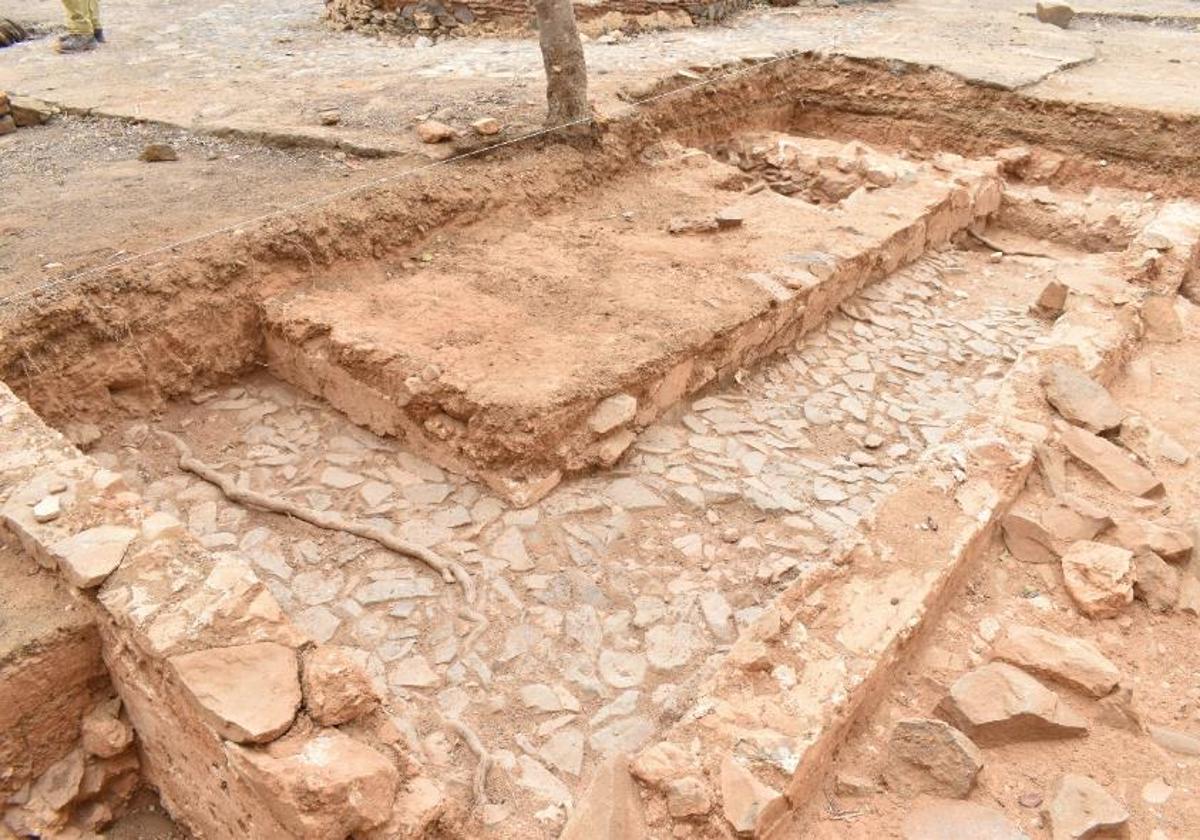
Under Moreno’s direction, the archaeological team achieved a significant breakthrough by identifying and dating what are believed to be the original and most well-preserved walls of the convent, dating back to shortly after the conquest of the Canary Islands. Their findings, corroborated through analyses conducted in laboratories in both Barcelona and Poland, reveal that the church structure was originally built in 1413. This assertion is validated by the dating of the mortar used in its construction, confirming the authenticity and historical value of the remaining ruins.
The Ambitious Recovery Project
In 2018, the Tibicena team, with support from the General Directorate of Cultural Heritage, initiated an ambitious project aimed at recovering a site that initially appeared to offer little of historical significance. Subsequent excavation campaigns, including the most recent in 2022, funded by the Cabildo of Fuerteventura, uncovered vital evidence that has broadened the scope of research into this important historical site.
Chronology of Excavation Efforts
Initial excavations documented the remains of the convent’s cloister and various hydraulic infrastructures within the complex. Additionally, the discovery of human remains challenged long-held beliefs that the church had been completely emptied in the latter half of the 20th century. This surprising find prompted further investigation, revealing more about the church’s historical context and its eventual uses.
The most striking revelations came from the apse of the church, where walls dating back to the 17th century were found. Historical records indicate that this period marked a deliberate separation of the church from the nearby cliff to mitigate moisture problems. This discovery has led to further explorations of other structures that were believed to exist alongside the conventual church, including areas originally thought to be related solely to agricultural activities.
Insights into the Original Structure
The findings from these excavations have provided invaluable insights into the scale and construction techniques of the original convent walls. Marco Antonio Moreno emphasizes that the dating of these remnants supports the identification of the site as containing the original church built from 1413, making it one of the oldest and best-preserved structures from the immediate post-conquest period. This emphasizes the site’s significance not just in local history but in the broader narrative of the Canary Islands.
Future Prospects for Archaeological Interventions
Despite the progress made, the team at Tibicena acknowledges that much work remains. There is an urgent need for a comprehensive archaeological intervention plan that will enable them to continue the project and ultimately enhance the visibility and understanding of this historically rich site. The intricate nature of the site demands a long-term approach that transcends current expectations, including potential collaboration with the diocese and the site’s owners to ensure the preservation, conservation, and public exhibition of these archaeological remnants.
The return to this historical site not only enriches our understanding of Fuerteventura’s past but also marks a continuing journey into the depths of its cultural heritage. The ongoing research and discoveries at the Convent of San Buenaventura underscore a growing appreciation for the historical significance of the region, inviting both scholars and visitors alike to engage with a piece of history that has shaped the identity of the Canary Islands.