Proactive Measures for Tourist Sector Resilience in Fuerteventura Amid Geopolitical Challenges
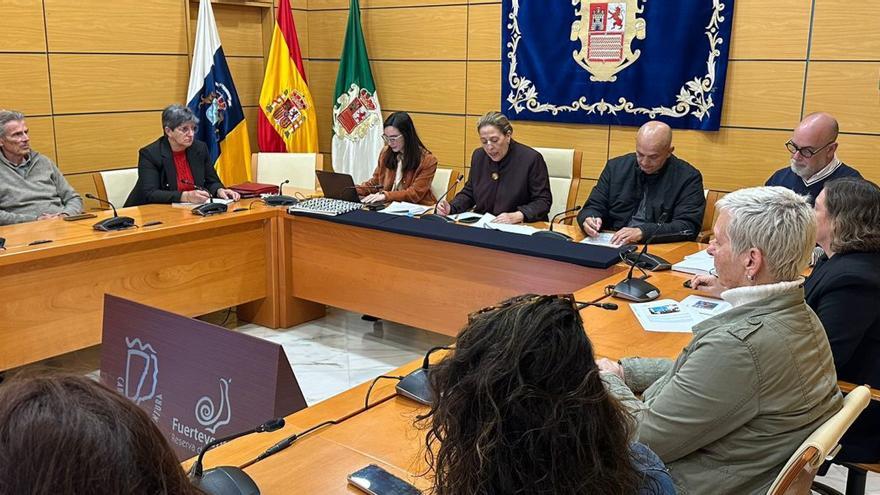
The Patronato de Turismo de Fuerteventura has underscored the urgent need for measures to shield the local tourism sector from the economic repercussions of the Middle Eastern conflict. Noting the stakes involved, Marlene Figueroa, the island’s Tourism Councillor, highlighted the importance of immediate action during the latest meeting of the Patronato’s Governing Council. The consequences of geopolitical tensions can reverberate profoundly within the tourism sector, impacting everything from visitor numbers to operational costs. In this context, Figueroa’s proactive stance signals a commitment to safeguarding an industry that forms the backbone of Fuerteventura’s economy.
The Impact of Global Conflict on Tourism
Figueroa recalled that the onset of military conflict on February 28 coincided with the international ITB Berlin Fair, a critical platform where global operators expressed concerns over potential disruptions to tourist inflows and pricing structures. The apprehensions voiced at this prominent travel fair reflect a burgeoning anxiety surrounding global tourism management in the face of instability. Operators urged destinations, including Fuerteventura, to take initiative in implementing preventive strategies to navigate the turbulent times ahead.
Fuerteventura’s immediate response involved coordinated efforts with international operators through the Patronato de Turismo. The main goal: to mitigate economic impacts of what has been termed an “illegal war” and to preserve jobs on the island, described by Figueroa as a “territory of peace.” By fostering direct communication and engagement with tourism stakeholders, the administration aims to fortify the island’s tourism resilience.
Economic Safeguarding Amidst Rising Costs
One of the central concerns raised during discussions is the looming threat of inflation and rising fuel and transportation costs, particularly in the Canary Islands. Figueroa stressed that decisive measures must be put into place to protect both the tourism sector and the associated employment it offers. The interplay between global economic fluctuations, fueled by geopolitical events, often has localized consequences that can disrupt livelihoods within vulnerable economies reliant on tourism.
As the situation evolves, maintaining transparency and proactive engagement with both local and international tourism operators will be crucial. The potential ramifications of external economic factors on businesses and jobs cannot be overstated; hence, efforts to cushion the impact are a priority now more than ever.
Quality Assurance and Sustainable Tourism Growth
In a positive spin, the Patronato’s Governing Council also shed light on the successful integration of over 50 businesses into the Sicted (Sistema Integral de Calidad Turística Española en Destinos), receiving certificates of quality from the Ministry. This initiative not only showcases the island’s dedication to tourism excellence but also emphasizes a commitment to sustainable practices that prioritize quality over quantity in tourism growth.
Lola García, President of the Cabildo de Fuerteventura, highlighted the significance of Sicted membership, noting that it is not merely a certificate but a mark of commitment to sustainable tourism. Businesses that earn this recognition demonstrate a proactive approach to enhancing visitor experiences while also supporting environmentally responsible practices.
Emphasizing Sustainable Practices
Fuerteventura’s aspiration for sustainable tourism is crucial given the evolving expectations of modern travelers. More tourists today seek experiences that contribute positively to the local environment and communities. By focusing on sustainability, the island attracts visitors who are increasingly discerning about the impact of their travel choices. This, in turn, supports long-term economic stability and aligns with global trends towards responsible tourism.
The Need for Continued Vigilance and Adaptation
As the tourism landscape continues to grapple with uncertainties driven by geopolitical conditions, the capacity for regions like Fuerteventura to adapt becomes paramount. Employing strategic planning and fostering a resilient tourism framework enables the island to not only withstand potential shocks but to emerge stronger.
In summary, Fuerteventura’s proactive initiatives, led by its Tourism Patronato, not only respond to pressing global challenges but also pave the way for a more sustainable and resilient tourism future. Engaging stakeholders, prioritizing quality, and protecting local employment will be crucial elements as this beautiful island navigates the complex waters of the current global landscape.