The New Political Landscape: Socialist and Canary Coalition Agreement in Fuerteventura
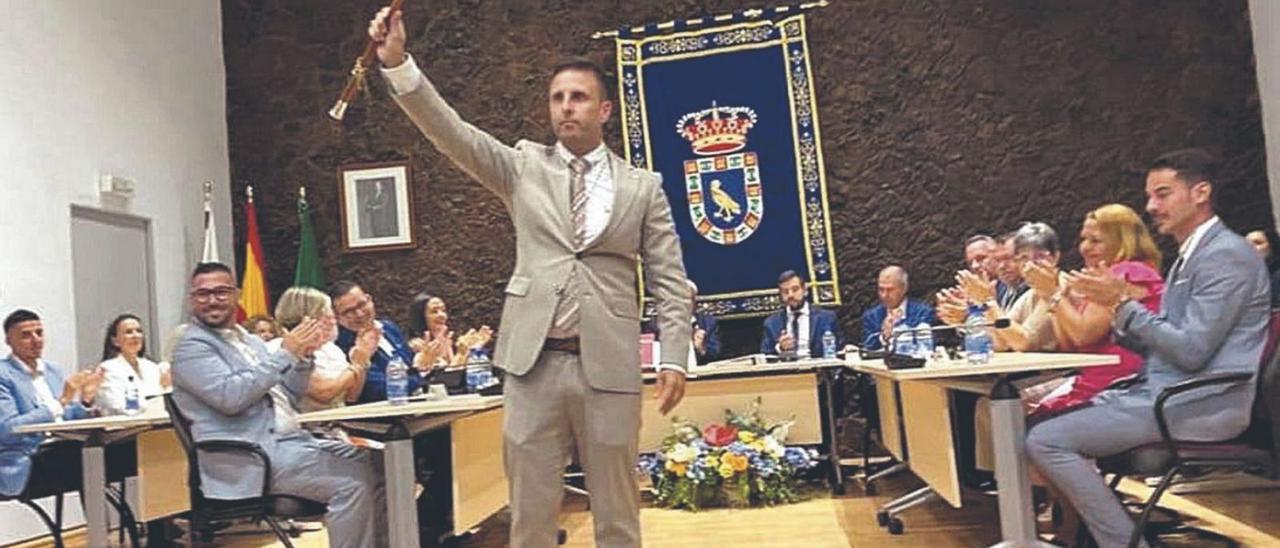
The recent alliance between the Socialist Party (PSOE) and the Canary Coalition (CC) in Fuerteventura has revolutionized the political dynamics in the islands, marking a significant shift in governance across several municipalities. This partnership, sealed just days ago, has led to the Socialist Party and the Canary Coalition establishing control over four of the six municipalities in Majorera. As five new mayors and one mayoral woman officially took their oaths of office without incident, this new political landscape warrants a closer examination.
The Coalition Agreement
The unexpected collaboration between PSOE and CC has been a game-changer for the governance of Fuerteventura. Initially, many anticipated a coalition involving the Popular Party (PP) and the Canary Coalition. However, the decisive agreement between PSOE and CC has solidified their control over key municipalities including Puerto del Rosario, La Oliva, Pájara, and Tuineje. Interestingly, this shift was only countered in the municipalities of Antigua and Betancuria, where nationalistic forces deviated from the prevailing trend of this alliance.
Key Municipalities and Leadership
Puerto del Rosario
In Puerto del Rosario, the capital of Fuerteventura, the political scene saw a surprising turn when the seven council members from David de Vera’s CC coalition, combined with the four members from PSOE, led him to assume the mayoralty. The previous administration had also been a multi-party coalition, but the new PSOE-CC alliance is likely to have impactful ramifications for the governance and future development in Puerto Cabras, fostering a heightened level of bureaucratic creativity and collaboration.
Pájara
In the significant tourism hub of Pájara, Alejandro Jorge of the Socialist Party will be steering the administration, thanks to the alliance as well. This municipality is crucial not just for its economic contributions but also for its abundant natural resources and attractions, and the governance here under Jorge’s leadership is expected to reflect developmental priorities aimed at sustainable tourism and community welfare. Opposition parties, including JXP-NC, AMF, and PP, will undoubtedly challenge this new administration’s strategies moving forward.
Betancuria
Conversely, in the historical municipality of Betancuria, Marcelino Cerdeña from Unidos por Betancuria continues to hold the reins with an absolute majority. This contrast underlines a significant divergence from the alliance pattern seen elsewhere, as Cerdeña’s administration disrupts the otherwise harmonious nature of the CC-PSOE partnership, promising a more autonomous approach to local governance. His continuing leadership reflects not only his personal popularity but also the longstanding traditions embedded in this historical site.
Antigua
Antigua’s leadership narrative offers a unique case, with Matías Peña from Alternativa por Antigua stepping into his second term as mayor. Despite needing only two council votes for a simple majority, he secured three, thanks largely to recent political negotiations. The triad coalition involving ALxAN, Asambleas Municipales, and PSOE heralds a revival of previously established cooperative efforts, pointing to continuity within local governance dynamics.
Tuineje
In Tuineje, the electoral success of the PP, governed by Esther Hernández, posed predictable challenges for local political collaboration. Traditionally a stronghold for the PP, the dynamics shifted significantly this time. Instead of joining forces with the PP, the Socialists aligned with CC, giving Candelaria Umpiérrez the unique distinction of being the only woman elected as mayor yesterday. This partnership symbolizes a shift towards prioritizing collaborative governance despite the contentious political histories in this area.
La Oliva
La Oliva presents an example where historical political arguments have complicated governance prospects. Following the election results from May 28, CC and PSOE have formed a working government with Isaí Blanco, a recognized nationalist, now taking the helm. The intricacies of previous political tensions may present hurdles, but the coalition aims for stability in a municipality that attracts numerous tourists each year.
Results from the May 28 Elections
The recent election on May 28 served as a crucial milestone in shaping the political map of Fuerteventura. As the newly minted coalitions began to take shape, it unveiled a clearer picture of how each party intends to address the local issues at hand. Various electoral results can be explored further, including the performances across regional elections, municipal elections, and the cabildos.
The newly formed alliances and subsequent leadership changes will likely resonate through the streets of Fuerteventura, influencing policies that impact everything from tourism to local community initiatives. The following months will be critical for assessing the implementation and effectiveness of these new governance structures. As the dust settles from this significant political shake-up, the people of Fuerteventura will be watching closely to see how their elected representatives deliver on their promises.