The Journey of Reiner Loos: A Photographic Odyssey in Lanzarote
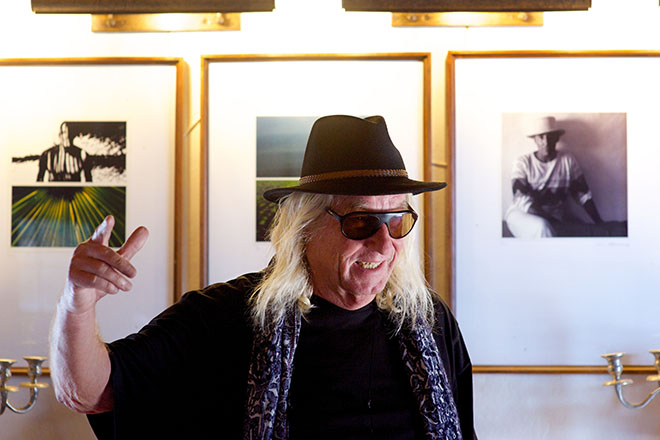
In 1976, Reiner Loos and his inseparable friend Luis J. Soltmann arrived on the shores of Lanzarote, a moment that would irrevocably shape their futures. Young at just 26 years old, Loos was no stranger to exploration, having already traversed the vast expanses of the Sahara, Algeria, Niger, Chad, Mali, Morocco, and even the urban jungles of Chicago, Las Vegas, and New York. With adventurous spirits and a shared desire for discovery, they saw Lanzarote as a blank canvas, a place where they could both capture beauty and live freely.
The Dream That Sparked a New Life
Loos, fresh from his photography studies, felt an undeniable pull towards Lanzarote when he placed his finger on the map. “Luis, we have to go there,” he urged enthusiastically, not realizing that this spontaneous decision would kick off the longest journey of his life. Reflecting on that time, he chuckles at the young dreamer he once was, telling tales of how the boy within him is still amazed by their achievements, still in wonderment at walking through the cobbled streets of Betancuria, where his life’s story blossomed.
The Pioneer of Lanzarote’s Landscape
Reiner Loos’s arrival on the island marked the beginning of a unique journey that blended art, business, and a deep-seated respect for the landscape and culture of Lanzarote. With his trusty Volkswagen van, he initially aimed to offer photo safaris through the stunning Timanfaya National Park. However, without the necessary permits, that dream was dashed. The two friends had arrived in a world that required boundaries and permissions, but they chose not to be deterred. Instead, they decided to stay for three months, soaking in the beauty of the island while collecting countless photographs. This laid the groundwork for their project, Multivision, which would soon capture the hearts of both locals and tourists alike.
A New Beginning with Multivision
Returning to Germany with the treasure trove of photographs, Loos and Soltmann created a documentary showcasing Lanzarote’s breathtaking landscapes. They presented it to the directors of three hotels, including the Gran Hotel in Arrecife and Hotel Fariones in Puerto del Carmen. Eager to share their vision, they organized night projections for hotel guests, igniting a passion for the island’s beauty and its potential for tourism. These early efforts opened the doors to tourism operators, laying the foundation for an enduring love affair with Lanzarote.
The Birth of Postcards
In 1979, as Lanzarote’s tourism industry flourished, Loos seized a golden opportunity. Drawing from his experiences, he ventured into the world of postcard creation, armed with just ten simple yet evocative photographs—a window, a door adorned with flowers, and glimpses of daily island life. The response was overwhelmingly positive; within a week, he sold out of his first run. Understating the significance, he remarks, “It was magic.” This simple idea quickly blossomed into a thriving business, paving the way for professional photography to flourish in the region.
The Pioneers of Postcard Photography
Together with Soltmann and a handful of other pioneering photographers, Loos transformed the visual landscape of Lanzarote and Fuerteventura. With their unique blend of creativity and entrepreneurial spirit, they provided the island with its first collection of professional postcards, featuring iconic images that helped shape the island’s identity for decades. Loos recalls how this endeavor led to collaborations in producing hand-drawn tourist maps and pocket guides, proving that creativity and commerce could coexist harmoniously.
Establishing Roots in Fuerteventura
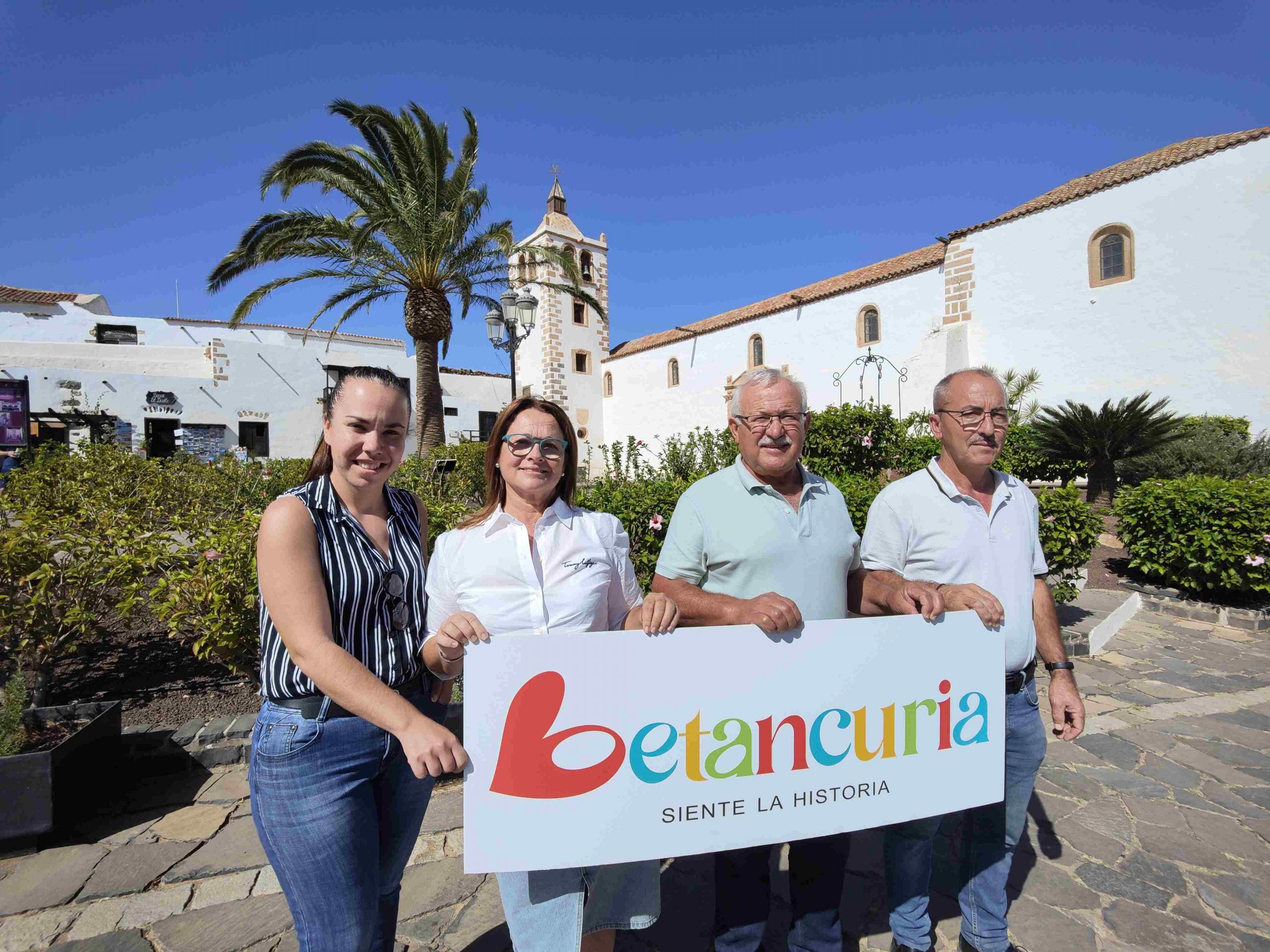
While Lanzarote captured his heart, it was in 1980 that Loos first ventured to nearby Fuerteventura, sensing yet another opportunity waiting to be explored. Over the years, he closely observed the beauty of the landscapes and decided he wanted to make it home. By 1990, he took the leap, moving to Fuerteventura, where he envisioned creating a cultural hub. His aspirations led to the restoration of historic properties in Betancuria, transforming them into lively spaces for tourists and locals alike.
A Vision Realized: The Casa de Santa María
Loos’s commitment to preserving and promoting the significant cultural heritage of the islands came to fruition with the acquisition of a crumbling property, now known as the Casa de Santa María. He meticulously restored this historic building and turned it into a restaurant, embracing the local landscape. With the success of the restaurant, he expanded his vision. He acquired more properties, fostering growth in the area and shaping Betancuria into a vibrant cultural center.
A Legacy of Preservation and Community
Today, the historic core of Betancuria stands as a testament to Loos’s unwavering dedication to maintaining the island’s heritage. His properties now include artisan shops, small businesses, and a museum dedicated to the local flora and fauna. His ongoing passion for preservation translates into his latest projects, including La Casa de la Naturaleza, where he hopes to promote the arts and even establish a music space.
A Life of Light and Gratitude
Reiner Loos often reflects on the indelible connection he shares with both Lanzarote and Fuerteventura. These islands have shaped not only his career but also his identity. Each morning, he wakes up to the stunning light that drenches the landscape, feeling a profound sense of gratitude for the journey he undertook. “I’m genuinely happy to have chosen this path,” he affirms, emphasizing the significance of his decision to remain in the pristine embrace of the Canary Islands, a choice that continues to inspire awe and appreciation for the natural beauty surrounding him.
In capturing the essence of Lanzarote and Fuerteventura, Loos has turned a simple dream into a rich tapestry of experiences, showcasing the islands to the world while nurturing their cultural and environmental legacy. His journey is a powerful reminder of how passion, resilience, and vision can leave a lasting impact on a community and its landscape.