A Heatwave Grips Western Europe: The Human Impact
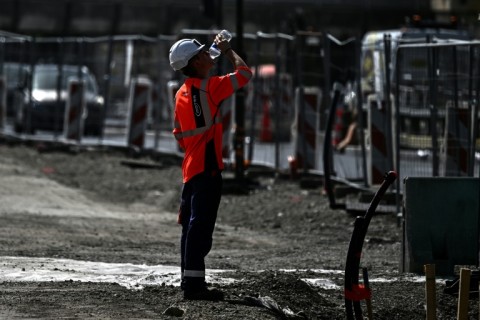
As the sun blazed down mercilessly on Tuesday, workers found themselves stewing at their posts while children stayed home from school, seeking refuge from an oppressive early-summer heatwave that has enveloped much of western Europe. The soaring temperatures have prompted widespread concern, with authorities issuing red alerts and health warnings across several countries, including Britain, France, Italy, and Spain.
Record-Breaking Temperatures
France has been particularly hard-hit, experiencing its hottest night ever recorded. The sweltering conditions have led to tragic consequences, with reports indicating that 40 individuals have drowned in just five days as people sought relief in local waters. The heatwave is not just a passing inconvenience; it’s a stark reminder of the changing climate and the increasing frequency of extreme weather events.
The Science Behind the Heat
Scientists have long warned that recurring heatwaves are a clear indicator of global warming, a phenomenon driven largely by human activities such as the burning of fossil fuels. As greenhouse gas emissions continue to rise, these heatwaves are expected to become more frequent, longer, and more intense. The implications for public health and safety are profound, prompting authorities to take action.
Health Risks and Warnings
With temperatures soaring, health officials have raised alarms about the potential dangers posed by the heat. Vulnerable populations, including the elderly and those with pre-existing health conditions, are particularly at risk. In Barcelona, 76-year-old Jose Farre shared his struggles, noting that the heat made it difficult for him to sleep and even breathe. “I have a heart condition, I’m diabetic, and I feel it a lot,” he explained, emphasizing the toll that rising temperatures have taken on his daily life.
Spain’s Response to the Crisis
In Spain, nearly the entire country is under a heat alert, with certain regions facing the highest warning levels. The national weather agency, AEMET, has issued red alerts for “extraordinary danger” in areas surrounding the southern city of Cordoba, the northern city of Bilbao, and parts of the northern region of Cantabria. Authorities are urging citizens to take precautions, such as staying hydrated, avoiding strenuous activities during peak heat hours, and looking out for vulnerable individuals in their communities.
The Human Experience
The human experience during this heatwave is varied, with many people struggling to cope with the oppressive conditions. Jose Farre’s reflections on the changes he has witnessed over the years highlight a growing concern among older generations. “We’ve gained several degrees between my youth and today,” he lamented, pointing out that the humidity exacerbates the discomfort. His story is just one of many that illustrate the personal toll of climate change.
Community and Resilience
As communities grapple with the immediate effects of the heatwave, there is a sense of resilience among the population. People are coming together to support one another, sharing tips on how to stay cool and safe. Local organizations are mobilizing to provide assistance to those in need, ensuring that no one is left to face the heat alone.
The Bigger Picture
While the current heatwave is a pressing issue, it also serves as a reminder of the broader challenges posed by climate change. The increasing frequency of extreme weather events calls for urgent action on a global scale. As citizens and governments alike confront the realities of a warming planet, the need for sustainable practices and policies has never been more critical.
In the face of this heatwave, the stories of individuals like Jose Farre remind us that climate change is not just an abstract concept; it has real, tangible effects on people’s lives. As the temperatures continue to rise, the call for awareness, action, and community support becomes increasingly urgent.