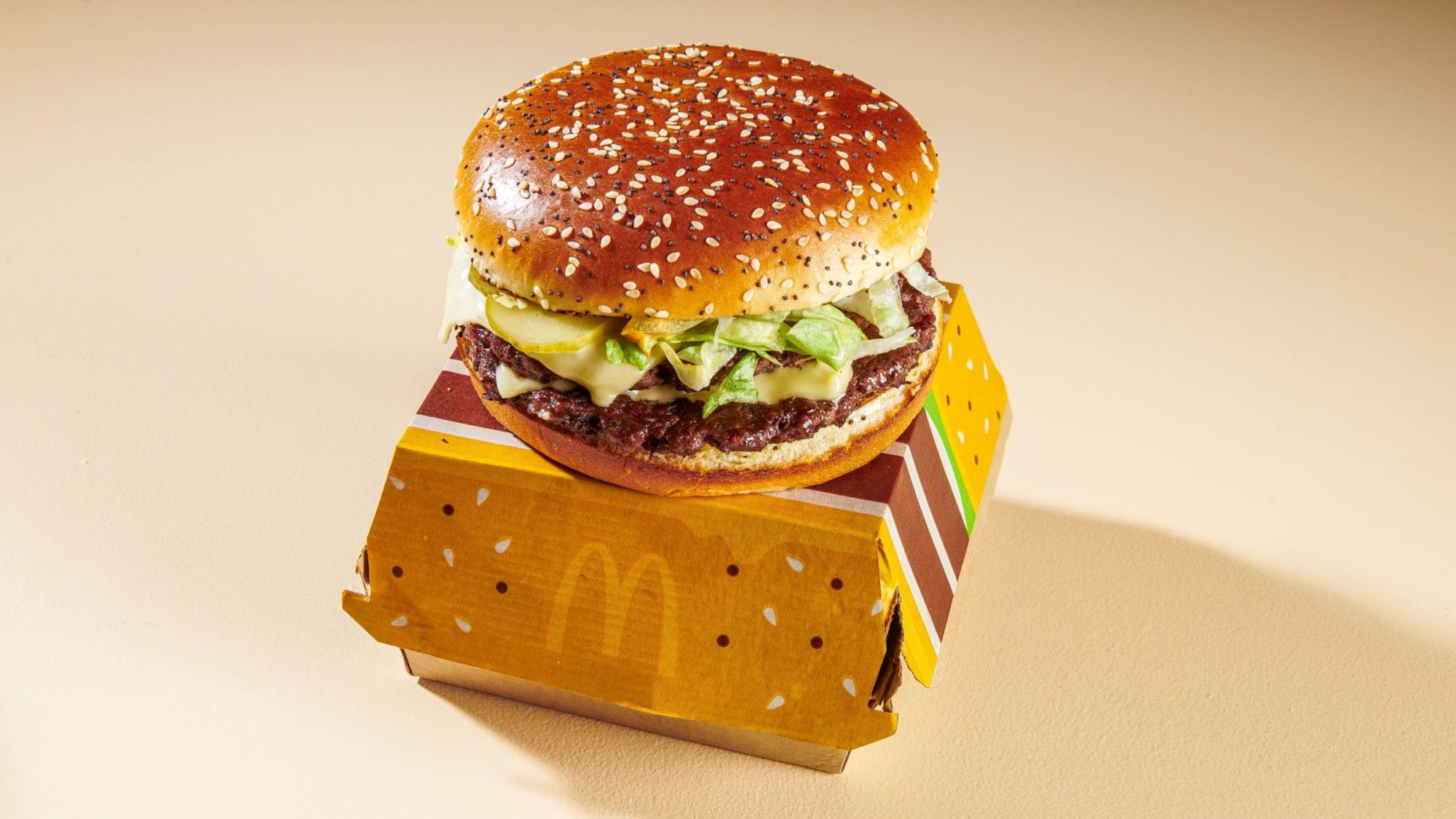
The McDonald’s CEO’s Big Burger-Eating Mistake
In a world where social media dictates the narrative, even the most seasoned executives can find themselves in hot water over seemingly innocuous actions. Recently, Chris Kempczinski, the CEO of McDonald’s, faced backlash after a video surfaced of him enjoying a burger. Ellen Cushing, writing for The Atlantic, described the incident as “discomfiting,” highlighting how it clashed with the established norms of internet-based marketing that Kempczinski is expected to navigate.
The Collision of Influencer Culture and Corporate Reality
Cushing points out that the video didn’t just capture a moment of indulgence; it served as a stark reminder of the disconnect between the polished world of corporate leadership and the raw, unfiltered nature of social media. In an age where food influencers curate their lives for maximum engagement, Kempczinski’s casual burger consumption felt out of place. The incident underscores the challenges faced by corporate leaders who must balance authenticity with the expectations of their roles.
The Rules of Engagement in the Digital Age
The backlash against Kempczinski’s burger video illustrates a broader trend in how corporations communicate with their audiences. Cushing notes that the social media accounts of multinational corporations often adopt a tone reminiscent of “sleepy teenagers.” This approach is a strategic choice, designed to resonate with younger audiences who favor relatability over formality. However, when a CEO steps outside this carefully crafted persona, the results can be jarring.
The Implications for Brand Image
For a brand as iconic as McDonald’s, every public appearance by its CEO carries weight. The fast-food giant has long been associated with a specific image—one that balances fun, accessibility, and a hint of nostalgia. Kempczinski’s burger-eating moment, while intended to be relatable, risked undermining the carefully curated brand image. In a landscape where consumer perceptions can shift in an instant, maintaining a consistent narrative is crucial.
The Role of Authenticity in Marketing
In the age of social media, authenticity has become a prized commodity. Consumers, particularly younger ones, gravitate towards brands that appear genuine and relatable. However, the line between authenticity and professionalism can be thin. Kempczinski’s video serves as a case study in this delicate balance. While he may have aimed to connect with consumers on a personal level, the backlash suggests that not all attempts at authenticity are received positively.
The Future of Corporate Communication
As the landscape of corporate communication continues to evolve, leaders like Kempczinski must navigate these complexities with care. The incident serves as a reminder that even the smallest missteps can lead to significant repercussions. Moving forward, CEOs may need to adopt a more nuanced understanding of their audience, recognizing that the rules of engagement are constantly shifting.
The Broader Context of Social Media Marketing
This incident also highlights the broader implications of social media marketing strategies. Brands are increasingly aware of the need to adapt to the fast-paced nature of online interactions. The rise of food influencers and the casual tone of social media communications have created a new paradigm that corporate leaders must understand. As they engage with consumers, they must remain vigilant about how their actions are perceived in the digital realm.
Lessons Learned from the Incident
Ultimately, Kempczinski’s burger-eating mistake serves as a cautionary tale for corporate leaders everywhere. It emphasizes the importance of aligning personal actions with brand values and the expectations of the audience. As the lines between personal and professional blur in the digital age, leaders must be prepared to navigate the complexities of modern communication with finesse and awareness.
In a world where every action can be scrutinized, the stakes have never been higher for those at the helm of major corporations. The challenge lies not just in managing a brand, but in understanding the intricate dynamics of consumer perception in a rapidly changing landscape.