Unearthing History: The Roman Archaeological Discovery on Isla de Lobos
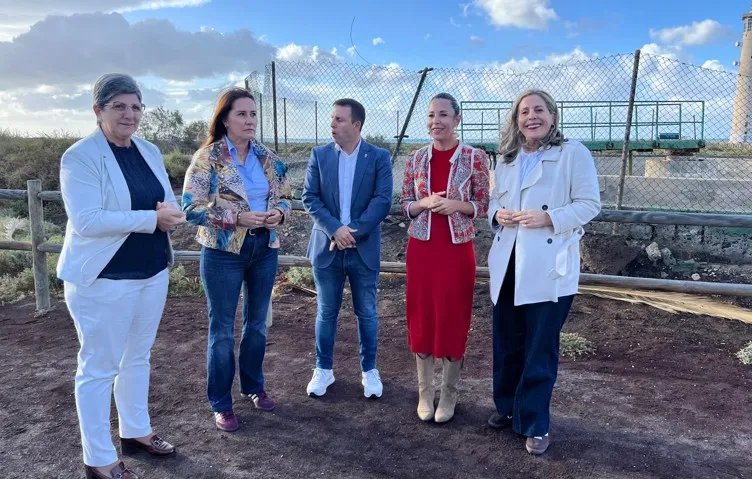
The research team, Poblamiento y Colonización de Islas en el Atlántico (PYCIA), led by the esteemed prehistory professor Carmen del Arco from the University of La Laguna, has made a significant discovery on the Isla de Lobos in Fuerteventura. This archaeological site was uncovered fortuitously when fragments of ceramics were discovered, leading to further investigation by the Cabildo de Fuerteventura’s Heritage Unit, which subsequently reached out to Carmen del Arco’s team for an expert evaluation.
Initial Excavations and Findings
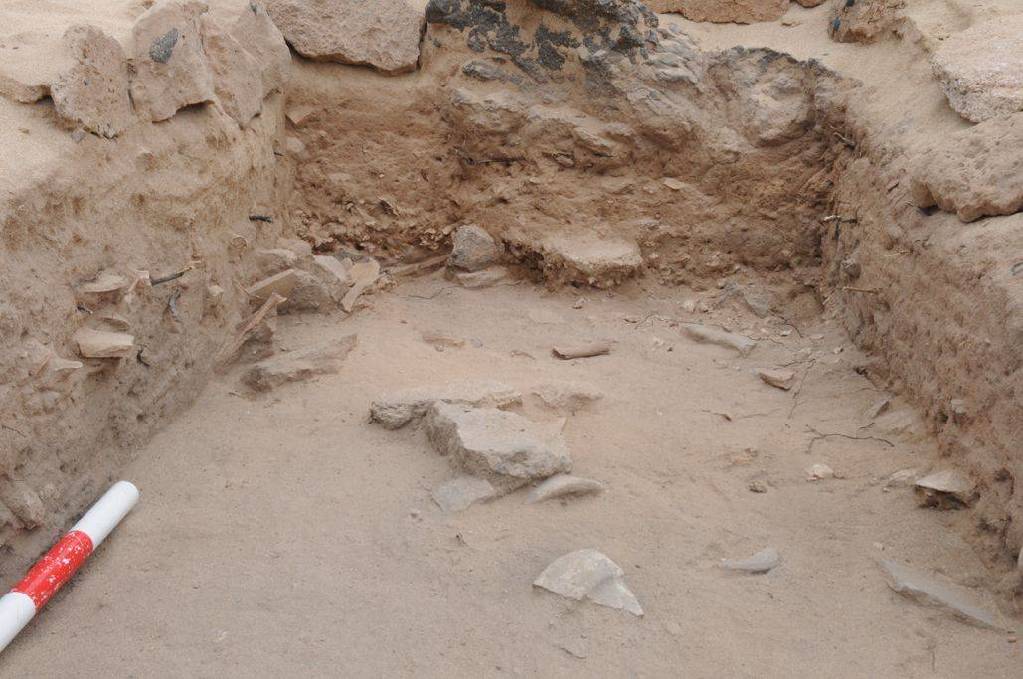
Upon the initial survey of the location, the PYCIA team uncovered daily-use ceramic remains and marine fauna remains. These artifacts point to the possibility of the first seasonal Roman settlement in the Canary Islands. The ceramics appear to have been made using a potter’s wheel—a crucial development that, if confirmed, could indicate that there were early settlements in the Canaries that utilized this technology. Such findings suggest these populations may have coexisted or maintained contact with the Canary Island aborigines, who did not use potter’s wheels when the Castilian conquerors arrived.
The Significance of Purple Dye Production
Among the remarkable finds were metallic fragments, remnants of cooking fires, goat bones, and a sizable shell midden replete with thais, a crustacean from which purple dye was extracted. This dye, highly prized in ancient times, was considered a symbol of social distinction among the Phoenicians, Carthaginians, and Romans. The search for purple dye spurred commercial expeditions, evidencing the economic networks that existed during this period. Given the Romans’ robust purple dye industry along the northwest African coast, the proximity of the Canary Islands suggests the possibility of similar activities taking place in the archipelago, known to be inhabited since at least the 9th century BC.
The Commercial Expansion of Ancient Civilizations
The presence of Romans on Isla de Lobos can also be contextualized within the broader commercial expansion initiated by Phoenicians and Greeks in their quest for raw materials and fishing resources. Across the entire Atlantic coast, fish salting industries were established, of which the Canary Islands could very well have been a part. These fish processing facilities likely operated from the 1st millennium BC until the decline of the Roman Empire in the 3rd and 4th centuries AD when they were ultimately abandoned.
Implications for Understanding Roman Colonization
Carmen del Arco notes that while these initial findings are only preliminary assessments, further detailed analyses could represent a pivotal moment in understanding the patterns of settlement in the Canaries. As of now, there are no references to similar sites engaged in purple dye production to the south of Lixus—a location in northwest Morocco. However, this discovery is not the sole indication of Roman presence in the islands. Previous researchers, such as Pablo Atoche from the University of Las Palmas de Gran Canaria, have found Roman artifacts at the El Bebedero site in Lanzarote, along with various underwater discoveries of Roman amphorae.
Unique Context of the Isla de Lobos Site
What differentiates the Isla de Lobos site is that the ceramics discovered are contextualized within a specific setting linked directly to the activity of purple dye extraction and its subsequent commercialization in the Mediterranean. This unique focus enriches our understanding of economic activities during the Roman presence in the archipelago and could lead to new insights into the historical interactions between various cultures.
Collaborative Efforts in Research
The PYCIA research group is part of an R&D project funded by the Canary Agency for Research, Innovation, and Information Society. The team includes scientists from the University of La Laguna as well as researchers from the Autonomous Organization of Museums and Centers. Their collaboration with the Cabildo de Fuerteventura has been instrumental in evaluating the archaeological site, paving the way for the establishment of vital protective measures ensuring its conservation for future studies.
This remarkable discovery on Isla de Lobos is not just about unearthing artifacts; it’s about piecing together the complex narrative of the interactions, economies, and cultures that shaped the ancient world. Each fragment tells a story, and as the PYCIA team continues its work, these stories promise to shed light on a fascinating chapter of history.