
La Consejería Ultima el Convenio de Colaboración con Betancuria, Garachico, Teguise, Agulo y Tejeda para Impulsar Proyectos de Infraestructuras Turísticas Sostenibles y Mejorar la Experiencia Turística
In a significant development for sustainable tourism, the Consejería de Turismo and Employment of the Government of the Canary Islands is finalizing an exciting collaboration agreement with five picturesque municipalities—Agulo (La Gomera), Garachico (Tenerife), Betancuria (Fuerteventura), Teguise (Lanzarote), and Tejeda (Gran Canaria). These charming towns are part of the renowned network dubbed the Pueblos Más Bonitos de España, dedicated to enhancing their tourism infrastructure while maintaining their unique cultural identities.
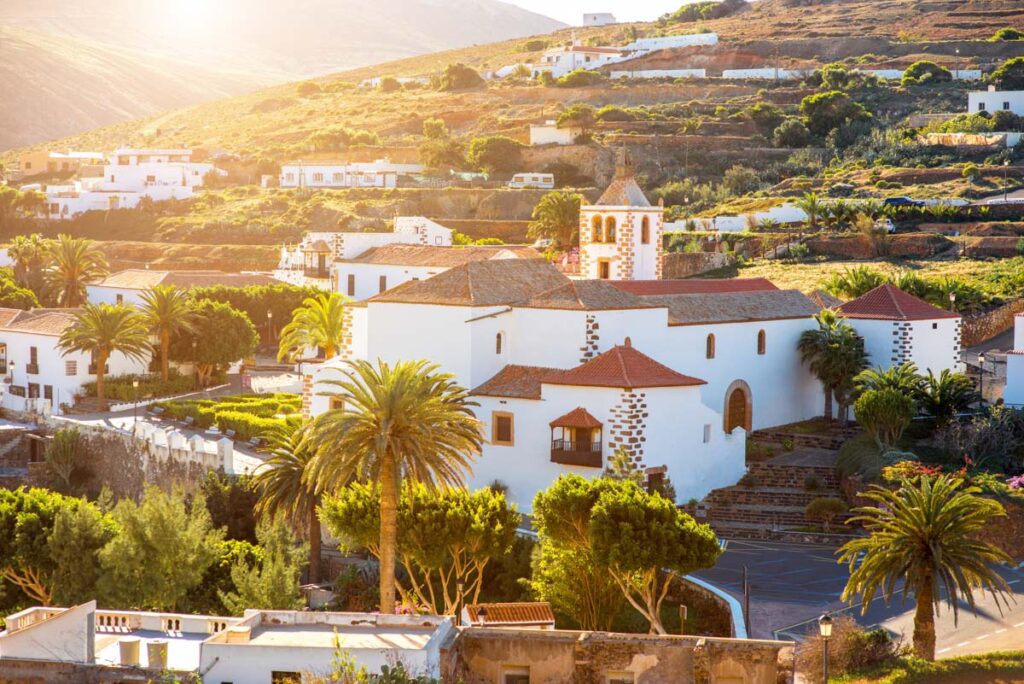
Coinciding with the Día Mundial de los Pueblos Más Bonitos de España celebrated every October 1, this initiative stands out as a key move by the regional government. The collaboration represents a concerted effort to conserve, promote, and disseminate the rich cultural, natural, and rural heritage of these charming destinations, which collectively belong to a network of 122 municipalities.
Currently in its final stages, the agreement has incorporated valuable input from all five participating towns. It aims at establishing a framework for action that facilitates collaborative projects designed to enhance tourism infrastructure. These initiatives are intended to provide sustainable growth, while ensuring that the distinctive character and essence of each community remain intact.
Estrategia Canaria de Infraestructuras para el Turismo
The consejera de Turismo y Empleo, Jéssica de León, has emphasized that this forthcoming agreement aligns perfectly with the Estrategia Canaria de Infraestructuras Turísticas Insulares. It addresses the urgent need for collaboration between the Government of the Canary Islands and local councils aimed at revitalizing urban tourist spaces.
The objectives include striking a balance between heritage conservation and functional modernization. This accord will also promote a responsible tourism model that is considerate of the local environment and the quality of life for residents.
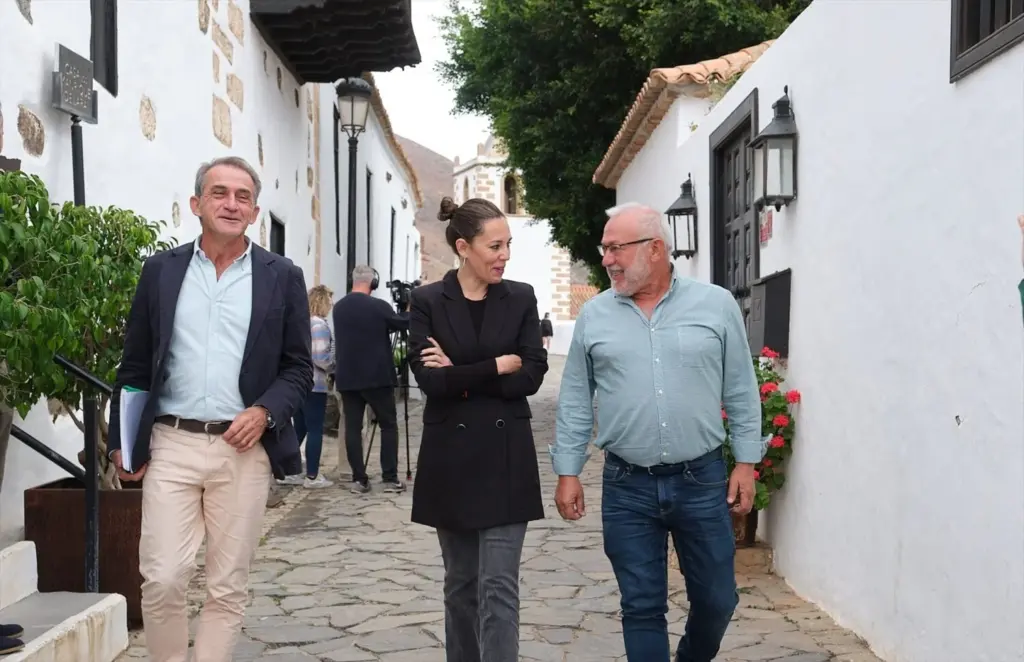
Furthermore, the consejera pointed out that the projects emerging from this collaboration will receive dedicated funding aimed at ensuring effective execution.
This sentiment was echoed by Héctor Mateo, the director general of Infrastructure, Sustainability, and Quality Tourism, who added that the execution of this agreement will be pivotal in standardizing criteria and resources. It aims to ensure that all actions adhere to the highest quality standards while respecting local heritage.
Ocho Líneas de Trabajo de Turismo
To guide the implementation of the projects, the agreement identifies eight priority action lines. These include enhancing the safety and illumination of urban environments, undergrounding electrical and telecommunications wiring, and improving the visual integration of waste containers. Furthermore, it focuses on ensuring accessibility to parking areas and creating landscaped green spaces.
Additionally, the plan encompasses optimizing accessibility on streets and narrow alleys, providing adapted public restrooms, and organizing vehicular traffic at entrances to historical centers.
“The General Directorate of Infrastructure, Sustainability, and Quality Tourism is dedicated to providing the necessary technical and administrative support to evaluate that the proposed projects align with the defined objectives,” concluded Mateo.