Strengthening Ties: China and Spain’s Commitment to Multilateralism
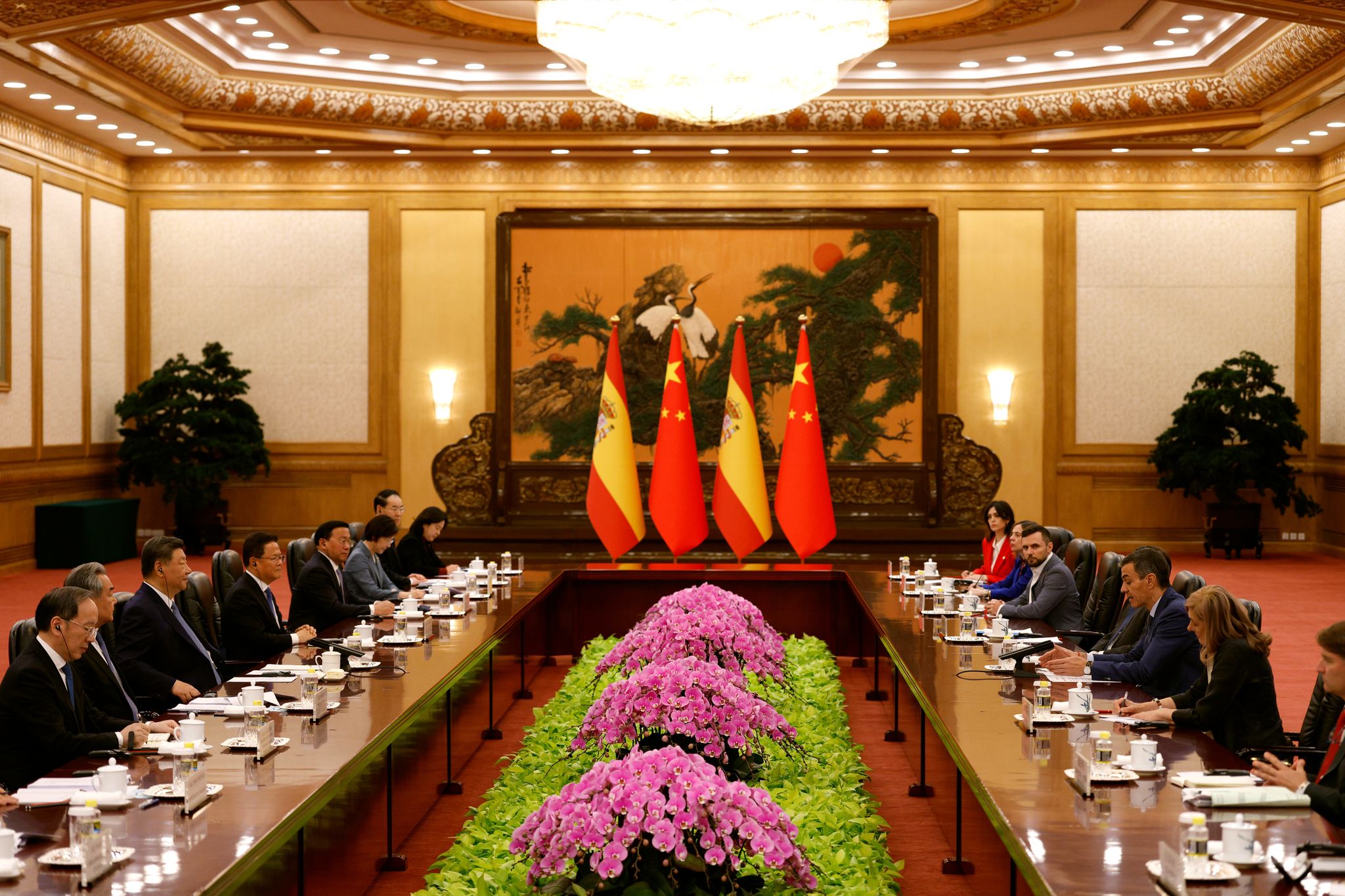
In a significant diplomatic meeting held in Beijing, the leaders of China and Spain have reaffirmed their commitment to strengthening bilateral relations and promoting multilateralism. This comes at a time when the global landscape is increasingly fraught with conflicts, notably the ongoing war in Iran. The discussions between Chinese President Xi Jinping and Spanish Prime Minister Pedro Sánchez highlight the importance of collaboration in addressing contemporary challenges.
A Call for Enhanced Communication
During the reception at the Great Hall of the People, President Xi emphasized the need for enhanced communication between the two nations. He articulated a vision where mutual trust is consolidated and cooperation is prioritized. Xi’s remarks reflect a growing recognition of the need for countries to work together in a world that often seems to revert to a “law of the jungle” mentality. His call to action underscores the urgency of safeguarding genuine multilateralism, which is increasingly threatened by unilateral actions and geopolitical tensions.
Addressing Global Challenges Together
Prime Minister Sánchez echoed Xi’s sentiments, acknowledging that both Spain and China have roles to play in addressing a myriad of global issues. From trade tensions to geopolitical complexities, Sánchez pointed out that the two countries can collaborate to find solutions. His comments highlight a proactive approach to international relations, where dialogue and cooperation are seen as essential tools for navigating the challenges of today’s world.
A Strategic Visit Amidst Strained Relations
Sánchez’s visit to China marks his fourth trip in just over three years, signaling Spain’s intent to deepen its political and commercial ties with Beijing. This visit is particularly noteworthy given the current strain in Sánchez’s relationship with the United States, primarily due to his opposition to the war in Iran. By strengthening ties with China, Spain is not only diversifying its diplomatic relationships but also positioning itself as a key player in the global arena.
Economic and Political Implications
The strengthening of ties between China and Spain carries significant economic implications. As the world’s second-largest economy, China presents vast opportunities for Spanish businesses. The two nations are likely to explore avenues for increased trade and investment, which could benefit both economies. Moreover, this partnership could serve as a counterbalance to the influence of other global powers, particularly in the context of the ongoing geopolitical tensions.
A Shared Vision for the Future
Both leaders seem to share a vision for a collaborative future, one that prioritizes dialogue over conflict. Their commitment to multilateralism is not just a diplomatic nicety; it reflects a genuine understanding of the interconnectedness of today’s global challenges. As they navigate issues ranging from environmental concerns to social challenges, the partnership between China and Spain could serve as a model for other nations seeking to foster cooperation in a divided world.
Conclusion: A New Chapter in Bilateral Relations
As the world grapples with increasing complexities, the meeting between Xi Jinping and Pedro Sánchez marks a pivotal moment in China-Spain relations. Their commitment to strengthening ties and promoting multilateralism is a hopeful sign that collaboration can prevail over division. The outcomes of this meeting may well shape the future of international relations, offering a pathway for other nations to follow in the pursuit of peace and cooperation.


