Unearthing History: Roman Colonization in Lobos Island, Fuerteventura
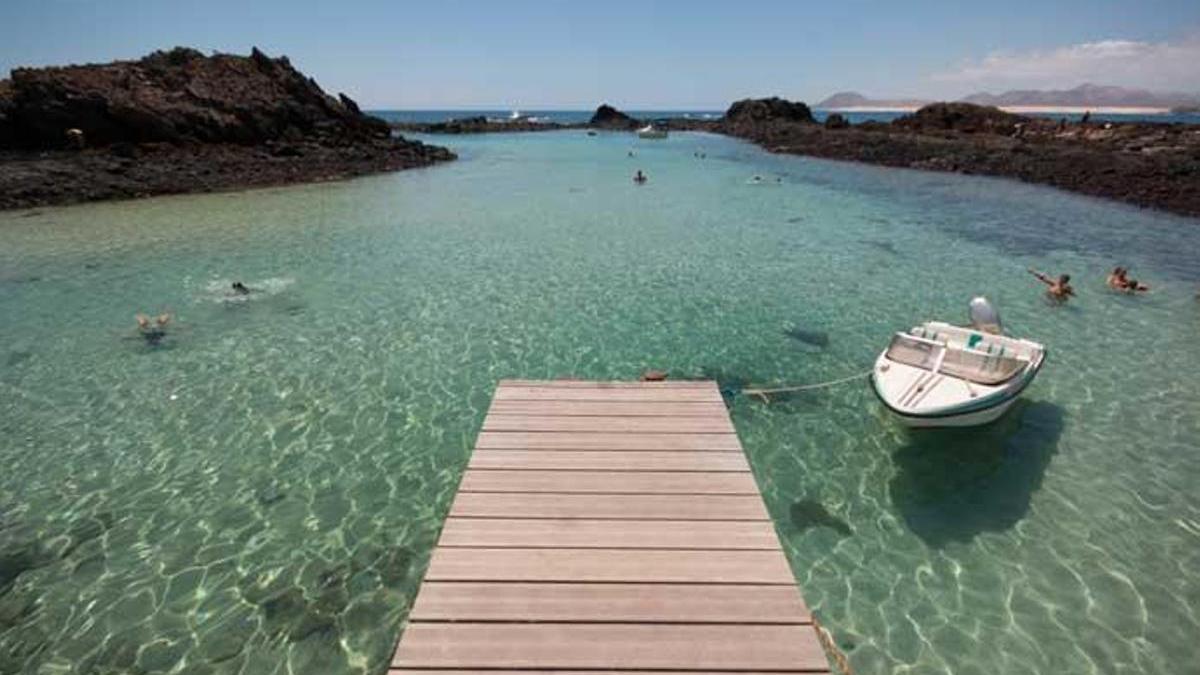
The tranquil shores of Lobos Island, a small but captivating gem off the coast of Fuerteventura, hold secrets that date back to Roman times. Recent archaeological campaigns have expanded our understanding of the island’s historical significance, revealing that the Roman occupation extends beyond previously protected boundaries.
A New Archaeological Campaign
This year, the latest archaeological campaign focused on the Roman purple workshop—a notable site connected to the ancient production of the highly valuable dye extracted from sea mollusks. Conducted under the guidance of experts such as Mercedes del Arco Aguilar from the Museo de Naturaleza y Arqueología in Tenerife, and Isidoro Hernández Sánchez from the Museo Arqueológico de Fuerteventura, the project aims to shed light on this historically rich area.
The vocation of the archaeological team is to determine the extent of the Roman occupation and gain further insights into the cultural dynamics of that era. Their meticulous work promises to reconstruct a more vivid picture of the lives and practices of ancient Romans in the Canary Islands.
Discoveries That Tell Tales
The findings from this campaign have been remarkable. Artifacts unearthed include a diverse range of materials—ceramics, metals, and elements pertaining to combustion structures. A particularly significant discovery was a designated area defined as a paved floor, which indicates a structured and intentional layout, possibly for the workshop or communal spaces.
In a recent press release by the Cabildo de Tenerife, it was highlighted that these materials not only represent the daily life of the Romans but also contribute to understanding the socio-economic structures that governed their activities on the island.
A Milestone in Cultural Preservation
José Carlos Acha, the Cultural and Museums Councillor of Tenerife, acknowledges the vital role these investigations play in reconstructing the cultural narratives of indigenous societies within the archipelago. Since the project’s inception in 2012, when initial excavations were prompted by the discovery of ancient ceramics by tourists, the ongoing research has contributed significantly to our appreciation of historical continuity in the region.
Technological Innovations in Exploration
One of the exciting methodologies employed in this season’s excavation was ground-penetrating radar technology. This non-invasive technique allowed researchers to identify subsurface anomalies in areas of interest previously unexamined. By focusing their efforts on these segments, the team successfully delineated the nature and spread of archaeological remains, providing valuable data for future explorations.
Layers of Historical Evidence
The recent focus on the southern part of the Roman purple workshop—the area dating back to the Late Republican and Early Imperial period—has proven fruitful. Spanning a 26-square-meter open space, researchers recorded several layers of occupation; their findings included significant purple shell middens, purplish sediments, multiple combustion structures, and an extensive range of faunal remains, both terrestrial and marine. This paints a picturesque backdrop of daily life and industry at this ancient site.
Collaborative Contributions
The success of the archaeological endeavors rests not only on the historical findings but also on the collaborations between various institutions and local enterprises supporting the research. Acknowledging the collaborative spirit, José Carlos Acha expressed gratitude towards all technical experts, surveyors, and institutions involved, emphasizing their invaluable contributions to the ongoing journey of discovery.
Expanding the Historical Narrative
These archaeological explorations contribute greatly to understanding the broader historical context of Roman rule in the Canary Islands. As excavations continue, they promise to unveil narratives that could reshape our understanding of cultural interactions and land use in the region between indigenous populations and Roman settlers.
A Living Archaeological Site
The ongoing work on Lobos Island reminds us that history is not merely a record of past events but a vibrant tapestry woven from countless stories waiting to be told. Each piece of pottery, each structure unearthed, enhances our comprehension of human behavior and adaptation over centuries, continually enriching our collective heritage. The island stands not only as a candidate for conservation but also as a living narrative of human history’s powerful ebb and flow.