Celebrating Cultural Heritage: The First Historical Heritage Meeting in the Canary Islands
The Canary Islands, a picturesque archipelago off the northwest coast of Africa, boasts a bounty of history encapsulated within nearly fifty historical sets declared as Bien de Interés Cultural, or Assets of Cultural Interest. This designation highlights the islands’ rich heritage, which is a significant part of their identity. To reflect on their current state and strategize on preserving these treasures, the recent first meeting dedicated to this cause has taken center stage.
Unveiling the Event
On June 17 and 18, the idyllic setting of the Archaeological Museum in Fuerteventura served as the backdrop for the First Historical Heritage Meeting of the Canary Islands. This significant gathering brought together an impressive lineup of dignitaries, including Migdalia Machín, the Regional Minister for Universities, Science, Innovation, and Culture; Lola García, President of the Cabildo of Fuerteventura; Horacio Umpiérrez, Vice Minister of Culture and Cultural Heritage; and Enrique Cerdeña, the Mayor of Betancuria. The event aimed to spark dialogue and innovative approaches to tackle the challenges faced by these important historical sites.
The Purpose Behind the Meeting
The gathering was designed not only as a conference but also as a collaborative workshop, facilitating conversations among specialists in cultural heritage, technical experts, and public officials. The primary objective was to critically examine the obstacles that historical sets face while fostering shared strategies for their conservation and management.
Among the pressing challenges discussed:
- Tourism Pressure: While tourism is a vital economic driver for the islands, it poses risks to the integrity and authenticity of historical sites. Understanding how to balance tourist interest with preservation was a key focus.
- Population Displacement: As local residents move to urban areas in search of economic opportunities, preserving the community’s cultural vibrancy becomes increasingly difficult.
- Decline of Traditional Commerce: Local shops and businesses are vital to the cultural landscape, yet they struggle against modern commercial pressures. Finding ways to support these traditional enterprises is crucial.
- Administrative Complexities: The bureaucratic intricacies involved in heritage rehabilitation can hinder progress. Simplifying these processes could aid in more effective restoration efforts.
Key Discussions and Expert Insights
During the meeting, an array of expert panels and thematic workshops were conducted, providing an opportunity for professionals from diverse fields—ranging from history and architecture to cultural heritage management and public governance—to share their views and past experiences. This exchange of ideas is expected to pave the way for best practices and collaborative solutions that could be applied across the Canaries.
Cultural Activities: Engaging the Community
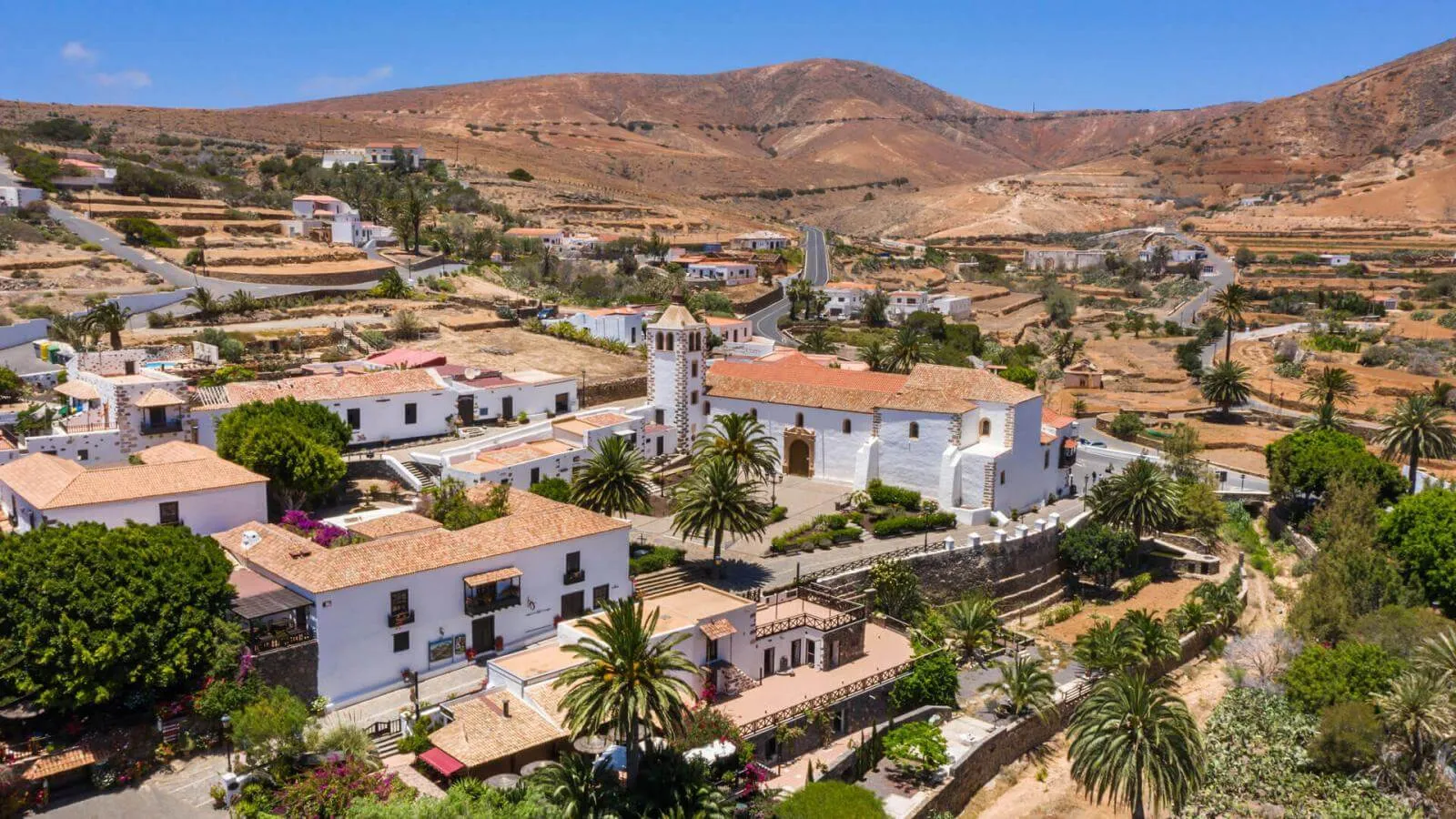
The program for the event also included cultural activities designed to engage the public and enhance the appreciation of heritage. Audiences enjoyed a concert featuring local artists, Julia Rodríguez and Arife Band, and participated in a theatrical route through the historical landscapes of Betancuria. Such activities contribute to cultural immersion and invite the community to connect with their local history in a vibrant, meaningful way.
Conclusion
The First Historical Heritage Meeting of the Canary Islands is a testament to the dedication of local governments and community leaders in preserving their cultural identity. By examining challenges, sharing best practices, and engaging the local population, this event stands as a pivotal moment in the ongoing narrative of the Canary Islands’ rich history. The collaboration sparked here sets the stage for future initiatives aimed at ensuring the longevity and relevance of these treasured cultural assets.


