The Saladar de Jandía Wastewater Treatment Plant: A Historical Transformation for Fuerteventura’s Environment
A Landmark in Time
Nestled in one of Fuerteventura’s most ecologically significant areas, the Saladar de Jandía wastewater treatment plant has stood as a silent yet influential part of the landscape for over forty years. Originally constructed to address the region’s sanitation needs, this facility has now reached the end of its useful life. Recently, plans have kicked off to demolish this long-standing infrastructure, signifying both an end and a beginning for the local environment.
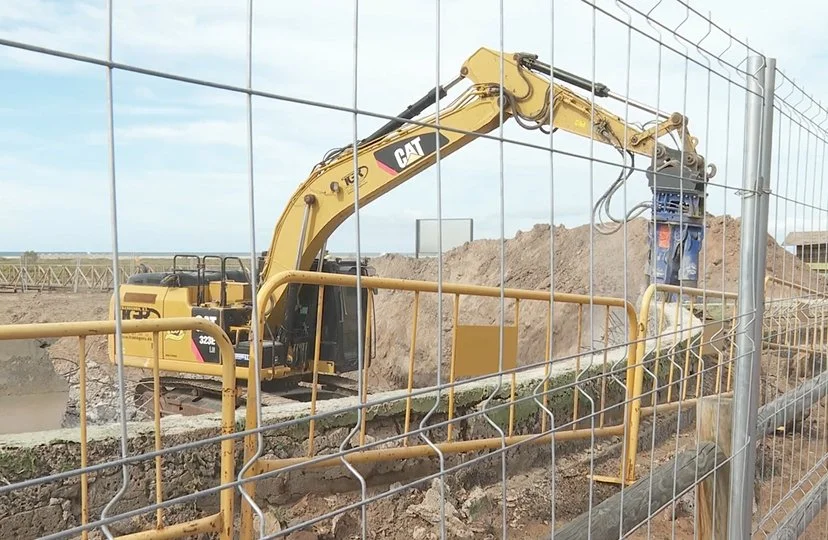
Comienzan las obras de demolición de la antigua depuradora del Saladar de Jandía. RTVC
Ecological Significance
The Saladar de Jandía isn’t just another geographical marker; it’s regarded as one of the most scientifically important areas in Fuerteventura. The region is characterized by its unique ecosystems and diverse flora and fauna, making it a focal point for ecological study and conservation efforts. The presence of the wastewater treatment plant, while necessary in its time, has become a hindrance to the natural beauty and biodiversity of this critical area.
With its demolition, the aim is to rehabilitate and restore the landscape, returning this ecological jewel to its natural state. The move is part of a broader initiative to enhance environmental conditions and promote biodiversity in the region.
Current Demolition Efforts
A significant task at hand is the demolition of the plant’s structure, a project that is already underway and making swift progress. The current phase involves dismantling components of the facility, which will enable the restoration of the surrounding environment after decades of its industrial presence. It’s a task filled with logistical challenges but also immense opportunities for rejuvenation.
Following the demolition, a crucial next step will be the classification of the construction debris. This includes the careful sorting of materials—primarily steel and concrete—that will be sent to specialized facilities for proper treatment and recycling. It’s a step aimed at ensuring that the dismantling process is not just a removal, but a part of a sustainable cycle of re-use.
Restoration Plans: A Focus on Native Species
Once the demolition phase is complete, the vision for the site extends beyond mere removal. The plan includes covering the ground with sieved earth sourced from the local area. This is pivotal, as it will provide a nourishing substrate conducive to the growth of native vegetation. The ultimate goal is to cultivate indigenous species, fostering the renaturalization process.
This focus on planting local flora is not only a nod to the region’s natural heritage but also serves practical environmental functions. Native plants are better adapted to local climates and soils, require less maintenance, and support local wildlife, promoting a balanced ecosystem.
Community Involvement and Awareness
The progress regarding the Saladar de Jandía treatment plant’s transformation has generated interest and excitement among local communities and environmental groups. Residents are engaged and informed about the changes, as the initiative aligns with broader ecological consciousness rising across the globe. The demolition serves as a reminder not just of past infrastructure but also of the potential to embrace a future that prioritizes ecological health and sustainability.
This project highlights the ideal of restoring nature to its original glory, offering a glimpse of what Fuerteventura could be—a place where human activity harmonizes with the environment rather than detracts from it. The future of the Saladar de Jandía is not just about removing old structures, but about creating a more sustainable, vibrant ecological community for generations to come.