Exploring Brazil’s Coastal Gems: Fortaleza and Recife
As international travel resumes, Brazil is emerging as a vibrant destination for European visitors, particularly through its two coastal cities: Fortaleza and Recife. With direct air links to major European capitals like Madrid, Lisbon, and Paris, these cities are making the most of their geographical advantage to attract a growing number of tourists eager to explore their unique offerings.
Fortaleza: A Modern Metropolis with Rich History
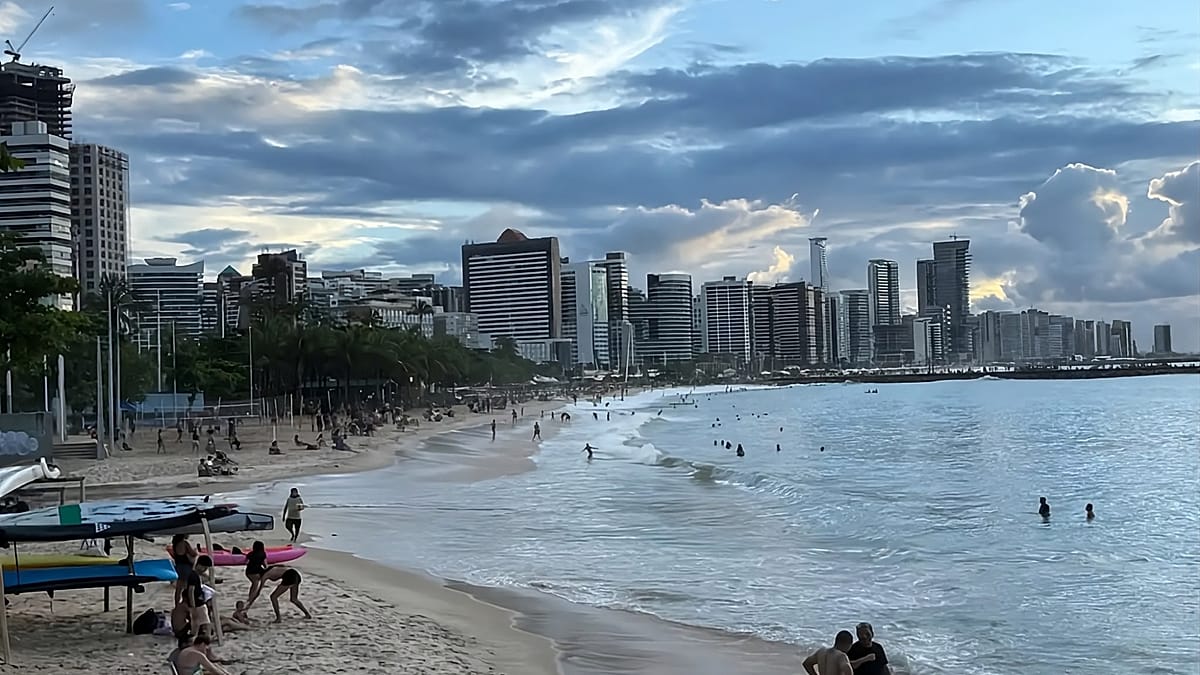
Fortaleza, the capital of the state of Ceará, boasts a population of 2.57 million, making it one of Brazil’s five most populous cities. Its skyline, reminiscent of Miami and Benidorm, features a stunning array of skyscrapers along the Beira Mar promenade. This coastal stretch invites visitors to indulge in outdoor activities, from jogging at dawn to enjoying the vibrant nightlife.
A Historical Tapestry
The city’s history is deeply intertwined with colonial struggles, dating back to the 17th century when the Dutch built Fort Schoonenborch in 1649. After the Portuguese reclaimed it, it was renamed Fortaleza de Nuestra Señora de la Asunción. In 2026, Fortaleza will celebrate its 300th anniversary, a milestone that resonates throughout the city’s streets, markets, and cultural events.
A City That Never Sleeps
Fortaleza is alive with energy, as tour guide Castalha describes: “This is a vibrant city with a rich blend of cultures that never sleeps.” Early morning joggers can be seen along the six-kilometer stretch linking Iracema, Meireles, and Mucuripe beaches. For those who enjoy water sports, canoeing in the warm Atlantic waters is a popular pastime, while the Mercado dos Peixes showcases the region’s rich fishing culture.
Nightlife and Dance
As the sun sets, Fortaleza transforms into a hub of music and dance. The rhythm of forró, a traditional dance of northeastern Brazil, fills the air, inviting locals and visitors alike to join in the celebration. The close-knit dance style, characterized by quick steps and simple turns, embodies the city’s lively spirit.
Canoa Quebrada: Nature’s Playground
Just a short drive from Fortaleza, Canoa Quebrada offers a different experience. This small coastal village is renowned for its stunning falésias—sand and rock cliffs that create a breathtaking landscape. Tourists can explore the area via buggy rides, capturing unforgettable moments against the backdrop of the crescent moon and star symbol carved into the cliffs.
A Community of Artisanal Fishers
Canto Verde beach, located in Beberibe, is another gem where visitors can engage with local culture. Here, a community of artisanal fishers invites tourists to experience traditional fishing methods. Roberto, a local fisherman, emphasizes the importance of community-based tourism, which promotes sustainability while preserving local traditions.
Recife: The Cultural Heart of Brazil
A short flight from Fortaleza leads to Recife, the capital of Pernambuco, known for its rich history and cultural significance. With a population of 1.5 million, Recife was once the economic epicenter of Brazil, thanks to its strategic port and the sugar trade.
A Historical Crossroads
Recife’s history is marked by colonization and trade, particularly during the Dutch occupation from 1630 to 1654. The city features a unique blend of architectural styles, including colonial churches and Dutch-influenced buildings. Its intricate network of rivers and bridges has earned it the nickname “the Brazilian Venice.”
A Cultural Melting Pot
The cultural landscape of Recife is vibrant, shaped by the mingling of European, African, and Indigenous influences. Frevo, a traditional music and dance style characterized by acrobatics and colorful umbrellas, is a testament to this rich heritage. The annual Carnival showcases the city’s cultural vitality, with the Galo da Madrugada parade being one of the largest in the world.
Olinda: A Colonial Treasure
Just a stone’s throw from Recife lies Olinda, a UNESCO World Heritage Site that preserves Brazil’s colonial history. Founded in 1535, Olinda’s cobbled streets are lined with brightly colored houses and baroque churches, offering a glimpse into the past.
Carnival and Community Spirit
During Carnival, Olinda comes alive with its famous Bonecos Gigantes—giant puppets that parade through the streets, representing historical figures and local legends. The community spirit is palpable, as locals and visitors alike celebrate together, embodying the essence of Brazilian culture.
A Gateway to Adventure
With direct flights from Europe and an array of cultural and natural attractions, Fortaleza and Recife are solidifying their positions as key gateways to Brazil. Each city offers a unique blend of history, culture, and adventure, inviting travelers to explore the diverse tapestry of Brazilian life. Whether you’re drawn to the modern skyline of Fortaleza or the historical richness of Recife, these cities promise an unforgettable experience.