A Geographical Paradox in the Canary Islands
In the picturesque Canary Islands, a striking geographical paradox exists. While destinations like southern Tenerife and Playa del Inglés in Gran Canaria attract millions of tourists each year, just a stone’s throw away lie islands where visitations require advance reservations, where the daily influx of visitors is meticulously regulated, and where proposals for new hotels can ignite local protests. Isla de Lobos and La Graciosa stand at the forefront of an innovative approach in the Canary Islands, addressing a pressing question that haunts tourism destinations throughout the Mediterranean: Is it possible to enjoy tourism without destruction?
Isla de Lobos: The Magic Number of Two Hundred Forty
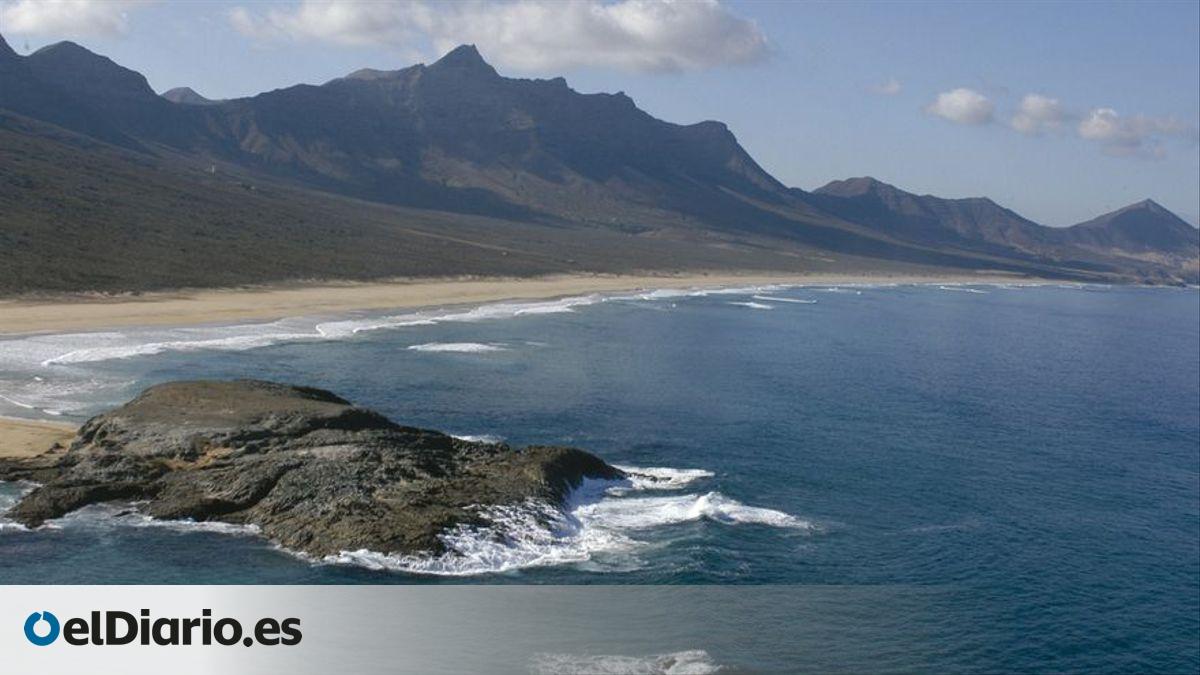
Isla de Lobos is a volcanic rock spanning four square kilometers, located just north of Fuerteventura. With a mere fifteen-minute ferry ride from Corralejo, this uninhabited island offers zero permanent residents, no substantial tourist infrastructure, a single restaurant, dirt paths, and crystal-clear beaches revealing fish at ten meters deep. Thousands of years ago, it was connected to Fuerteventura until the sea carved it out, creating this isolated gem.
However, as often occurs with paradise, the numbers began to swell. Summers saw weekends bringing in up to two thousand visitors a day—an unmanageable figure for an island lacking the necessary infrastructure. The once tranquil paths became overrun with hikers, and the pristine La Concha beach transformed into a scene reminiscent of Italy’s Rimini in August. Insufficient waste management led to accumulation, and the local monk seal, the island’s namesake, had long since vanished. Even endemic lizards faced extinction from constant trampling.
In 2019, the local government of Fuerteventura implemented a radical solution: access now requires a reservation, limiting visitors to a maximum of two hundred forty per day, timed throughout the day. This system operates via an online portal, allowing free reservations three months in advance, making spots vanish quickly, especially for weekends. If you haven’t booked, the ferry won’t take you. That’s the end of the discussion.
The results were swift and tangible. Environmental monitoring studies indicated a 60% recovery of dune vegetation within the first two years, a 90% decrease in litter, and the return of seabird species that had vanished due to human disturbance. Pathways stabilized, coastal erosion slowed, and paradoxically, the overall visitor experience improved. Instead of shoulder-to-shoulder crowds, visitors now find moments of solitude, accompanied only by the sound of the wind and waves.
La Graciosa: Seven Hundred Fifty Residents vs. the World
La Graciosa presents a nuanced scenario, given its permanent inhabitants. With seven hundred fifty residents on this twenty-nine square kilometer island north of Lanzarote, it became the eighth officially recognized island of the Canary Islands in 2018. Here, two small towns, Caleta de Sebo and Pedro Barba, boast dirt roads, no traffic lights, and no hotel chains. Electricity is provided via underwater cables from Lanzarote, and water is desalinated. Until the 1990s, the local economy relied primarily on fishing.
Then, tourism began to seep in—not mass tourism but day-trippers arriving from Lanzarote, spending mere hours on the island. During peak summer, three thousand visitors flooded La Graciosa, overwhelming its seven hundred fifty inhabitants. The apparent four-to-one tourist-to-resident ratio proved unmanageable, with Caleta de Sebo transforming from a quaint fishing village into a bustling amusement park each morning only to become deserted by late afternoon.
La Graciosa’s approach differed from that of Lobos due to its resident community’s involvement in decision-making. In 2021, a permit system was introduced not to limit overall visitor numbers but to promote better distribution throughout the day and discourage rapid day-trips. Visitors now must register online, indicating arrival dates, times, and expected duration of stay. While there’s no rigid cap on visitor numbers, an alert system triggers when daily reservations exceed two thousand, at which point local authorities may halt additional authorizations.
Simultaneously, new tourist accommodation development was prohibited, and limits were placed on vacation home rentals. Those wishing to stay overnight in La Graciosa can only find small, family-run guesthouses with no major chain hotels allowed, thus avoiding the pitfalls of mass speculation. This results in slower tourism that is more respectful and ultimately more financially beneficial for residents. Better to host five hundred overnight guests who dine at local restaurants than three thousand day-trippers bringing their sandwiches.
The Price of Exclusivity: Who Gets Left Out?
Yet, do these systems genuinely work, or do they only create new forms of exclusion? Critiques abound. Access limits turn Lobos and La Graciosa into exclusive destinations for those capable of planning months in advance, potentially sidelining spontaneous visitors and last-minute travelers. Local Canary Island families hoping for a Sunday excursion find reservations sold out, while foreign tourists with elaborate six-month plans seize all available spots.
Bureaucratic hurdles also pose a significant barrier. The online reservation system effectively excludes the elderly and those lacking internet access or credit cards. A black market emerges on social media platforms, where individuals resell Lobos reservations for fifty to one hundred euros, transforming an initiative designed to protect the environment into a speculative business opportunity.
Residents of La Graciosa remain divided. Older fishermen yearn for the days when their island was untouched, allowing hours of solitude in nature. Conversely, younger individuals running restaurants and holiday rentals see controlled tourism as the only viable path forward, allowing for sustainable economic growth without surrendering to the resort machine. The debate remains heated, particularly as monthly bills loom, and the temptation to loosen regulations becomes increasingly attractive.
An Exportable Model or a Geographic Privilege?
The burning question arises: can this model function elsewhere? Venice’s attempt to introduce daily entry fees yielded minimal results. Cinque Terre limited access to the Sentiero Azzurro, but other areas continue to be overrun. In Santorini, measures to restrict cruise ships merely shifted the problem to neighboring islands.
Isla de Lobos and La Graciosa have the advantage of being small, with a single controllable point of entry: the ferry port. Arrivals by car or private jets are impossible; the ferry checks permits. Such stringent control is unattainable in Venice, where access is via various transportation modes, or in cities like Barcelona, where limiting access to popular areas only redistributes tourists to other neighborhoods.
However, valuable lessons can be gleaned. The fundamental principle remains: a territory’s carrying capacity is finite; exceeding it destroys both the environment and the tourist experience. Controlled tourism isn’t anti-tourism; it’s intelligent tourism that preserves resources rather than draining them. Yet, this approach demands political courage, foresight, and the ability to prioritize long-term sustainability over immediate financial gains.
The Canary Islands, having relied on tourism for fifty years and witnessing the consequences of unchecked growth, are now striving to alter course, especially on their more vulnerable isles. Lobos and La Graciosa emerge as experimental laboratories exploring a potential new future. If successful, others may take heed. If they fail, they risk becoming yet another example of well-meaning intentions trampled by the short-term profit motive. For now, however, it is still possible to wander a beach in the Canary Islands, listening to the whispers of the wind.