Incident of Dogs Found in Hunting Grounds: A Cautionary Tale from Fuerteventura
In April of this year, an alarming incident unfolded on the island of Fuerteventura, specifically at a hunting ground designated as a special regime area. The Seprona (Service for the Protection of Nature) in collaboration with the Local Police of Betancuria, took action against the owner of two hunting dogs that were discovered roaming unsupervised during a closed season, known as veda. This situation highlights not only the responsibilities of pet ownership but also the importance of adhering to regulations designed to protect wildlife.
The Chase and Capture of the Dogs
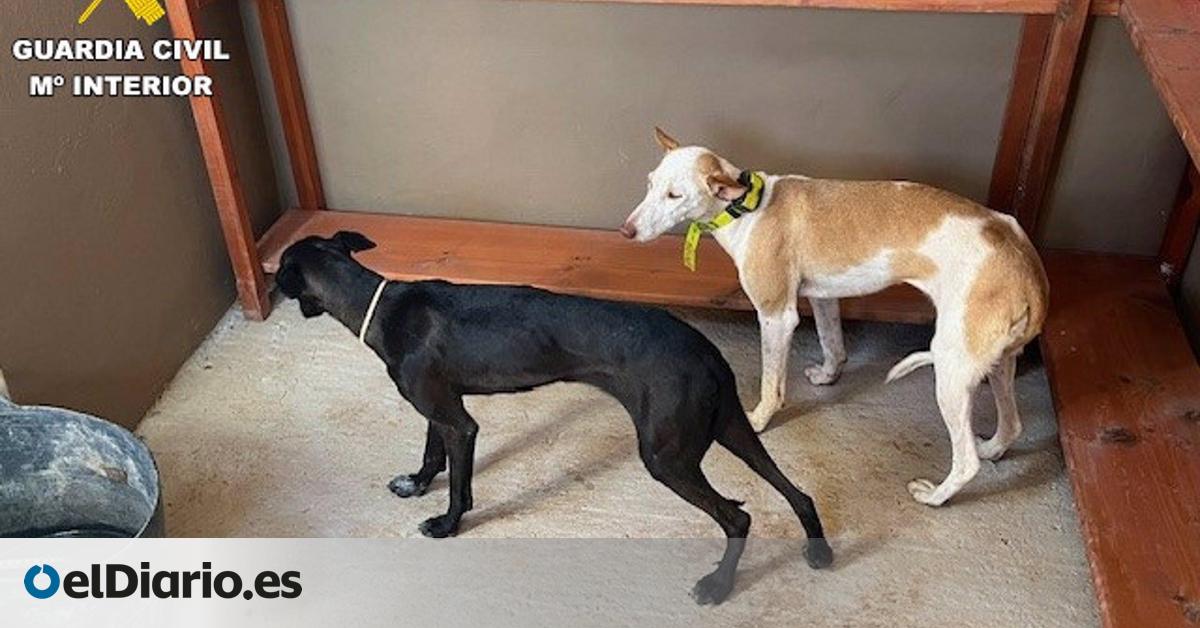
The narrative began when workers from the Cabildo, the local government authority, spotted two Podenco dogs engaged in a hunt for local game species. Their actions were not just alarming; they posed a direct threat to wildlife during an especially sensitive time of the year, when hunting is prohibited to allow for the breeding of various species. Observing this potential infringement of the law, the workers promptly alerted the authorities.
Upon receiving the call, agents from the Seprona and the local police swiftly arrived at the scene, located within the Castillo de Lara hunting reserve in the Rural Park of Betancuria. Their mission was straightforward: to capture the dogs and prevent any further transgressions against wildlife laws.
Discovering the Dogs’ Condition
Once the agents managed to secure the dogs, a closer inspection revealed critical details about their condition. Both were identified as Podenco Canario, a breed well-known for its hunting prowess. However, what raised particular concern was the discovery of an active electronic training collar on one of the dogs, indicated by the blinking green light. Such devices are often used to administer shocks or vibrations for training purposes, raising ethical questions about their usage, especially in hunting scenarios.
The presence of the collar quickly led the agents to suspect that the dogs were not on an innocent stroll but were likely being used for illegal hunting activities. The potential implication was that a poacher might have been in the vicinity, but upon noticing the approaching law enforcement, fled the area, leaving the dogs to fend for themselves.
Legal Ramifications for Negligence
Following the incident, the diligent efforts of the authorities bore fruit as they were able to identify the owner of the dogs. The subsequent actions taken were not merely punitive but served a dual purpose of showcasing the consequences of neglecting wildlife protection laws. The owner was formally reported to the Cabildo for violations against Law 7/1998, enacted on July 6, governing hunting practices in the Canary Islands.
This legal framework explicitly prohibits the release of dogs in areas classified under special hunting regimes during closed seasons. Such actions demand respect for the delicate balance of local ecosystems, particularly when wildlife populations are vulnerable due to breeding cycles.
The repercussions for the owner could include financial penalties, which serve as a stark reminder of the responsibilities that accompany pet ownership, especially regarding hunting breeds. This incident not only serves as a cautionary tale for dog owners but also emphasizes the critical role of local authorities in enforcing wildlife protection laws.
Implications for Wildlife Conservation
The incident at Castillo de Lara underscores broader themes concerning wildlife conservation and the ethical treatment of domestic animals used for hunting. Instances of hunting dogs being let loose can have cascading effects on local biodiversity, particularly during sensitive periods when animal populations are vulnerable.
Through vigilant monitoring and enforcement, authorities aim to foster a culture of respect for wildlife and the laws designed to protect it. The case raises questions about public awareness regarding hunting seasons, the responsibilities of pet owners, and the ethical considerations surrounding training methods for hunting dogs.
By engaging in discussions around these vital issues, communities can work together to ensure that their local ecosystems thrive while balancing traditional practices like hunting with modern conservation efforts.
In summary, the incident on Fuerteventura serves as a complex tapestry of issues including legal enforcement, animal welfare, and the ongoing struggle for wildlife conservation.