Understanding Social Vulnerability in Fuerteventura
In the sun-kissed island of Fuerteventura, a paradox unfolds as local assistance associations reveal that, despite a seemingly improving economic landscape, social vulnerability remains a pressing concern. Tere López, the social programs coordinator for Cruz Roja in Fuerteventura, underscores this ongoing struggle. “While job opportunities have increased,” she explains, “the kinds of employment available often fail to meet the basic needs of families when it comes to rent, utility bills, and food.” Consequently, many families find themselves still reliant on external aid.
Labor Precarity and Housing Issues
The island’s social fabric is fraying under the weight of labor instability and a dire shortage of accessible housing for low-income residents. The precarious job market leaves many families unable to afford even the most basic living expenses, pushing them back into the arms of support organizations. In response to these persistent challenges, associations across the island have mobilized to provide assistance.
Refugio Majorero: A Lifeline for Families
At street level, the Refugio Majorero association in Puerto del Rosario epitomizes the vital role these organizations play. Each month, they serve around 120 families, collaborating closely with the Food Bank to distribute essential perishables. Ana Ruth, who oversees the association, notes that daily deliveries are made thanks to donations from both individuals and supermarkets. Many families face the harsh reality of part-time jobs that do not provide sufficient income to sustain their households.
This organization also runs a clothing distribution initiative in partnership with the Puerto del Rosario City Council, helping vulnerable populations stay warm during the winter months. In a bid to foster social reintegration, Refugio Majorero works on a project with Penitentiary Institutions, allowing seven individuals to substitute their prison sentences with community service.
The figures are staggering: Refugio Majorero distributes approximately 90,000 kilograms of food worth around 173,000 euros annually, serving roughly 5,000 individuals in need, ensuring support is only a document away.
Misión Cristiana Moderna: Comprehensive Support Services
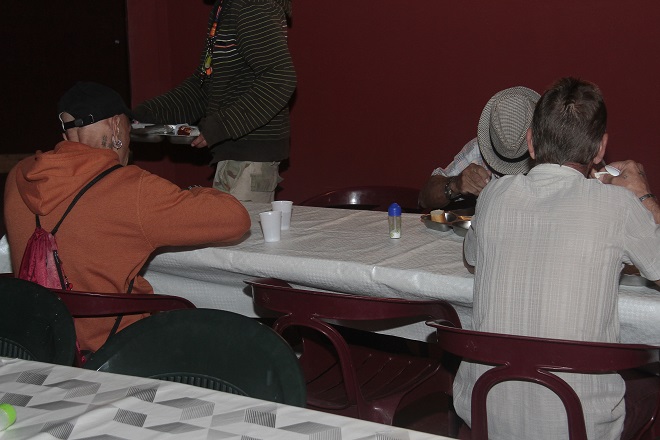
Another significant player in the fight against poverty is Misión Cristiana Moderna, which offers a wide range of services including emergency shelter, a dining hall, and a mobile hygiene unit for the homeless across the island. Located in the industrial area of Risco Prieto, they provide three meals daily for up to 30 guests.
Yaiza, a member of this organization, points out that some individuals, particularly in Corralejo and Morro Jable, have chosen a life on the streets. In contrast, those seeking refuge can stay at a men’s shelter with 12 beds and a women’s facility, allowing up to 41 residents.
The commitment of volunteers is substantial, with around 200 individuals helping to maintain operations, including organizing Christmas dinners for over 90 guests. Misión Cristiana Moderna maintains its shelter at a cost of 3,000 euros monthly, but they are fortunate to receive institutional support.
Economic Aid and Support Structures
Cruz Roja continues to address various needs faced by families at risk of social exclusion through coordinated actions with municipal social services. Their assistance program includes rent and utility bill support, delivering hygiene kits to vulnerable households, and providing food aid to 221 families this year alone. They also extend educational support, covering material and uniform costs for 79 families, and offer vouchers for groceries valued at 75 euros.
Recent initiatives have included a food collection campaign in partnership with a local radio station, emphasizing that essential items for childcare, such as diapers, can be prohibitively expensive for struggling families. Tere López travels to different areas of the island to reach approximately 600 individuals each year, catering to diverse communities, including expatriates.
Cáritas: Addressing Homelessness and Social Justice
Furthermore, Cáritas, represented by Pastor Daniel Díaz from Corralejo, highlights the pressing needs of the homeless population. They not only provide essential services like showers and guidance but also engage in analyzing the current state of homelessness. He notes the stark contrast between the present and a decade ago, urging that policy must evolve to address these contemporary challenges.
Pastor Díaz argues against relying solely on a single public shelter to resolve the homeless crisis. He emphasizes the need for comprehensive institutional responses tailored to accommodate the dispersed populations across the island. There is a consensus among local organizations that not only food but also housing solutions are urgently needed.
In summary, Fuerteventura’s social landscape lays bare an array of complex challenges where organizations like Cruz Roja, Cáritas, Refugio Majorero, and Misión Cristiana Moderna are tirelessly working to bridge the gap, delivering essential services to those in need while highlighting the critical need for systemic change to address underlying issues of labor precariousness and housing insecurity.