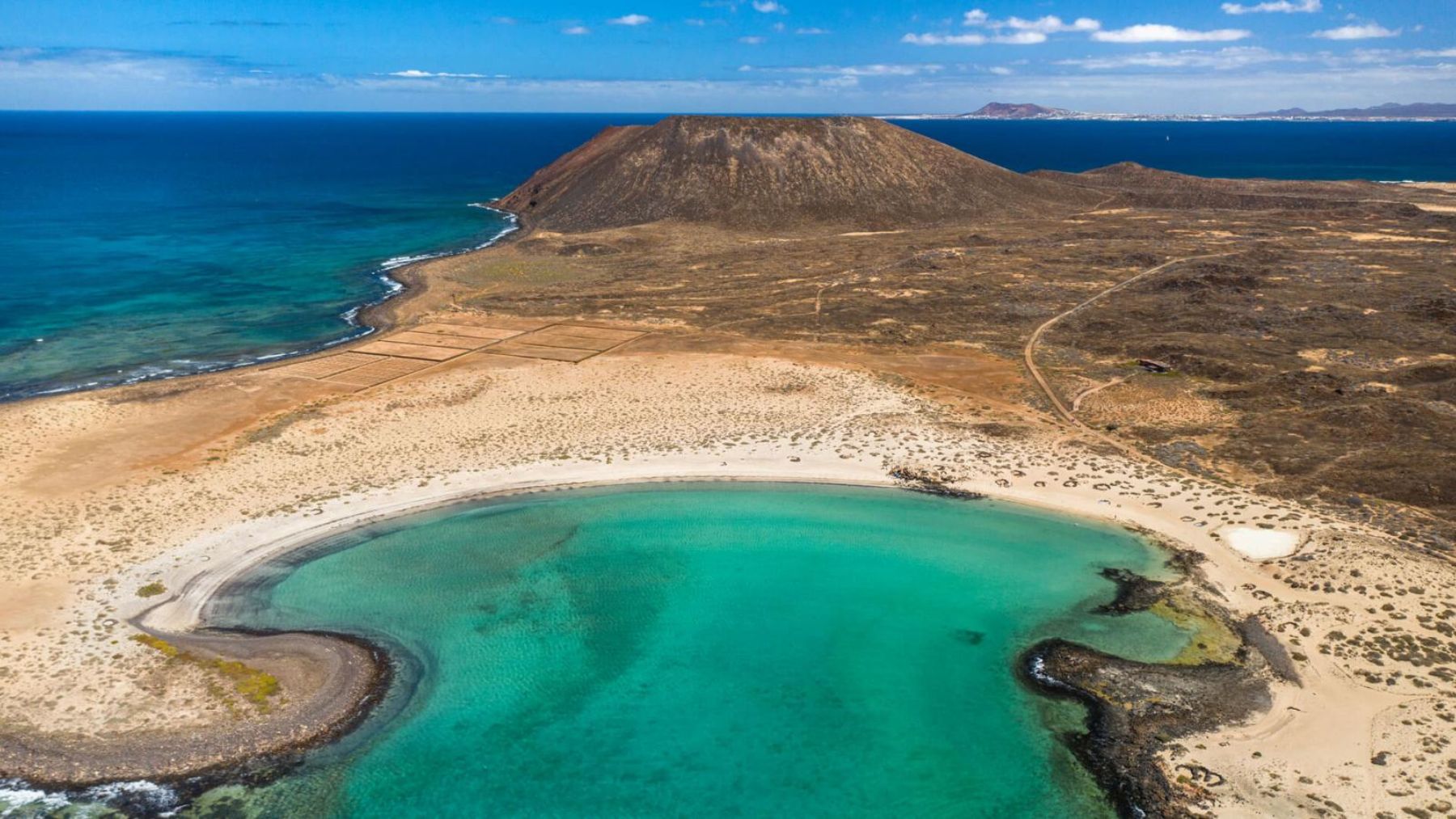
A Hidden Gem in the Canary Islands: Isla de Lobos
Nestled within the stunning landscapes of the Canary Islands, far from the well-trodden paths of Tenerife and the rising popularity of La Graciosa, lies a tiny islet known as Isla de Lobos. This little haven offers a raw, natural experience that is unique compared to its larger neighbors. With its isolation and striking beauty, Isla de Lobos stands as a sanctuary for those in search of the untainted essence of the Canaries.
The Exclusive Charm of Isla de Lobos
Isla de Lobos is a mere speck of land located just north of Fuerteventura, a short two-kilometer boat ride from Corralejo. Officially part of the municipality of La Oliva in the province of Las Palmas, this island spans an approximate 4.5 square kilometers, enveloped by nearly 14 kilometers of coastline. This compact size enhances its charm, providing an intimate experience that starkly contrasts with the busy tourist spots in the archipelago.
What truly sets Isla de Lobos apart is its incredibly small population. As of the 2021 census, only one person resides on the island. This statistic reflects a dramatic decline from previous years when a handful of inhabitants remained, all descendants of Antoñito, the island’s historic lighthouse keeper. Such a situation positions Isla de Lobos as one of the most isolated territories in Spain, raising its status as a symbol of solitude and authenticity.
A Rich Historical Tapestry and Unique Ecosystem
The island’s name, which translates to “Island of Wolves,” pays homage to the monk seals that once inhabited its shores. Once a thriving population, these remarkable creatures, now endangered, faced threats from local fishermen competing for marine resources. Today, various conservation efforts aim to protect and possibly reintroduce these seals into their original habitat, with a statue on the island serving as a poignant reminder of their former presence.
Human history on Isla de Lobos stretches back to Roman times when it served as a hub for industries focused on harvesting purple dye from sea snails. Over the centuries, the island transitioned into a refuge for pirates until the construction of the Punta Martiño Lighthouse in 1860. This lighthouse marked the beginning of a more permanent human presence on the island, transforming its landscape and story.
Exploring Isla de Lobos: A Visitor’s Guide
Recognized as a Protected Natural Space and part of the Biosphere Reserve of Fuerteventura, Isla de Lobos follows strict regulations to preserve its delicate ecosystem. Since 2019, visitors need a permit from the Cabildo of Fuerteventura, with access limited to just 200 people each day to ensure the island remains unspoiled.
Key Attractions on Isla de Lobos:
-
Circular Island Trail: A picturesque path that allows you to explore the most significant spots on the island in about two hours.
-
Caldera Volcano: Climbing to its summit rewards visitors with breathtaking views of Lanzarote and the Corralejo Dunes.
-
Punta Martiño Lighthouse: An iconic landmark tied to Antoñito, this lighthouse serves as both a historical site and a scenic viewpoint.
-
El Puertito: A charming area featuring turquoise lagoons surrounded by volcanic formations and remnants of ancient fishermen’s homes.
-
Historical Remains: Discover the archaeological treasures of lime ovens and salt flats that tell the economic story of the island.
To reach this isolated paradise, visitors can take a ferry from Corralejo, which takes about 20 minutes, or opt for a catamaran or a watertaxi that makes the trip in just 10 minutes. Isla de Lobos also boasts a small restaurant managed by Antoñito’s family, where visitors can indulge in local delicacies while soaking in the exceptional surroundings.
Visiting Isla de Lobos is not just about sightseeing; it is about diving deep into a nearly untouched habitat, where tranquility reigns and nature unfolds in its purest form. This experience provides a snapshot of the real Canary Islands, distinct from the crowded allure of the archipelago’s more famous destinations.